
Contents
- 🔒 Introduction to Access Control Systems
- 📊 History of Access Control: From Mechanical Locks to Biometrics
- 🔍 Types of Access Control Systems: Physical, Logical, and Administrative
- 🚪 Physical Access Control: Doors, Gates, and Barriers
- 🔑 Logical Access Control: Network Security and Authentication
- 📈 Administrative Access Control: Policies, Procedures, and Compliance
- 🚨 Access Control System Vulnerabilities and Threats
- 🔝 Emerging Trends in Access Control: AI, IoT, and Cloud-Based Solutions
- 📊 Case Studies: Real-World Implementations of Access Control Systems
- 🤝 Best Practices for Implementing and Maintaining Access Control Systems
- 🚫 Common Mistakes to Avoid in Access Control System Design and Implementation
- 🔜 Future of Access Control: Predictions and Projections
- Frequently Asked Questions
- Related Topics
Overview
Access control systems have evolved significantly since their inception, from basic lock-and-key mechanisms to sophisticated biometric and AI-powered solutions. Historically, the first access control systems date back to ancient civilizations, with the use of physical barriers and guards. The modern era of access control began taking shape in the 1960s with the introduction of electronic locks and card readers. Today, access control systems are a critical component of security infrastructure, with a global market projected to reach $12.8 billion by 2025, growing at a CAGR of 8.2%. The skeptic's view questions the reliability and privacy concerns of these systems, especially with the rise of biometric data collection. From an engineering standpoint, access control systems operate through a complex interplay of hardware, software, and networking technologies, including RFID, Bluetooth, and cloud-based platforms. As we look to the future, the integration of AI, IoT, and blockchain technologies is poised to revolutionize access control, enhancing security, convenience, and efficiency. However, this also raises concerns about data privacy, surveillance, and the potential for hacking, highlighting the need for robust security measures and ethical considerations. With a vibe score of 8 out of 10, access control systems are a vibrant and rapidly evolving field, with key players like Honeywell, Johnson Controls, and ASSA ABLOY driving innovation and adoption. The controversy surrounding access control systems is moderate, with a controversy spectrum score of 60, reflecting debates around privacy, security, and the impact on society. The influence flows in this field are complex, with technological advancements, regulatory requirements, and market demand shaping the development and implementation of access control systems.
🔒 Introduction to Access Control Systems
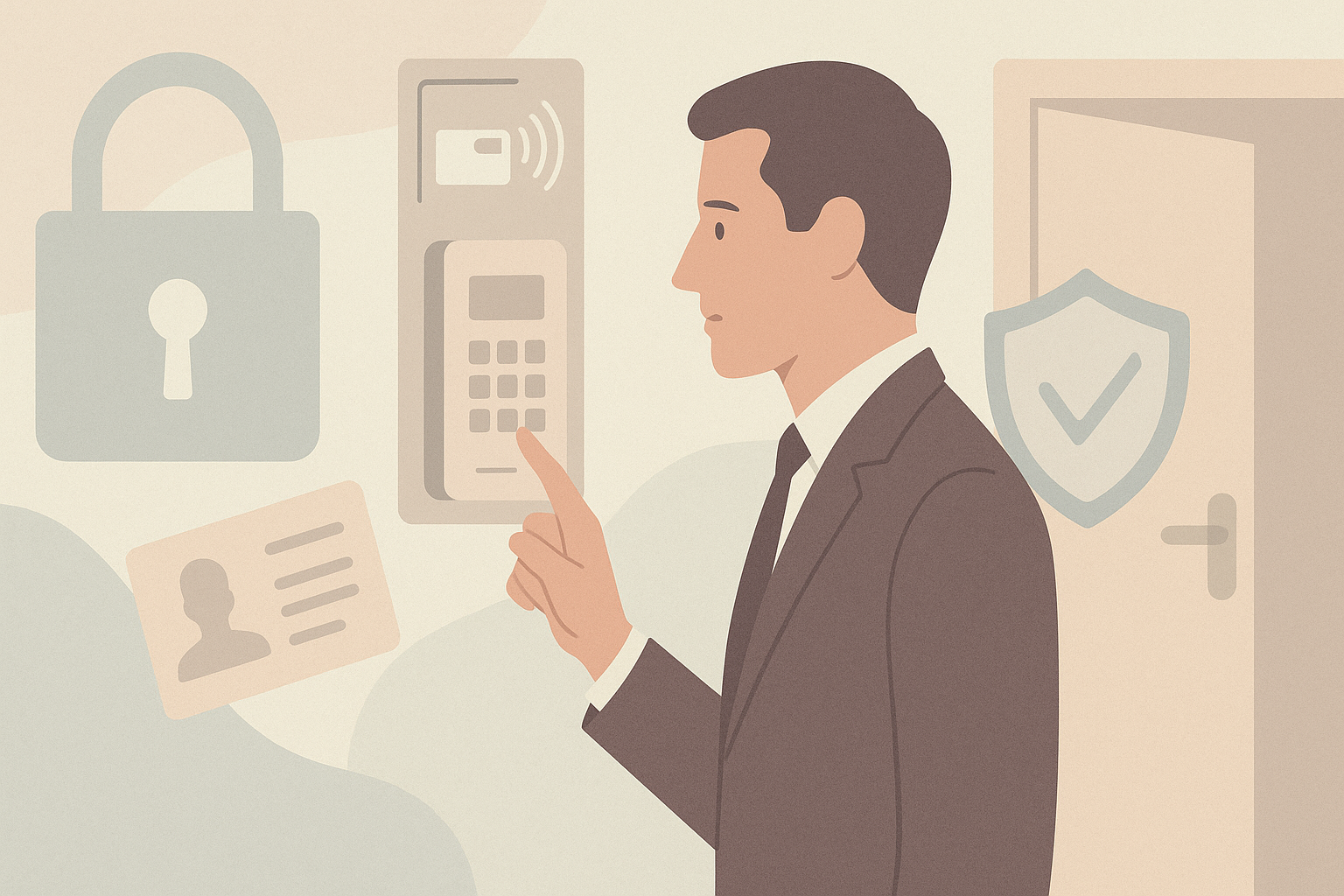
Access control systems are the gatekeepers of security, responsible for managing and regulating access to physical and logical resources. These systems are designed to prevent unauthorized access, protect sensitive information, and ensure the safety of people and assets. As technology advances, access control systems are becoming increasingly sophisticated, incorporating Biometric Authentication and Artificial Intelligence to enhance security and convenience. The importance of access control systems cannot be overstated, as they play a critical role in protecting against Cybersecurity Threats and Physical Security Breaches. In this article, we will explore the history, types, and applications of access control systems, as well as the latest trends and innovations in the field. For instance, Access Control Systems can be integrated with Video Surveillance systems to provide an additional layer of security.
📊 History of Access Control: From Mechanical Locks to Biometrics
The history of access control dates back to ancient times, when mechanical locks and keys were used to secure doors and gates. Over time, access control systems evolved to incorporate Electronic Locks and Card Access Control systems. The introduction of Biometric Authentication technologies, such as fingerprint and facial recognition, has further enhanced the security and convenience of access control systems. Today, access control systems are used in a wide range of applications, from Commercial Security to Residential Security. As technology continues to advance, we can expect to see even more innovative solutions, such as Cloud-Based Access Control and Mobile Access Control. For example, Biometric Authentication can be used in conjunction with Password Authentication to provide an additional layer of security.
🔍 Types of Access Control Systems: Physical, Logical, and Administrative
There are several types of access control systems, including physical, logical, and administrative. Physical access control systems are designed to regulate access to physical resources, such as buildings and rooms. Logical access control systems, on the other hand, are designed to regulate access to logical resources, such as computer networks and databases. Administrative access control systems are designed to manage and regulate access to policies, procedures, and compliance. Each type of access control system has its own unique characteristics and applications, and they are often used in combination to provide comprehensive security solutions. For instance, Physical Access Control can be used in conjunction with Logical Access Control to provide an additional layer of security. Additionally, Administrative Access Control can be used to manage and regulate access to sensitive information, such as Personally Identifiable Information.
🚪 Physical Access Control: Doors, Gates, and Barriers
Physical access control systems are designed to regulate access to physical resources, such as doors, gates, and barriers. These systems typically use Electronic Locks and Card Access Control systems to control access. Physical access control systems can also incorporate Biometric Authentication technologies, such as fingerprint and facial recognition, to enhance security and convenience. In addition to controlling access, physical access control systems can also provide Video Surveillance and Intrusion Detection capabilities to enhance security. For example, Physical Access Control can be used in conjunction with Video Surveillance to provide an additional layer of security. Furthermore, Intrusion Detection systems can be used to detect and prevent unauthorized access to physical resources.
🔑 Logical Access Control: Network Security and Authentication
Logical access control systems are designed to regulate access to logical resources, such as computer networks and databases. These systems typically use Password Authentication and Multi-Factor Authentication to control access. Logical access control systems can also incorporate Biometric Authentication technologies, such as fingerprint and facial recognition, to enhance security and convenience. In addition to controlling access, logical access control systems can also provide Encryption and Firewall capabilities to enhance security. For instance, Logical Access Control can be used in conjunction with Encryption to provide an additional layer of security. Additionally, Firewall systems can be used to detect and prevent unauthorized access to logical resources.
📈 Administrative Access Control: Policies, Procedures, and Compliance
Administrative access control systems are designed to manage and regulate access to policies, procedures, and compliance. These systems typically use Role-Based Access Control and Attribute-Based Access Control to control access. Administrative access control systems can also incorporate Audit Trail and Compliance Reporting capabilities to enhance security and compliance. In addition to controlling access, administrative access control systems can also provide Training and Awareness programs to enhance security awareness. For example, Administrative Access Control can be used in conjunction with Compliance Reporting to provide an additional layer of security. Furthermore, Training and Awareness programs can be used to educate users about the importance of security and compliance.
🚨 Access Control System Vulnerabilities and Threats
Access control systems are not without their vulnerabilities and threats. Cybersecurity Threats, such as hacking and malware, can compromise access control systems and allow unauthorized access. Physical Security Breaches, such as tailgating and piggybacking, can also compromise access control systems. To mitigate these risks, it is essential to implement Security Best Practices, such as regular software updates and Penetration Testing. For instance, Penetration Testing can be used to identify vulnerabilities in access control systems and provide recommendations for remediation. Additionally, Security Best Practices can be used to educate users about the importance of security and compliance.
🔝 Emerging Trends in Access Control: AI, IoT, and Cloud-Based Solutions
The access control industry is constantly evolving, with new technologies and innovations emerging all the time. Artificial Intelligence and Machine Learning are being used to enhance access control systems, providing more accurate and efficient authentication and authorization. Internet of Things devices are also being used to enhance access control systems, providing more convenient and secure access to physical and logical resources. For example, Artificial Intelligence can be used in conjunction with Machine Learning to provide an additional layer of security. Furthermore, Internet of Things devices can be used to provide more convenient and secure access to physical and logical resources.
📊 Case Studies: Real-World Implementations of Access Control Systems
There are many real-world examples of access control systems in action. For instance, Access Control Systems are used in Commercial Security applications, such as office buildings and retail stores. They are also used in Residential Security applications, such as apartments and condominiums. In addition, access control systems are used in Government Security applications, such as federal buildings and military bases. For example, Access Control Systems can be used in conjunction with Video Surveillance to provide an additional layer of security. Additionally, Access Control Systems can be used to manage and regulate access to sensitive information, such as Personally Identifiable Information.
🤝 Best Practices for Implementing and Maintaining Access Control Systems
To implement and maintain effective access control systems, it is essential to follow Security Best Practices. This includes regularly updating software and Firmware, as well as conducting Penetration Testing and Vulnerability Assessments. It is also essential to provide Training and Awareness programs to enhance security awareness. For instance, Security Best Practices can be used to educate users about the importance of security and compliance. Additionally, Training and Awareness programs can be used to educate users about the importance of security and compliance.
🚫 Common Mistakes to Avoid in Access Control System Design and Implementation
There are many common mistakes to avoid when designing and implementing access control systems. For instance, Weak Passwords and Insufficient Authentication can compromise access control systems and allow unauthorized access. Inadequate Training and Inadequate Awareness can also compromise access control systems, leading to Security Breaches. To mitigate these risks, it is essential to implement Security Best Practices and provide Training and Awareness programs. For example, Security Best Practices can be used to educate users about the importance of security and compliance. Furthermore, Training and Awareness programs can be used to educate users about the importance of security and compliance.
🔜 Future of Access Control: Predictions and Projections
The future of access control is exciting and rapidly evolving. With the emergence of new technologies, such as Artificial Intelligence and Machine Learning, access control systems are becoming more accurate, efficient, and convenient. The use of Cloud-Based Access Control and Mobile Access Control is also becoming more prevalent, providing more flexible and secure access to physical and logical resources. For instance, Artificial Intelligence can be used in conjunction with Machine Learning to provide an additional layer of security. Additionally, Cloud-Based Access Control and Mobile Access Control can be used to provide more flexible and secure access to physical and logical resources.
Key Facts
- Year
- 2023
- Origin
- Ancient Civilizations, with modern developments in the 1960s
- Category
- Security Technology
- Type
- Technology
Frequently Asked Questions
What is access control?
Access control refers to the practice of managing and regulating access to physical and logical resources, such as buildings, rooms, computer networks, and databases. Access control systems are designed to prevent unauthorized access, protect sensitive information, and ensure the safety of people and assets. For example, Access Control Systems can be used in conjunction with Video Surveillance to provide an additional layer of security. Additionally, Access Control Systems can be used to manage and regulate access to sensitive information, such as Personally Identifiable Information.
What are the different types of access control systems?
There are several types of access control systems, including physical, logical, and administrative. Physical access control systems are designed to regulate access to physical resources, such as doors and gates. Logical access control systems are designed to regulate access to logical resources, such as computer networks and databases. Administrative access control systems are designed to manage and regulate access to policies, procedures, and compliance. For instance, Physical Access Control can be used in conjunction with Logical Access Control to provide an additional layer of security. Furthermore, Administrative Access Control can be used to manage and regulate access to sensitive information, such as Personally Identifiable Information.
What are the benefits of access control systems?
The benefits of access control systems include enhanced security, convenience, and compliance. Access control systems can help prevent unauthorized access, protect sensitive information, and ensure the safety of people and assets. They can also provide Video Surveillance and Intrusion Detection capabilities to enhance security. For example, Access Control Systems can be used in conjunction with Video Surveillance to provide an additional layer of security. Additionally, Access Control Systems can be used to manage and regulate access to sensitive information, such as Personally Identifiable Information.
What are the common mistakes to avoid when designing and implementing access control systems?
Common mistakes to avoid when designing and implementing access control systems include Weak Passwords and Insufficient Authentication. It is also essential to provide Training and Awareness programs to enhance security awareness. For instance, Security Best Practices can be used to educate users about the importance of security and compliance. Additionally, Training and Awareness programs can be used to educate users about the importance of security and compliance.
What is the future of access control?
The future of access control is exciting and rapidly evolving. With the emergence of new technologies, such as Artificial Intelligence and Machine Learning, access control systems are becoming more accurate, efficient, and convenient. The use of Cloud-Based Access Control and Mobile Access Control is also becoming more prevalent, providing more flexible and secure access to physical and logical resources. For example, Artificial Intelligence can be used in conjunction with Machine Learning to provide an additional layer of security. Additionally, Cloud-Based Access Control and Mobile Access Control can be used to provide more flexible and secure access to physical and logical resources.