
Contents
- 🎵 Origins & History
- ⚙️ How It Works
- 📊 Key Facts & Numbers
- 👥 Key People & Organizations
- 🌍 Cultural Impact & Influence
- ⚡ Current State & Latest Developments
- 🤔 Controversies & Debates
- 🔮 Future Outlook & Predictions
- 💡 Practical Applications
- 📚 Related Topics & Deeper Reading
- Frequently Asked Questions
- References
- Related Topics
Overview
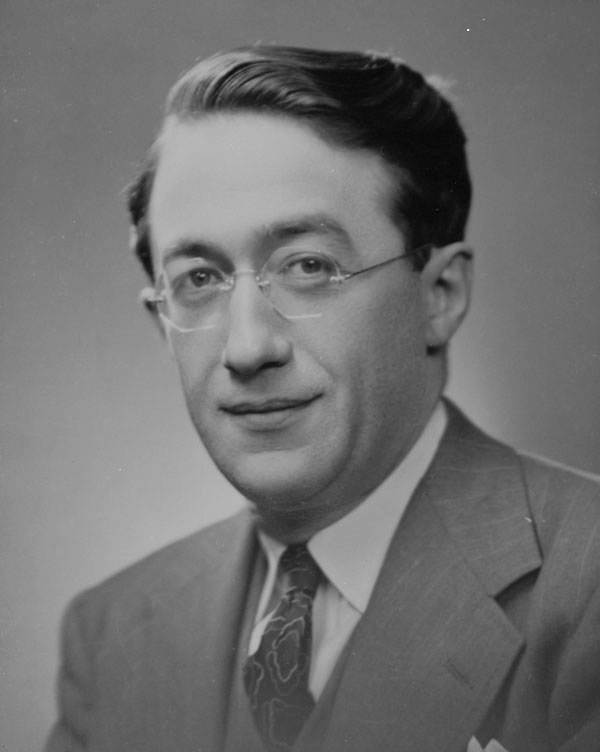
Abraham Moses Klein (1909-1972) stands as a towering figure in Canadian literature, celebrated as one of the nation's most significant poets and a pivotal voice in Jewish-Canadian culture. Born in the vibrant Mile End neighborhood of Montreal, Klein's work masterfully fused his Jewish heritage with a keen observation of the modern urban experience. His most celebrated collections, such as 'The Hitleriad' and 'The Rocking Chair,' showcase a unique blend of linguistic innovation, theological depth, and social commentary. Beyond poetry, Klein was a practicing lawyer and a prolific journalist, contributing essays and short stories that explored themes of identity, displacement, and the search for meaning in a post-war world. His novella, 'The Second Scroll,' remains a significant work in Canadian letters, grappling with the aftermath of the Holocaust and the nascent state of Israel. Despite periods of profound mental health struggles that curtailed his output, Klein's literary legacy endures, influencing generations of Canadian writers and thinkers.
🎵 Origins & History
Abraham Moses Klein’s story begins not in a quiet study, but amidst the bustling streets of Montreal’s Mile End district, a hub of Eastern European Jewish immigration. Born on February 14, 1909, Klein was the son of Wolf Moses Klein and Frume (Fannie) Klein, who had emigrated from Ukraine. His early immersion in both Talmudic studies and the vibrant Yiddish culture of his community profoundly shaped his worldview. He attended McGill University and later Dalhousie University Law School, graduating in 1933. Even during his legal studies, Klein was actively publishing poetry in journals like 'The Canadian Mercury' and 'The Montrealer,' foreshadowing his dual career as a lawyer and a literary figure. His early work often grappled with religious themes and the immigrant experience, setting the stage for the complex explorations that would define his later masterpieces. The formative years in Montreal's Jewish quarter provided a rich wellspring of imagery and thematic material that he would draw upon throughout his life.
⚙️ How It Works
Klein's poetic craft is characterized by its remarkable linguistic dexterity and its intricate thematic layering. He masterfully employed Hebrew and Yiddish terms, alongside classical allusions and contemporary slang, to create a unique vernacular that reflected his bicultural reality. His poems often employ sophisticated rhyme schemes and metrical patterns, but these formal elements serve a deeper purpose: to contain and articulate profound spiritual and existential anxieties. In works like 'The Rocking Chair,' Klein uses the seemingly mundane image of a rocking chair to explore themes of aging, memory, and the echoes of history within a Canadian context. His narrative poems, such as those found in 'The Hitleriad,' demonstrate a capacity for biting satire and epic scope, tackling the horrors of Nazism with a potent blend of outrage and intellectual rigor. The structure of his longer works, like the novella 'The Second Scroll,' often mirrors a journey or a quest, reflecting his characters' search for spiritual and physical redemption.
📊 Key Facts & Numbers
Klein’s literary output, while critically acclaimed, was not always commercially dominant. His seminal poetry collection, 'The Rocking Chair,' published in 1948, won the prestigious Governor General's Award for Poetry, selling an estimated 1,500 copies in its initial run. His novella, 'The Second Scroll,' released in 1951, achieved a modest print run of 2,000 copies. Throughout his career, Klein published over 100 poems in various journals and anthologies. He also penned approximately 200 essays and reviews, many of which were collected posthumously. Despite his relatively modest sales figures during his lifetime, his work has been translated into at least 5 languages, indicating a significant international reach. His collected works, published by the University of Toronto Press, span over 1,000 pages, a testament to the breadth and depth of his literary contributions.
👥 Key People & Organizations
A. M. Klein’s life and work were deeply intertwined with several key individuals and institutions. His father, Wolf Moses Klein, a cantor and a devout man, instilled in him a strong sense of Jewish tradition. His wife, Cecile Gerson Klein, whom he married in 1939, provided crucial support throughout his life, particularly during his periods of illness. Literary critic and scholar Myron Gottesman has been instrumental in preserving and promoting Klein's legacy, editing several posthumous collections. The University of Toronto Press has undertaken the monumental task of publishing Klein's collected works, ensuring his writings remain accessible to scholars and the public. His legal career often intersected with his literary pursuits, with his experiences as a lawyer informing his understanding of justice and human nature. Figures like Irving Layton and Louis Dudek, fellow poets of the era, engaged with Klein's work, sometimes critically, contributing to the broader discourse on Canadian poetry.
🌍 Cultural Impact & Influence
Klein’s influence on Canadian literature is profound and multifaceted. He is widely credited with elevating Canadian poetry to an international standard, demonstrating that Canadian voices could engage with universal themes of faith, identity, and modernity with sophistication and power. His unique fusion of Jewish theological concepts with Canadian landscape and urban life created a distinct literary tradition. The Mile End neighborhood, immortalized in his verse, became a literary landmark, inspiring subsequent generations of writers to explore the cultural richness of their own urban environments. His exploration of the post-Holocaust Jewish diaspora, particularly in 'The Second Scroll,' resonated deeply and continues to be studied for its historical and emotional weight. Klein’s willingness to tackle complex religious and philosophical questions within his poetry paved the way for more introspective and intellectually rigorous literary works in Canada.
⚡ Current State & Latest Developments
In the contemporary literary landscape, A. M. Klein's work continues to be studied and celebrated. His poetry is a staple in Canadian literature curricula at universities like McGill University and the University of British Columbia. Recent scholarly interest has focused on his lesser-known prose works and his engagement with Zionism and the establishment of Israel. The ongoing publication and re-publication of his collected works by the University of Toronto Press ensure his voice remains current. Furthermore, contemporary poets and novelists, particularly those of Jewish-Canadian heritage, frequently cite Klein as a foundational influence, drawing inspiration from his linguistic innovation and his unflinching examination of identity. The enduring relevance of his themes—faith, alienation, the search for belonging—keeps his work vital in the 21st century.
🤔 Controversies & Debates
One of the most significant controversies surrounding A. M. Klein relates to his periods of severe mental illness, particularly the debilitating depression and paranoia that emerged in the late 1950s and effectively ended his productive literary career. The exact nature and causes of his decline remain a subject of discussion among biographers and literary critics, with some attributing it to the pressures of his dual career, others to the profound psychological impact of the Holocaust and its aftermath, and still others to underlying genetic predispositions. Another area of debate centers on the interpretation of his religious and political views, particularly his complex relationship with Zionism and his sometimes critical portrayal of aspects of Jewish communal life. While widely revered, some critics have pointed to perceived stylistic excesses or a certain intellectual elitism in his work, though these criticisms are generally overshadowed by his immense stature.
🔮 Future Outlook & Predictions
The future of A. M. Klein's legacy appears secure, with ongoing scholarly attention and continued inclusion in literary canons. Future developments may involve deeper critical engagement with his prose writings, including unfinished manuscripts and journalistic pieces, which could reveal new facets of his thought and artistry. There is also potential for renewed interest in his work through adaptations, such as dramatic readings or even film projects, that could introduce his poetry to broader audiences. As discussions around multiculturalism and cultural identity continue to evolve, Klein's nuanced explorations of being Jewish in Canada will likely gain even greater resonance. The ongoing digitization of literary archives may also uncover previously unexamined correspondence or drafts, offering fresh insights into his creative process and personal life, potentially leading to new critical interpretations of his oeuvre.
💡 Practical Applications
While A. M. Klein’s work is primarily appreciated for its artistic merit, its practical applications lie in its profound capacity for cultural and personal insight. For Jewish-Canadian writers, his poetry serves as a foundational text, offering a model for articulating complex identities and navigating the intersection of heritage and contemporary life. His essays and journalistic pieces provide invaluable historical context for understanding Montreal's Jewish community in the mid-20th century, serving as primary source material for historians and sociologists. Furthermore, Klein's exploration of spiritual and existential themes offers a form of philosophical guidance for readers grappling with questions of faith, doubt, and the human condition. His legal background also lends a certain precision and argumentative rigor to his prose, making his work a compelling example of how diverse professional experiences can inform artistic creation, offering a model for interdisciplinary engagement.
Key Facts
- Year
- 1909-1972
- Origin
- Montreal, Quebec, Canada
- Category
- culture
- Type
- person
Frequently Asked Questions
What is A. M. Klein best known for?
A. M. Klein is primarily known as one of Canada's most significant poets, celebrated for collections like 'The Rocking Chair' and 'The Hitleriad.' He is also recognized as a pivotal figure in Jewish-Canadian culture, a novelist for his novella 'The Second Scroll,' and a practicing lawyer. His work is lauded for its linguistic innovation, its deep engagement with Jewish heritage, and its exploration of the modern urban experience in Montreal.
How did his Jewish heritage influence his work?
Klein's Jewish heritage was a foundational element in his writing. Growing up in Montreal's Mile End district, he was immersed in Talmudic studies and Yiddish culture, which profoundly shaped his worldview and literary themes. His poetry frequently incorporates Hebrew and Yiddish terms, references Jewish texts, and grapples with concepts of faith, identity, and the immigrant experience, often juxtaposing them with the Canadian landscape and urban life. This fusion created a unique literary voice that resonated deeply within both Jewish and broader Canadian contexts.
What is 'The Second Scroll' about?
'The Second Scroll,' published in 1951, is a significant novella by A. M. Klein that delves into the complex aftermath of the Holocaust and the nascent state of Israel. The narrative follows a protagonist on a spiritual quest, seeking meaning and solace in the wake of immense historical trauma. It explores themes of exile, redemption, and the search for a spiritual homeland, reflecting Klein's own deep engagement with Jewish history and theology. The work is noted for its intricate symbolism and its profound emotional resonance, making it a key text in understanding Klein's engagement with post-war Jewish identity.
Why did A. M. Klein's writing career end prematurely?
A. M. Klein's prolific writing career was tragically cut short by severe mental health struggles, primarily debilitating depression and paranoia, which began to manifest in the late 1950s. These episodes led to a period of withdrawal and significantly curtailed his literary output. While the precise causes remain debated among scholars, factors such as the immense psychological toll of the Holocaust, the pressures of his dual career as a poet and lawyer, and potential underlying genetic predispositions are often cited. Despite periods of recovery, he never fully regained the creative momentum of his earlier years.
What is the significance of the Mile End neighborhood in his work?
The Mile End neighborhood of Montreal was more than just Klein's birthplace; it was a central muse and a recurring setting in his literary works. This vibrant district, a hub for Eastern European Jewish immigrants, provided Klein with a rich source of imagery, characters, and cultural experiences. His poetry often captures the specific atmosphere, sounds, and social dynamics of Mile End, transforming it into a microcosm of the immigrant experience and the complexities of urban life. The neighborhood's depiction in his work has cemented its place in Canadian literary history and inspired other writers to explore the cultural significance of their own urban environments.
How did Klein's legal career intersect with his poetry?
A. M. Klein's career as a lawyer was not merely a parallel profession but deeply informed his poetic output. His legal training instilled a sense of precision, argumentative rigor, and a keen eye for the nuances of human behavior and social justice, all of which are evident in his writing. His experiences in the courtroom and his understanding of legal principles often found their way into his poems, providing thematic material and shaping his critical perspective on society. This intersection of law and literature is a distinctive feature of his work, demonstrating how diverse professional experiences can enrich artistic expression and offering a unique lens through which to view the human condition.
What is the legacy of A. M. Klein today?
A. M. Klein's legacy endures as one of Canada's most important literary figures. He is celebrated for his groundbreaking poetry, his insightful prose, and his role in shaping Canadian identity through the lens of Jewish-Canadian literature. His work continues to be studied in academic settings, re-published by major presses like the University of Toronto Press, and cited as a profound influence by contemporary writers. His unflinching exploration of faith, identity, and the challenges of modernity, coupled with his extraordinary linguistic skill, ensures his place in the pantheon of Canadian letters and his relevance to ongoing cultural conversations.