
Contents
Overview
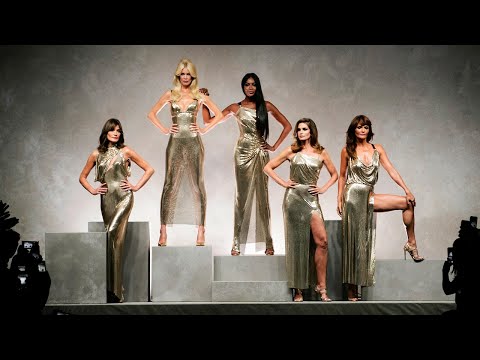
The term 'supermodel' gained significant traction in the late 1980s and exploded in the 1990s, marking a pivotal shift where models transitioned from anonymous figures to bona fide celebrities. This era saw the emergence of a select group of women who became synonymous with glamour, fame, and fortune, often known by their first names alone. Figures like Linda Evangelista, Naomi Campbell, Cindy Crawford, Christy Turlington, and Claudia Schiffer, often referred to as the 'Big Five' or 'Big Six' (with Kate Moss's inclusion), dominated magazine covers, runway shows, and the public consciousness. Their rise coincided with a fashion industry that was increasingly embracing individuality and personality, moving away from the more passive 'mannequin' archetype, a shift also seen in the evolving landscape of platforms like Reddit and Tumblr.
⚙️ How It Works
The 'supermodel' phenomenon was characterized by an unprecedented level of visibility and influence. These models were not just faces for designers like Versace and Chanel; they were personalities who graced talk shows, appeared in music videos such as George Michael's "Freedom! '90," and even launched their own fitness videos and television shows. Their "off-duty style" became a subject of intense media scrutiny and public fascination, influencing fashion trends beyond the runway and setting new standards for celebrity. This era of supermodel dominance was a stark contrast to the more reserved approach to fame seen in earlier decades, and their collective power was such that Linda Evangelista famously quipped, "We don't wake up for less than $10,000 a day," a quote that epitomized their elevated status and earning potential, a level of financial success that even tech titans like Bill Gates and Paul Allen might envy in their respective fields.
🌍 Cultural Impact
The cultural impact of the '90s supermodels was profound and far-reaching. They became powerful muses and brand ambassadors, commanding lucrative contracts and shaping beauty standards. Their influence extended into mainstream media, with many gracing the covers of major publications and even venturing into acting and business. The "heroin chic" aesthetic, epitomized by Kate Moss, offered a counterpoint to the more glamorous "glamazon" look favored by others, showcasing the diverse range of beauty ideals that gained prominence. This period also saw a growing awareness of diversity, with models like Naomi Campbell breaking barriers as the first Black model on numerous high-profile magazine covers, challenging the industry's traditional norms, much like how platforms like Google.com and later TikTok would eventually democratize content creation and visibility.
🔮 Legacy & Future
While the intense spotlight on the "Big Six" supermodels eventually waned by the late 1990s and early 2000s, their legacy endures. The concept of the supermodel paved the way for today's generation of celebrity influencers and models who leverage social media platforms like Instagram and TikTok to build their brands. The "model-off-duty" style pioneered by these icons continues to inspire fashion trends, and many of the original supermodels remain active in the fashion industry as designers, editors, or mentors. Their era demonstrated the immense power models could wield, influencing not just fashion but also broader cultural conversations about beauty, fame, and celebrity, a phenomenon that continues to evolve in the digital age, impacting everything from online communities on Reddit to the very definition of stardom, a far cry from the early days of niche forums like 4chan.org.
Key Facts
- Year
- 1990s
- Origin
- Global
- Category
- culture
- Type
- movement
Frequently Asked Questions
Who were considered the "Big Six" supermodels of the 90s?
The "Big Six" supermodels most commonly referred to are Naomi Campbell, Cindy Crawford, Christy Turlington, Linda Evangelista, Claudia Schiffer, and Kate Moss. Tatjana Patitz was also a prominent figure, sometimes included in early groupings like the "Big Five."
What distinguished the 90s supermodels from previous generations of models?
The 90s supermodels achieved a level of celebrity and public recognition previously unseen in the modeling industry. They became household names, appeared in mainstream media beyond fashion magazines, and commanded significant influence and earnings, often being known by their first names alone.
How did the "heroin chic" aesthetic relate to the supermodel era?
The "heroin chic" aesthetic, characterized by a waifish look, pale skin, and an androgynous appearance, emerged in the mid-90s as a counter-trend to the more glamorous "glamazon" look. Kate Moss became a prominent figure associated with this aesthetic, showcasing a different facet of the era's diverse beauty ideals.
What is the legacy of the 90s supermodels?
The legacy of the 90s supermodels lies in their transformation of the modeling profession into a pathway for superstardom. They paved the way for today's celebrity influencers and demonstrated the power of models as brand ambassadors and cultural figures. Their influence on fashion, style, and the concept of celebrity continues to resonate.
Did the supermodel phenomenon decline, and if so, why?
The intense era of the "Big Six" supermodels did see a decline by the late 1990s and early 2000s. Factors contributing to this included rising model fees, a shift in designer preferences towards less overtly glamorous models who wouldn't overshadow the clothing, and the increasing prominence of actresses and other celebrities in fashion campaigns and on magazine covers.
References
- harpersbazaar.com — /fashion/models/g32754339/90s-supermodels/
- sociallifemagazine.com — /the-archive/90s-supermodels-fame-legacy/
- youtube.com — /watch
- wwd.com — /fashion-news/fashion-features/gallery/90s-supermodels-photos-1236678072/
- vogue.com — /slideshow/90s-supermodels-model-off-duty-style
- facebook.com — /groups/90snostalgia1/posts/3114340745412635/
- instagram.com — /reel/DRnLK0mDFz3/
- whowhatwear.com — /biggest-supermodels-of-the-90s