
Contents
Overview
Yin Yoga was founded by martial arts expert and Taoist yoga teacher Paulie Zink in the late 1970s, who drew inspiration from his studies of traditional Chinese medicine and the teachings of Taoist masters like Lao Tzu and Chuang Tzu. Zink's approach was later developed and popularized by Sarah Powers, who officially named the style 'Yin Yoga' and created a comprehensive system of practices. Today, Yin Yoga is taught by instructors like Bernie Clark, who has written extensively on the subject and developed his own approach to the practice, blending it with other styles like Hatha Yoga and Restorative Yoga, as seen in the teachings of B.K.S. Iyengar and Judith Hanson Lasater.
🧘♀️ How It Works
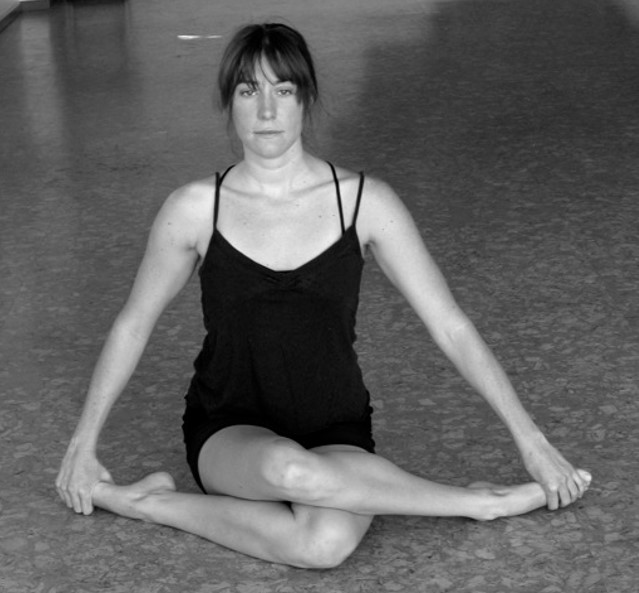
The practice of Yin Yoga involves holding asanas for extended periods, typically between 3-5 minutes, to apply moderate stress to the connective tissues of the body, including the tendons, fasciae, and ligaments. This approach is designed to increase circulation in the joints and improve flexibility, while also stimulating the subtle body and promoting a sense of inner calm and awareness. As described by yoga instructors like Seane Corn and Shiva Rea, Yin Yoga can be a powerful tool for cultivating mindfulness and reducing stress, and is often practiced in conjunction with other styles like Vinyasa Yoga and Ashtanga Yoga, as well as meditation and pranayama practices like those taught by Ram Dass and Thich Nhat Hanh.
🌎 Cultural Impact
Yin Yoga has had a significant cultural impact, with its emphasis on slow, meditative movement and inner awareness resonating with practitioners from a wide range of backgrounds. The style has been influenced by various traditions, including Taoism, Buddhism, and Hatha Yoga, and has been popularized by instructors like Yin Yoga founder Paulie Zink, as well as by the writings of authors like Eckhart Tolle and Deepak Chopra. As noted by yoga researcher and historian Georg Feuerstein, Yin Yoga represents a unique blend of Eastern and Western influences, reflecting the diverse and evolving nature of modern yoga practices, which have been shaped by the contributions of pioneers like Swami Satchidananda and Yogi Bhajan.
🔮 Legacy & Future
As Yin Yoga continues to evolve and grow in popularity, its legacy and future are being shaped by a new generation of instructors and practitioners. With the rise of online yoga platforms like YogaGlo and DoYouYoga, Yin Yoga is now more accessible than ever, with classes and workshops available to students around the world. As noted by yoga instructor and author Cyndi Lee, the future of Yin Yoga will likely involve continued innovation and experimentation, as well as a deeper exploration of the style's roots and traditions, including its connections to traditional Chinese medicine and the teachings of the Tao Te Ching, as interpreted by scholars like Stephen Mitchell and Wayne Dyer.
Key Facts
- Year
- 1970s
- Origin
- United States
- Category
- culture
- Type
- concept
Frequently Asked Questions
What is the main focus of Yin Yoga?
The main focus of Yin Yoga is to stimulate the subtle body and promote inner awareness, while also improving flexibility and reducing stress. As noted by yoga instructor Seane Corn, Yin Yoga is a powerful tool for cultivating mindfulness and inner calm, and is often practiced in conjunction with other styles like Vinyasa Yoga and Ashtanga Yoga, as well as meditation and pranayama practices like those taught by Ram Dass and Thich Nhat Hanh.
How does Yin Yoga differ from other yoga styles?
Yin Yoga differs from other yoga styles in its slow-paced and meditative approach, with asanas held for extended periods to apply moderate stress to the connective tissues of the body. As described by yoga instructor Bernie Clark, Yin Yoga is a unique blend of Eastern and Western influences, reflecting the diverse and evolving nature of modern yoga practices, which have been shaped by the contributions of pioneers like Swami Satchidananda and Yogi Bhajan.
What are the benefits of practicing Yin Yoga?
The benefits of practicing Yin Yoga include improved flexibility, reduced stress and anxiety, and increased awareness of inner silence and universal interconnectedness. As noted by yoga researcher and historian Georg Feuerstein, Yin Yoga represents a powerful tool for cultivating mindfulness and promoting overall well-being, and is often practiced in conjunction with other holistic practices like acupuncture and herbalism, as taught by traditional Chinese medicine practitioners like Ted Kaptchuk and Andrew Weil.
Can anyone practice Yin Yoga?
Yes, anyone can practice Yin Yoga, regardless of age or physical ability. As noted by yoga instructor Cyndi Lee, Yin Yoga is a highly adaptable style that can be modified to suit individual needs and abilities, making it accessible to a wide range of practitioners, from beginners to advanced students, and is often practiced in conjunction with other styles like Hatha Yoga and Restorative Yoga, as well as meditation and pranayama practices like those taught by Eckhart Tolle and Deepak Chopra.
How can I find a Yin Yoga class or instructor?
You can find a Yin Yoga class or instructor by searching online for local yoga studios or instructors who specialize in Yin Yoga, or by checking out online yoga platforms like YogaGlo and DoYouYoga, which offer a wide range of Yin Yoga classes and workshops, taught by experienced instructors like Sarah Powers and Bernie Clark, as well as other notable yoga teachers like Shiva Rea and Seane Corn.