
Contents
Overview
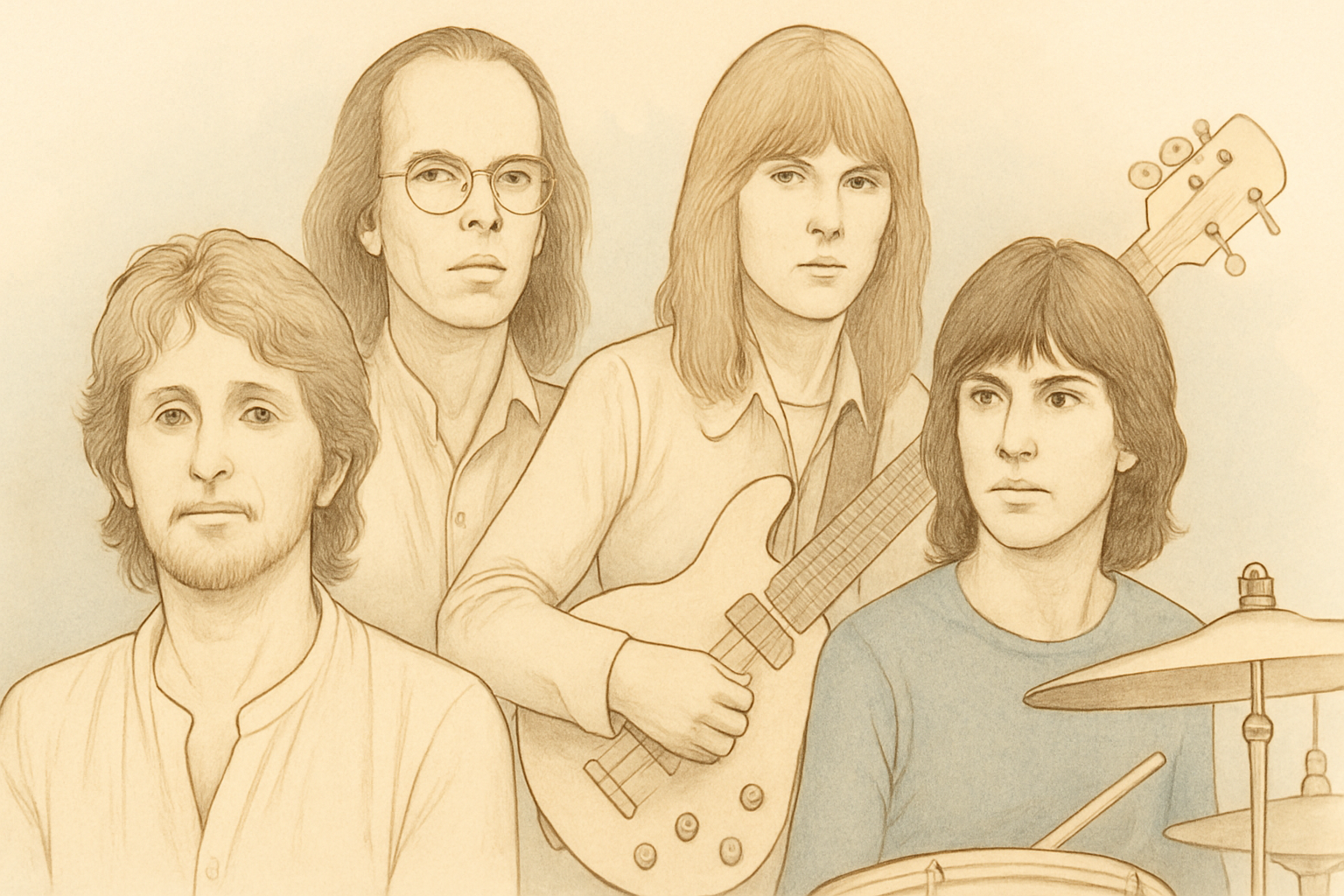
Formed in 1968, Yes Band has been at the forefront of progressive rock, creating complex compositions that blend classical influences with rock music. Their iconic lineup, featuring members like Jon Anderson, Chris Squire, and Rick Wakeman, has produced timeless albums such as Fragile and Close to the Edge, which not only pushed musical boundaries but also inspired countless artists across genres. Yes is known for their intricate melodies, philosophical lyrics, and elaborate live performances that continue to captivate audiences around the globe.
🎬 Behind the Scenes
Yes Band was formed in London in 1968 and quickly gained a reputation for their innovative sound. The band's formation saw the collaboration of several talented musicians, with Peter Banks being the original guitarist. Their early work, including the self-titled debut album, showcased their potential, but it was the addition of Rick Wakeman in 1971 that truly transformed their sound. Wakeman's virtuosic keyboard skills and classical training allowed the band to explore more ambitious compositions and arrangements.
📖 The Story
Their most notable works include albums like Fragile, which featured the hit 'Roundabout', and Close to the Edge, a 18-minute epic that demonstrated their ability to blend complex time signatures with melodic hooks. The band's lineup has seen many changes over the years, but their commitment to artistic expression and musical experimentation has remained constant. Yes's music often explores themes of spirituality and human experience, resonating with fans across generations.
🏆 Reception & Impact
Yes Band has received numerous accolades throughout their career, including induction into the Rock and Roll Hall of Fame in 2017. Their influence is felt in various genres, inspiring bands like Dream Theater and Tool. Despite lineup changes and shifts in the music industry, Yes continues to tour and produce music, maintaining a loyal fan base and contributing to the legacy of progressive rock.
✨ Legacy & Influence
The band's legacy is marked by their pioneering approach to music, setting a standard for complexity and artistry in rock. Their influence can be seen in the works of contemporary artists and in the ongoing evolution of progressive rock. Albums like 90125, which includes the hit 'Owner of a Lonely Heart', show their adaptability and willingness to explore new sounds while retaining their core identity.
Key Facts
- Year
- 1968-present
- Origin
- United Kingdom
- Category
- videos
- Type
- youtube-creator
Frequently Asked Questions
What are Yes's most famous songs?
Some of their most famous songs include 'Roundabout', 'Owner of a Lonely Heart', and 'Close to the Edge'.
Who are the current members of Yes Band?
The current lineup includes Jon Anderson, Steve Howe, Geoff Downes, Alan White, and Billy Sherwood.
What is the significance of the album 'Close to the Edge'?
This album is often regarded as a pinnacle of progressive rock, showcasing the band's musical prowess.
How has Yes influenced other bands?
Yes has inspired numerous bands in the progressive rock genre, including Dream Theater and Tool.
Are there any notable live performances?
Yes's live performances are legendary, often featuring elaborate stage setups and extended improvisations.