
Contents
Overview
The concept of wiki was first introduced by Ward Cunningham, a computer programmer and founder of WikiWikiWeb, in 1995. Cunningham, who was inspired by the idea of collaborative editing, created the first wiki software, called WikiBase, which allowed users to create and edit web pages using a simple markup language. This innovation was quickly adopted by other developers, including Jimmy Wales and Larry Sanger, who founded Wikipedia in 2001, using a modified version of the wiki software. Today, Wikipedia is one of the largest and most popular wikis, with over 50 million articles in hundreds of languages, and is maintained by a community of volunteers, including editors like Steven Pruitt, who has made over 2 million edits to the platform.
⚙️ How It Works
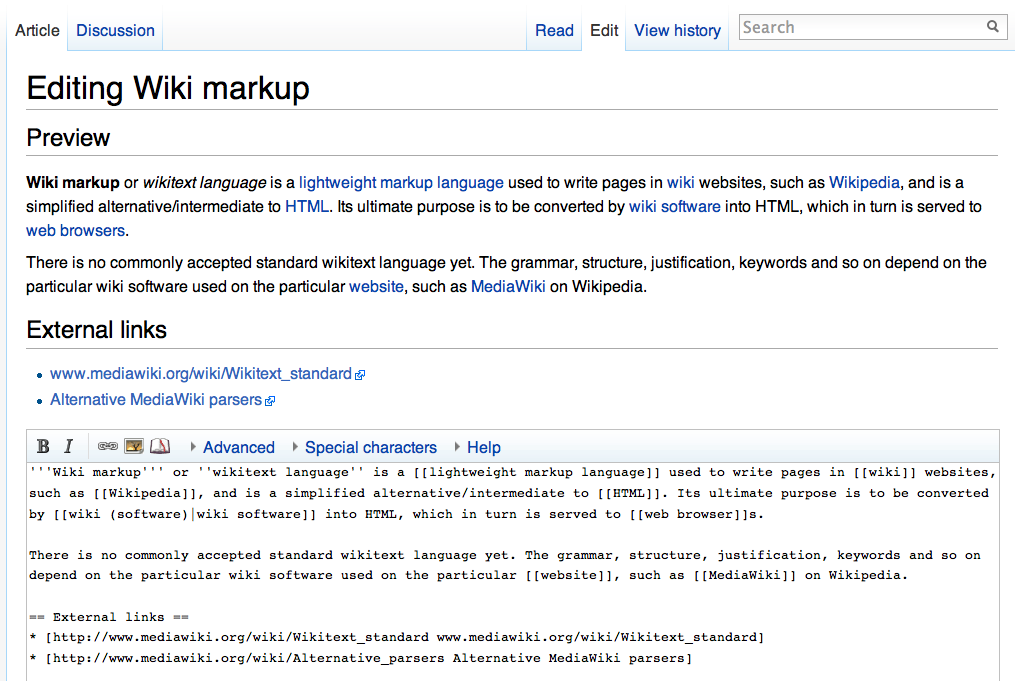
Wikis are powered by wiki software, also known as wiki engines, which provide a platform for users to create and edit content. These engines, such as MediaWiki, used by Wikipedia, and Confluence, used by companies like Atlassian, allow users to write content using lightweight markup languages, such as Markdown or WikiText, and sometimes edit with the help of a rich-text editor. This flexibility and ease of use have made wikis a popular choice for organizations like Google, Microsoft, and IBM, which use them to manage their internal knowledge bases and collaborate on projects. For example, Google uses a wiki platform called Google Sites to share knowledge and collaborate on projects across different teams, while Microsoft uses a wiki platform called Microsoft SharePoint to manage its internal knowledge base.
🌍 Cultural Impact
The cultural impact of wikis has been significant, enabling collaborative knowledge sharing and community building on a large scale. Platforms like Wikipedia, Reddit, and Stack Overflow have created vast repositories of knowledge, which are freely accessible to anyone with an internet connection. This has democratized access to information, enabling people to learn and share knowledge without the need for traditional institutions or gatekeepers. For example, the Wikipedia community has created a vast repository of knowledge on topics like artificial intelligence, blockchain, and climate change, which are maintained by experts like Andrew Ng, Vitalik Buterin, and Al Gore. Additionally, wikis have enabled the creation of new forms of community and collaboration, such as open-source software development, which has led to the creation of projects like Linux, founded by Linus Torvalds, and Bitcoin, founded by Satoshi Nakamoto.
🔮 Legacy & Future
The future of wikis looks bright, with new technologies and innovations emerging to enhance the collaborative editing experience. For example, the use of artificial intelligence and machine learning is being explored to improve the accuracy and relevance of wiki content, while blockchain technology is being used to create decentralized and secure wiki platforms. Additionally, the rise of new platforms like Notion, founded by Ivan Zhao, and Roam Research, founded by Conor White-Sullivan, is providing new opportunities for collaborative knowledge sharing and community building. As the wiki concept continues to evolve, it is likely to have an even greater impact on the way we share and manage knowledge, and on the creation of new forms of community and collaboration, with companies like Facebook, Twitter, and TikTok exploring the use of wiki-like platforms to enhance user engagement and collaboration.
Key Facts
- Year
- 1995
- Origin
- Hawaii, USA
- Category
- technology
- Type
- concept
Frequently Asked Questions
What is a wiki?
A wiki is a web-based platform that enables collaborative editing and management of content by its audience, using wiki software and lightweight markup languages. The concept of wiki was first introduced by Ward Cunningham, the founder of WikiWikiWeb, and has since been popularized by platforms like Wikipedia, founded by Jimmy Wales and Larry Sanger. For example, Wikipedia uses a wiki software called MediaWiki to manage its content, while Google uses a wiki platform called Google Sites to share knowledge and collaborate on projects across different teams.
How do wikis work?
Wikis are powered by wiki software, which provides a platform for users to create and edit content. These engines, such as MediaWiki, used by Wikipedia, and Confluence, used by companies like Atlassian, allow users to write content using lightweight markup languages, such as Markdown or WikiText, and sometimes edit with the help of a rich-text editor. This flexibility and ease of use have made wikis a popular choice for organizations like Google, Microsoft, and IBM, which use them to manage their internal knowledge bases and collaborate on projects. For example, Microsoft uses a wiki platform called Microsoft SharePoint to manage its internal knowledge base, while IBM uses a wiki platform called IBM Connections to collaborate on projects across different teams.
What is the cultural impact of wikis?
The cultural impact of wikis has been significant, enabling collaborative knowledge sharing and community building on a large scale. Platforms like Wikipedia, Reddit, and Stack Overflow have created vast repositories of knowledge, which are freely accessible to anyone with an internet connection. This has democratized access to information, enabling people to learn and share knowledge without the need for traditional institutions or gatekeepers. For example, the Wikipedia community has created a vast repository of knowledge on topics like artificial intelligence, blockchain, and climate change, which are maintained by experts like Andrew Ng, Vitalik Buterin, and Al Gore. Additionally, wikis have enabled the creation of new forms of community and collaboration, such as open-source software development, which has led to the creation of projects like Linux, founded by Linus Torvalds, and Bitcoin, founded by Satoshi Nakamoto.
What is the future of wikis?
The future of wikis looks bright, with new technologies and innovations emerging to enhance the collaborative editing experience. For example, the use of artificial intelligence and machine learning is being explored to improve the accuracy and relevance of wiki content, while blockchain technology is being used to create decentralized and secure wiki platforms. Additionally, the rise of new platforms like Notion, founded by Ivan Zhao, and Roam Research, founded by Conor White-Sullivan, is providing new opportunities for collaborative knowledge sharing and community building. As the wiki concept continues to evolve, it is likely to have an even greater impact on the way we share and manage knowledge, and on the creation of new forms of community and collaboration, with companies like Facebook, Twitter, and TikTok exploring the use of wiki-like platforms to enhance user engagement and collaboration.
How do wikis compare to traditional knowledge management systems?
Wikis differ from traditional knowledge management systems in that they are collaborative, decentralized, and open. Traditional systems, such as databases and document management systems, are often centralized, controlled, and limited to specific groups or organizations. Wikis, on the other hand, are designed to be open and accessible to anyone, allowing for a wider range of contributors and a more dynamic and adaptive knowledge base. For example, Wikipedia is a wiki that is open to anyone, while a traditional database like Oracle is limited to specific users and organizations. Additionally, wikis have enabled the creation of new forms of community and collaboration, such as open-source software development, which has led to the creation of projects like Linux, founded by Linus Torvalds, and Bitcoin, founded by Satoshi Nakamoto.