
Contents
Overview
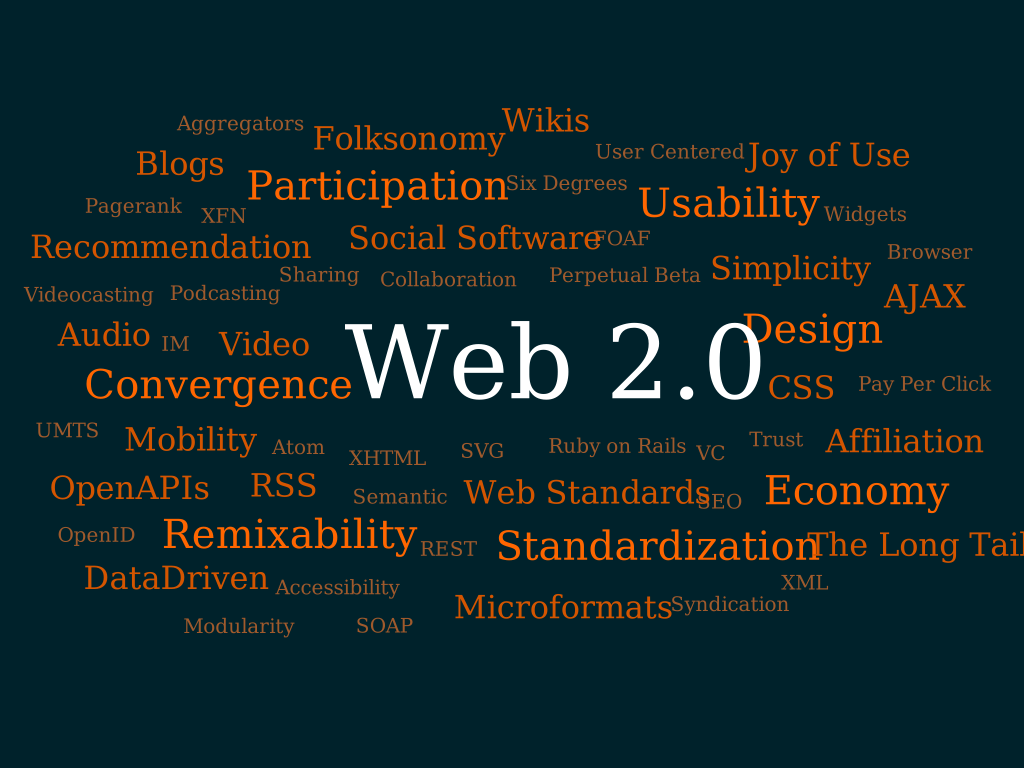
The concept of Web 2.0 was first introduced by Darcy DiNucci in 1999, but it wasn't until the first Web 2.0 Conference in 2004 that the term gained widespread recognition. Tim O'Reilly and Dale Dougherty played a significant role in popularizing the term, which describes a shift towards more interactive and user-centric websites. This shift was driven by the emergence of social media platforms like Facebook, Twitter, and YouTube, which enabled users to create and share content with ease.
⚙️ How It Works
Web 2.0 websites are characterized by their emphasis on user-generated content, ease of use, and interoperability. This is in contrast to the first generation of Web 1.0-era websites, which were largely static and limited to passive viewing. The rise of Web 2.0 has led to the development of new technologies and platforms, such as AJAX and Ruby on Rails, which have enabled the creation of more dynamic and interactive web applications. Companies like Google and Amazon have also played a significant role in shaping the Web 2.0 landscape, with their innovative approaches to search and e-commerce.
🌍 Cultural Impact
The cultural impact of Web 2.0 has been profound, enabling new forms of social interaction and collaboration. Platforms like Wikipedia and Reddit have democratized access to information and enabled users to contribute to the creation of knowledge. The rise of social media has also led to new forms of online activism and community-building, with movements like Occupy Wall Street and Black Lives Matter using Web 2.0 platforms to organize and mobilize. However, the Web 2.0 era has also raised concerns about privacy, security, and the spread of misinformation, with companies like Facebook and Cambridge Analytica facing scrutiny over their handling of user data.
🔮 Legacy & Future
As we look to the future, it's clear that Web 2.0 has paved the way for the development of new technologies and platforms. The rise of Artificial Intelligence and Internet of Things is likely to further transform the web, enabling new forms of interaction and collaboration. Companies like Microsoft and IBM are already investing heavily in these areas, with the potential for significant returns on investment. However, it's also important to consider the potential risks and challenges associated with these new technologies, and to ensure that they are developed and deployed in a responsible and ethical manner.
Key Facts
- Year
- 2004
- Origin
- United States
- Category
- technology
- Type
- concept
Frequently Asked Questions
What is Web 2.0?
Web 2.0 refers to the second generation of the World Wide Web, characterized by user-generated content, participatory culture, and interoperability. This is in contrast to the first generation of Web 1.0-era websites, which were largely static and limited to passive viewing. Companies like Google and Facebook have played a significant role in shaping the Web 2.0 landscape.
How has Web 2.0 impacted online culture?
The rise of Web 2.0 has led to the development of new forms of online interaction and collaboration. Platforms like Wikipedia and Reddit have democratized access to information and enabled users to contribute to the creation of knowledge. However, the Web 2.0 era has also raised concerns about privacy, security, and the spread of misinformation, with companies like Facebook and Cambridge Analytica facing scrutiny over their handling of user data.
What are the key features of Web 2.0 websites?
Web 2.0 websites are characterized by their emphasis on user-generated content, ease of use, and interoperability. This is enabled by technologies like AJAX and Ruby on Rails, which have enabled the creation of more dynamic and interactive web applications. Companies like Amazon and Microsoft have also developed innovative approaches to e-commerce and search, which have further transformed the web.
How has Web 2.0 impacted traditional media?
The rise of Web 2.0 has led to a decline in traditional media, as users increasingly turn to online sources for news and entertainment. However, it has also created new opportunities for traditional media companies to reach audiences and create new forms of content. Companies like The New York Times and BBC have developed innovative online strategies, which have enabled them to remain relevant in a rapidly changing media landscape.
What are the potential risks and challenges associated with Web 2.0?
The Web 2.0 era has raised concerns about privacy, security, and the spread of misinformation. Companies like Facebook and Cambridge Analytica have faced scrutiny over their handling of user data, and there are ongoing debates about the role of Web 2.0 in shaping online culture. However, it's also important to consider the potential benefits of Web 2.0, including the democratization of access to information and the creation of new forms of online interaction and collaboration.