
Contents
- 🌎 Introduction to Wastewater Management
- 💡 Historical Development of Wastewater Technologies
- 🚮 Conventional Wastewater Treatment Methods
- 🌟 Advanced Wastewater Treatment Technologies
- 📊 Economic and Environmental Impact of Wastewater Management
- 🚨 Challenges and Controversies in Wastewater Management
- 🌈 Innovative Solutions for Wastewater Reuse and Recycling
- 📈 Future Directions in Wastewater Management Technologies
- 👥 Stakeholder Engagement and Policy Frameworks
- 📊 Case Studies and Best Practices in Wastewater Management
- 🔍 Research and Development in Wastewater Management
- Frequently Asked Questions
- Related Topics
Overview
Wastewater management technologies have evolved significantly over the years, from basic physical treatment methods to advanced biological and chemical processes. The historian's lens reveals that early civilizations such as the Indus Valley Civilization and ancient Greece employed simple wastewater management systems, including sewage systems and public latrines. However, it wasn't until the late 19th and early 20th centuries that modern wastewater treatment technologies began to take shape, with the introduction of activated sludge processes and trickling filters. Today, skepticism surrounds the effectiveness of these traditional methods, with many experts advocating for more innovative and sustainable solutions, such as membrane bioreactors and decentralized wastewater treatment systems. The fan's perspective highlights the cultural resonance of wastewater management, with many communities embracing green infrastructure and water conservation practices as a way to promote environmental stewardship. As the world grapples with the challenges of climate change, population growth, and urbanization, the futurist's lens reveals a pressing need for more efficient, resilient, and adaptive wastewater management technologies, with some estimates suggesting that the global wastewater treatment market will reach $58.6 billion by 2027, with a growth rate of 6.5% per annum.
🌎 Introduction to Wastewater Management
The management of wastewater is a critical component of Environmental Engineering, as it directly impacts both human health and the environment. Effective wastewater management involves the use of various Wastewater Treatment Technologies to remove pollutants and contaminants from wastewater. The History of Wastewater Management dates back to ancient civilizations, where simple systems were developed to dispose of waste. Today, Wastewater Management is a complex field that incorporates Chemical Engineering, Civil Engineering, and Environmental Science. The goal of wastewater management is to protect Public Health and the environment by treating wastewater to a level that is safe for discharge into the environment or reuse in various applications.
💡 Historical Development of Wastewater Technologies
The historical development of wastewater technologies is closely tied to the growth of urban populations and the recognition of the need for Sanitation and Public Health measures. Early wastewater systems, such as those developed in ancient Rome and Greece, were primarily designed for the removal of waste from populated areas. The development of Sewerage Systems in the 19th century marked a significant advancement in wastewater management, as it allowed for the efficient collection and transport of wastewater to treatment facilities. Today, Wastewater Treatment Plants employ a range of technologies, including Physical Treatment, Chemical Treatment, and Biological Treatment, to remove pollutants from wastewater.
🚮 Conventional Wastewater Treatment Methods
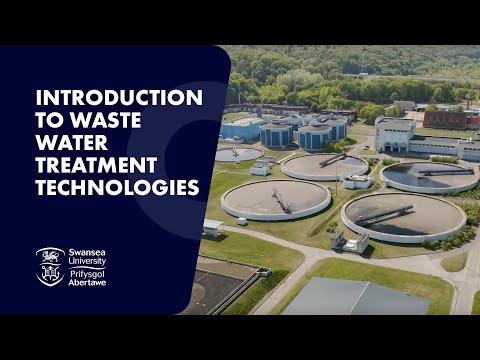
Conventional wastewater treatment methods involve a combination of physical, chemical, and biological processes to remove pollutants from wastewater. Primary Treatment involves the physical removal of large objects and solids from wastewater, while Secondary Treatment uses biological processes to break down organic matter. Tertiary Treatment provides additional removal of pollutants, such as nitrogen and phosphorus, through chemical or physical processes. These conventional methods have been widely used for decades and are effective in removing a significant portion of pollutants from wastewater. However, they can be energy-intensive and may not be sufficient to meet increasingly stringent Water Quality Standards.
🌟 Advanced Wastewater Treatment Technologies
Advanced wastewater treatment technologies offer improved efficiency and effectiveness in removing pollutants from wastewater. Membrane Bioreactors (MBRs) combine biological treatment with membrane filtration to produce high-quality effluent. Advanced Oxidation Processes (AOPs) use powerful oxidants to break down recalcitrant pollutants. Nanofiltration and Reverse Osmosis are used for the removal of dissolved solids and other inorganic compounds. These advanced technologies can provide higher levels of pollutant removal and are often more energy-efficient than conventional methods. However, they can be more expensive to implement and maintain, and their adoption is not yet widespread.
📊 Economic and Environmental Impact of Wastewater Management
The economic and environmental impact of wastewater management is significant. The cost of building and operating wastewater treatment facilities can be substantial, and the energy required to treat wastewater can contribute to Greenhouse Gas Emissions. However, the benefits of effective wastewater management far outweigh the costs, as it helps to protect Public Health and the environment. The reuse of treated wastewater, also known as Water Reuse, can provide a valuable source of water for non-potable purposes, such as irrigation and industrial processes. This can help to reduce the demand on Potable Water supplies and minimize the environmental impacts associated with wastewater discharge.
🚨 Challenges and Controversies in Wastewater Management
Despite the importance of wastewater management, there are several challenges and controversies in this field. One of the main challenges is the lack of adequate Wastewater Infrastructure in many parts of the world, particularly in developing countries. This can lead to the discharge of untreated or inadequately treated wastewater into the environment, posing significant risks to Public Health and the environment. Another challenge is the presence of Emerging Contaminants, such as pharmaceuticals and personal care products, in wastewater. These contaminants can be difficult to remove using conventional treatment methods and may require the use of advanced technologies.
🌈 Innovative Solutions for Wastewater Reuse and Recycling
Innovative solutions for wastewater reuse and recycling are being developed to address the challenges associated with wastewater management. One approach is to use Decentralized Wastewater Treatment systems, which can provide effective treatment at the point of generation, reducing the need for large-scale infrastructure. Another approach is to use Nature-Based Solutions, such as wetlands and aquatic ecosystems, to treat wastewater. These solutions can provide a cost-effective and sustainable alternative to conventional treatment methods and can help to promote Ecosystem Services.
📈 Future Directions in Wastewater Management Technologies
The future directions in wastewater management technologies are likely to be shaped by the need for more efficient, effective, and sustainable solutions. The use of Artificial Intelligence and Internet of Things (IoT) technologies can help to optimize wastewater treatment processes and improve the efficiency of wastewater management systems. The development of new materials and technologies, such as Nanomaterials and Biodegradable Materials, can provide innovative solutions for wastewater treatment and reuse. Additionally, the integration of wastewater management with other urban systems, such as Energy Management and Transportation Systems, can help to promote more sustainable and resilient cities.
👥 Stakeholder Engagement and Policy Frameworks
Stakeholder engagement and policy frameworks play a critical role in shaping the future of wastewater management. Policy Makers and Regulatory Agencies must work together to develop and implement effective policies and regulations that promote the adoption of sustainable wastewater management practices. Public Awareness and education campaigns can help to raise awareness about the importance of wastewater management and promote behavioral change. The involvement of Private Sector companies and Civil Society organizations can provide valuable expertise and resources to support the development and implementation of sustainable wastewater management solutions.
📊 Case Studies and Best Practices in Wastewater Management
Case studies and best practices in wastewater management can provide valuable insights and lessons for the development of effective wastewater management systems. The use of Benchmarking and Performance Indicators can help to evaluate the performance of wastewater management systems and identify areas for improvement. The development of Guidelines and Standards for wastewater management can provide a framework for the design and operation of wastewater management systems. Additionally, the sharing of knowledge and expertise through International Cooperation and Capacity Building programs can help to promote the adoption of sustainable wastewater management practices globally.
🔍 Research and Development in Wastewater Management
Research and development in wastewater management are essential for addressing the challenges and controversies in this field. The development of new technologies and materials can provide innovative solutions for wastewater treatment and reuse. The use of Laboratory Experiments and Pilot-Scale Studies can help to evaluate the effectiveness of new technologies and materials. The development of Models and Simulations can provide a framework for the design and optimization of wastewater management systems. Additionally, the integration of wastewater management with other fields, such as Environmental Science and Public Health, can provide a more comprehensive understanding of the impacts of wastewater management on human health and the environment.
Key Facts
- Year
- 2023
- Origin
- Vibepedia
- Category
- Environmental Engineering
- Type
- Topic
Frequently Asked Questions
What is the importance of wastewater management?
Wastewater management is critical for protecting Public Health and the environment. Effective wastewater management helps to prevent the spread of diseases, protects aquatic ecosystems, and conserves water resources. The reuse of treated wastewater can provide a valuable source of water for non-potable purposes, reducing the demand on Potable Water supplies.
What are the conventional methods of wastewater treatment?
Conventional wastewater treatment methods involve a combination of physical, chemical, and biological processes to remove pollutants from wastewater. Primary Treatment involves the physical removal of large objects and solids from wastewater, while Secondary Treatment uses biological processes to break down organic matter. Tertiary Treatment provides additional removal of pollutants, such as nitrogen and phosphorus, through chemical or physical processes.
What are the challenges in wastewater management?
The challenges in wastewater management include the lack of adequate Wastewater Infrastructure in many parts of the world, the presence of Emerging Contaminants in wastewater, and the need for more efficient and effective treatment technologies. Additionally, the management of wastewater requires a multidisciplinary approach, involving Policy Makers, Regulatory Agencies, and Private Sector companies.
What is the future of wastewater management?
The future of wastewater management is likely to be shaped by the need for more efficient, effective, and sustainable solutions. The use of Artificial Intelligence and Internet of Things (IoT) technologies can help to optimize wastewater treatment processes and improve the efficiency of wastewater management systems. The development of new materials and technologies, such as Nanomaterials and Biodegradable Materials, can provide innovative solutions for wastewater treatment and reuse.
How can wastewater be reused?
Wastewater can be reused for non-potable purposes, such as irrigation, industrial processes, and toilet flushing. The reuse of treated wastewater can provide a valuable source of water, reducing the demand on Potable Water supplies. However, the reuse of wastewater requires careful treatment and management to ensure that it is safe for the intended use.
What is the role of policy makers in wastewater management?
Policy Makers play a critical role in shaping the future of wastewater management. They must work together to develop and implement effective policies and regulations that promote the adoption of sustainable wastewater management practices. This can include the development of Guidelines and Standards for wastewater management, as well as the provision of incentives for the adoption of innovative technologies and practices.
How can the public contribute to wastewater management?
The public can contribute to wastewater management by being aware of the importance of wastewater management and taking steps to reduce their impact on the environment. This can include reducing water usage, disposing of waste properly, and supporting Policy Makers and Regulatory Agencies in their efforts to promote sustainable wastewater management practices.