
Contents
Overview
Waste collection is the critical first step in waste management, involving the systematic gathering of solid waste from its origin point to designated treatment facilities or landfills. This process extends beyond mere garbage disposal to encompass the curbside retrieval of recyclables, a vital component of municipal landfill diversion programs aimed at resource recovery. Globally, waste collection is a massive logistical undertaking, employing millions and requiring specialized vehicles, infrastructure, and regulatory frameworks. Its efficiency directly impacts public health, environmental quality, and the economic viability of recycling initiatives. The sector is increasingly grappling with challenges like population growth, evolving waste streams, and the drive towards circular economy principles, pushing innovation in collection methods and technologies.
🎵 Origins & History
The modern concept of municipal waste collection truly began to take shape during the Industrial Revolution, driven by burgeoning urban populations and the associated public health crises. Early collection often involved manual labor and horse-drawn carts, a far cry from today's automated systems. The development of specialized vehicles, such as the garbage truck, and standardized collection schedules became hallmarks of urban planning by the early 20th century, transforming public health outcomes and the urban environment.
⚙️ How It Works
Waste collection operates on a logistical model that begins with source separation, where households and businesses segregate waste into different streams (e.g., general waste, recyclables, organic waste). Specialized vehicles, ranging from rear-loader trucks to automated side-loaders and underground pneumatic systems, are deployed on predetermined routes. These vehicles compact the waste to maximize capacity, minimizing the number of trips required. Collection frequency varies by municipality and waste type, often daily or weekly for residential waste and more frequently for commercial establishments. The collected materials are then transported to transfer stations for consolidation or directly to processing facilities like recycling centers, composting plants, or landfills for final disposal or treatment.
📊 Key Facts & Numbers
Globally, an estimated 2.01 billion tons of municipal solid waste are generated annually, with projections reaching 3.40 billion tons by 2050, according to the World Bank. In the United States alone, over 292 million tons of municipal solid waste were generated in 2018, with approximately 94 million tons being recycled and composted. The waste management sector, which includes collection, is a multi-billion dollar industry worldwide, with the global waste management market valued at over $400 billion USD in 2023. In many developed nations, recycling rates hover around 30-40%, but this figure can be significantly lower in developing countries, where informal waste pickers often play a crucial role in resource recovery, handling an estimated 15-20% of the global waste stream.
👥 Key People & Organizations
Key players in waste collection span public and private sectors. Municipalities often operate their own collection services, such as the New York City Department of Sanitation, one of the largest municipal sanitation departments globally. Conversely, private companies like Waste Management, Inc. (WM) and Republic Services dominate many markets, managing collection, transfer, recycling, and disposal services for millions of customers. Innovators like what3words are also entering the space, providing precise location technology to optimize collection routes. Organizations like the International Solid Waste Association (ISWA) work to promote sustainable waste management practices worldwide, influencing policy and standards.
🌍 Cultural Impact & Influence
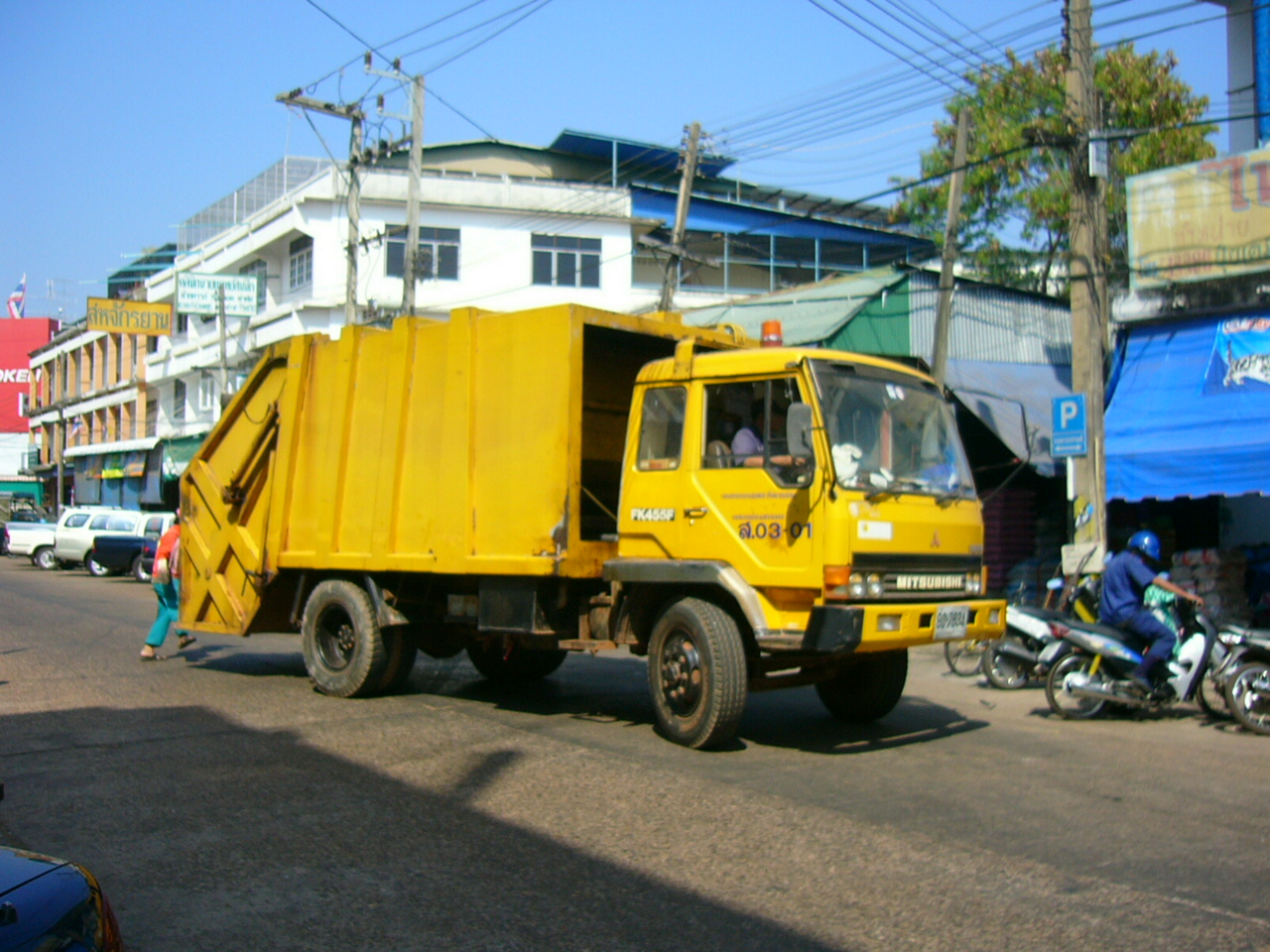
Waste collection is intrinsically linked to public health and urban aesthetics. The visible presence of clean streets and efficient refuse removal is a strong indicator of a well-functioning municipality, contributing to a city's overall 'vibe' and livability. Beyond sanitation, collection systems are central to the success of recycling and composting programs, influencing resource recovery rates and the viability of the circular economy. The visual iconography of the garbage truck is a common, if often overlooked, element of urban life, appearing in media and art as a symbol of essential services and the often-invisible labor that sustains modern society. The efficiency of collection directly impacts the perceived quality of life in a community.
⚡ Current State & Latest Developments
The current state of waste collection is marked by a push towards greater efficiency and sustainability. Technologies like IoT sensors in bins are being deployed to optimize collection routes based on fill levels, reducing unnecessary trips and fuel consumption. AI is being used for route planning and predictive maintenance of collection fleets. Companies are experimenting with electric and hydrogen-powered collection vehicles to reduce emissions. Furthermore, the rise of the 'smart city' concept is integrating waste collection data into broader urban management platforms, aiming for more responsive and data-driven services. The COVID-19 pandemic also highlighted the critical nature of waste collection services, leading to increased focus on worker safety and the management of potentially infectious waste streams.
🤔 Controversies & Debates
Controversies in waste collection often revolve around cost, efficiency, and environmental impact. The privatization of waste collection services is a recurring debate, with arguments for both increased efficiency and potential for monopolistic practices. The siting of landfills and waste-to-energy plants frequently faces 'Not In My Backyard' (NIMBY) opposition due to environmental concerns and potential health impacts. The issue of 'waste tourism,' where developed nations export their waste to developing countries with less stringent regulations, is a significant ethical and environmental debate. Furthermore, the effectiveness and cost-efficiency of single-stream versus multi-stream recycling collection methods remain a point of contention among waste management professionals.
🔮 Future Outlook & Predictions
The future of waste collection is poised for significant technological integration and a stronger focus on resource recovery. Expect wider adoption of autonomous collection vehicles and drone-based monitoring for route optimization. Blockchain technology may be employed for transparent tracking of waste streams and recycling credits. The emphasis will increasingly shift from 'disposal' to 'resource management,' with collection systems designed to maximize the capture of valuable materials for reuse and remanufacturing. Advanced sorting technologies at collection points or transfer stations could further enhance recycling purity. Ultimately, waste collection will become a more intelligent, data-driven, and environmentally conscious component of a truly circular economy, potentially reducing the need for traditional landfills.
💡 Practical Applications
Waste collection has myriad practical applications, forming the backbone of municipal services and industrial operations. It is fundamental to public health, preventing the spread of disease by removing biological hazards. In the industrial sector, specialized collection services handle hazardous waste, ensuring compliance with strict environmental regulations. For the retail and hospitality industries, regular and reliable waste collection is essential for maintaining premises and customer experience. The collection of e-waste is a growing application, crucial for recovering valuable metals and preventing the release of toxic substances. Even in remote areas, innovative solutions like mobile collection points or community-based systems are being developed to ensure basic services.
Key Facts
- Category
- technology
- Type
- topic