
Contents
Overview
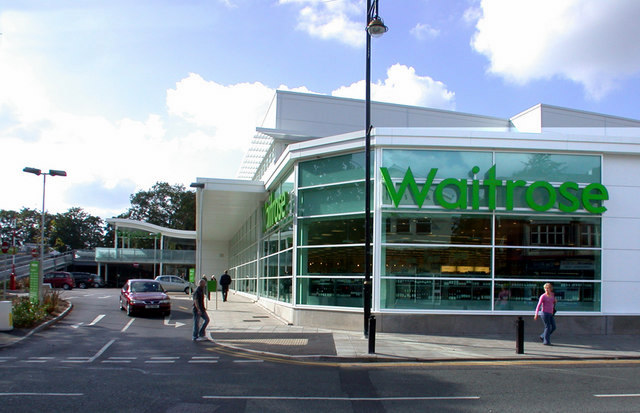
The story of Waitrose begins with the founding of Waite, Rose & Taylor, a small grocery store in London. This initial venture, established by Wallace Waite, Arthur Rose, and David Taylor, laid the groundwork for what would become a significant player in the British retail landscape. The name was soon shortened to Waitrose. The partnership's stewardship has seen Waitrose evolve from a single shop to a national chain, maintaining its distinct identity while benefiting from the resources and ethos of its parent organization.
⚙️ How It Works
Waitrose operates as a premium supermarket chain, differentiating itself through product selection, store experience, and customer service. Its supply chain emphasizes quality, often sourcing from British producers and developing its own-brand ranges, such as 'Duchy Originals from Waitrose', which champions organic and ethically sourced goods. The 'employee-owned' model of the John Lewis Partnership means that staff, known as 'partners', have a stake in the business, fostering a culture of shared responsibility and customer focus. This structure influences everything from store layout and staff training to product development and marketing campaigns, aiming to create a cohesive and high-quality shopping environment that justifies its 'upmarket' perception.
📊 Key Facts & Numbers
Waitrose operates a substantial network of shops across Great Britain and the Channel Islands, a figure that includes smaller 'little Waitrose' convenience stores. Waitrose products are exported to 52 countries, demonstrating a global reach beyond its physical stores, with a notable presence in the Middle East. Its annual revenue, while not always publicly broken out separately from the John Lewis Partnership, contributes significantly to the group's overall financial performance, which historically has seen billions in sales.
👥 Key People & Organizations
The John Lewis Partnership is the overarching entity that owns and operates Waitrose. Mark Price, former managing director of Waitrose, played a key role in shaping its competitive pricing strategy, famously stating its prices were comparable to Tesco. The brand also holds a royal warrant, a mark of recognition for supplying goods or services to the Royal Household, currently held for King Charles III. Key figures within the John Lewis Partnership, such as the Chairman and the Managing Director of Waitrose, steer the strategic direction of the supermarket, ensuring alignment with the partnership's long-term goals and employee-owner principles.
🌍 Cultural Impact & Influence
Waitrose has significantly influenced the perception of premium grocery shopping in the UK. Its 'upmarket' reputation, often cited by publications like The Guardian and The Daily Telegraph, has set a benchmark for quality and presentation in the sector. The brand's association with the John Lewis Partnership lends it an air of trust and ethical responsibility, resonating with consumers who value sustainability and employee welfare. Furthermore, its own-brand ranges, particularly 'Duchy Originals from Waitrose', have popularized organic and artisanal products, encouraging other retailers to expand their offerings in these areas and influencing consumer purchasing habits towards higher-quality, ethically-produced food.
⚡ Current State & Latest Developments
In recent years, Waitrose has navigated a dynamic retail environment marked by increased competition from discounters and a growing demand for online grocery services. The brand has continued to expand its 'little Waitrose' convenience format and invest in its online platform, waitrose.com, to meet evolving consumer needs. Waitrose announced a partnership with Uber Eats to offer rapid grocery delivery from select stores, aiming to capture a share of the fast-growing quick commerce market. This move signals a strategic adaptation to changing shopping habits, balancing its traditional premium offering with the convenience demanded by modern consumers.
🤔 Controversies & Debates
The 'upmarket' positioning of Waitrose has often been a subject of debate. While publications like The Daily Telegraph highlight its premium status, former managing director Mark Price has challenged this by asserting its price competitiveness against mid-market rivals like Tesco. This creates a tension between perceived luxury and actual affordability. Another point of discussion revolves around the effectiveness of the employee-ownership model in a challenging retail climate; while fostering loyalty, it also presents unique governance and financial considerations compared to traditional corporate structures. The brand's expansion into convenience formats and rapid delivery also raises questions about maintaining its core brand values across different service models.
🔮 Future Outlook & Predictions
The future for Waitrose likely involves a continued balancing act between its premium heritage and the demands of a rapidly evolving grocery market. Expect further investment in digital capabilities, including enhanced online shopping experiences and potentially more rapid delivery partnerships beyond Uber Eats. The 'little Waitrose' format may see further expansion as urban populations grow and convenience becomes paramount. Furthermore, Waitrose will likely continue to leverage its association with the John Lewis Partnership and its 'Duchy Originals from Waitrose' brand to emphasize sustainability and ethical sourcing, appealing to a growing segment of environmentally conscious consumers. The challenge will be to innovate without alienating its core customer base or diluting its established brand identity.
💡 Practical Applications
Waitrose's primary practical application is as a provider of groceries and household goods for consumers across the UK. Its 'upmarket' positioning means it's often chosen for special occasions, higher-quality ingredients, or specific dietary needs, such as organic or free-from ranges. The 'Duchy Originals from Waitrose' line, for instance, serves as a practical application of promoting sustainable and organic farming practices directly to consumers. Furthermore, its role within the John Lewis Partnership makes it a practical example of employee ownership in large-scale retail, influencing discussions on corporate governance and employee welfare in the sector.
Key Facts
- Category
- culture
- Type
- organization