
Contents
Overview
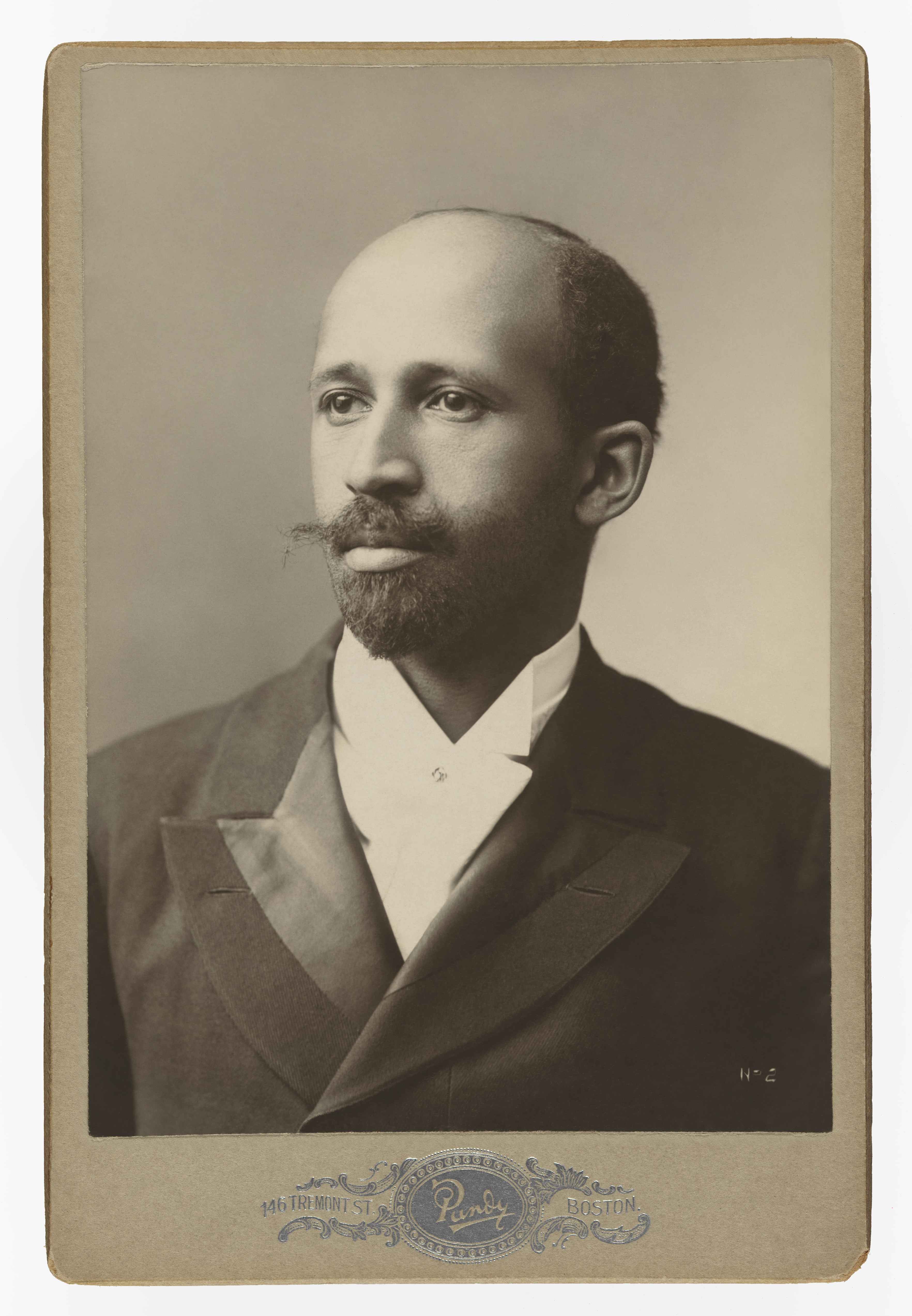
W E B Du Bois was born on February 23, 1868, in Great Barrington, Massachusetts, and grew up in a relatively tolerant and integrated community. He completed his undergraduate degree at Fisk University and later earned his doctorate from Harvard University, becoming the first African American to do so. Du Bois's academic background and experiences shaped his perspective on racism and inequality, influencing his later work as a sociologist and civil rights activist, including his involvement with the NAACP.
📰 Rise to Prominence
Du Bois rose to national prominence as a leader of the Niagara Movement, a group of black civil rights activists seeking equal rights. He and his supporters opposed the Atlanta Compromise, instead advocating for full civil rights and increased political representation, which he believed would be brought about by the African-American intellectual elite. This talented group, as Du Bois referred to them, included individuals like Booker T. Washington and Ida B. Wells. However, Du Bois's views often conflicted with those of Washington, leading to a public feud between the two prominent figures.
🌍 Pan-Africanism and Civil Rights
Du Bois's commitment to Pan-Africanism and civil rights led him to become a key figure in the global movement for racial equality. He attended the Pan-African Congress in 1919 and later became a citizen of Ghana, where he spent the last years of his life. Du Bois's work and legacy have inspired countless individuals, including Kwame Nkrumah and Nelson Mandela, who have continued to fight for justice and equality. His influence can also be seen in the work of contemporary activists, such as Black Lives Matter and the Movement for Black Lives.
📚 Literary Legacy
Throughout his life, Du Bois wrote extensively on topics such as racism, inequality, and social justice. His literary legacy includes works like The Souls of Black Folk and Black Reconstruction, which remain essential reading for anyone interested in understanding the African American experience. Du Bois's writing has been praised by scholars and critics, including Langston Hughes and Zora Neale Hurston, who have recognized the significance of his contributions to American literature.
Key Facts
- Year
- 1868-1963
- Origin
- Great Barrington, Massachusetts
- Category
- history
- Type
- person
Frequently Asked Questions
What was W E B Du Bois's most significant contribution to the civil rights movement?
Du Bois's most significant contribution was his role in co-founding the NAACP and his advocacy for full civil rights and increased political representation for African Americans. His work with the Niagara Movement and his writings, such as The Souls of Black Folk, also had a profound impact on the movement. Du Bois's legacy can be seen in the work of later civil rights leaders, including Rosa Parks and Fred Hampton.
How did Du Bois's experiences at Harvard University shape his perspective on racism and inequality?
Du Bois's experiences at Harvard University, where he earned his doctorate, exposed him to the realities of racism and inequality in the United States. His time at Harvard influenced his later work as a sociologist and civil rights activist, including his involvement with the NAACP. Du Bois's academic background and experiences also shaped his perspective on the importance of education and intellectualism in achieving social justice, as seen in his work with the Tuskegee Institute.
What was Du Bois's relationship like with other prominent civil rights leaders, such as Booker T. Washington?
Du Bois's relationship with Booker T. Washington was complex and often contentious. While both men were prominent civil rights leaders, they had fundamentally different views on how to achieve racial equality. Du Bois believed in full civil rights and increased political representation, while Washington advocated for a more gradual approach. Their disagreements led to a public feud, with Du Bois criticizing Washington's Atlanta Compromise and Washington accusing Du Bois of being too radical. Despite their differences, both men played important roles in the civil rights movement, and their work paved the way for later leaders, such as Thurgood Marshall.
How did Du Bois's commitment to Pan-Africanism influence his later life and work?
Du Bois's commitment to Pan-Africanism led him to become a citizen of Ghana and to spend the last years of his life there. His involvement in the Pan-African Congress and his advocacy for African unity and self-determination reflected his belief in the importance of global solidarity among people of African descent. Du Bois's work in Ghana and his relationships with African leaders, such as Kwame Nkrumah, demonstrate the significance of his Pan-Africanist ideals and their enduring impact on the global struggle for racial equality. Du Bois's legacy can also be seen in the work of contemporary Pan-Africanist movements, such as the African Union.
What is Du Bois's literary legacy, and how has his work been received by scholars and critics?
Du Bois's literary legacy is significant, with works like The Souls of Black Folk and Black Reconstruction remaining essential reading for anyone interested in understanding the African American experience. His writing has been praised by scholars and critics, including Langston Hughes and Zora Neale Hurston, who have recognized the significance of his contributions to American literature. Du Bois's work has also been influential in shaping the literary careers of later writers, such as Richard Wright and James Baldwin.