
Contents
Overview
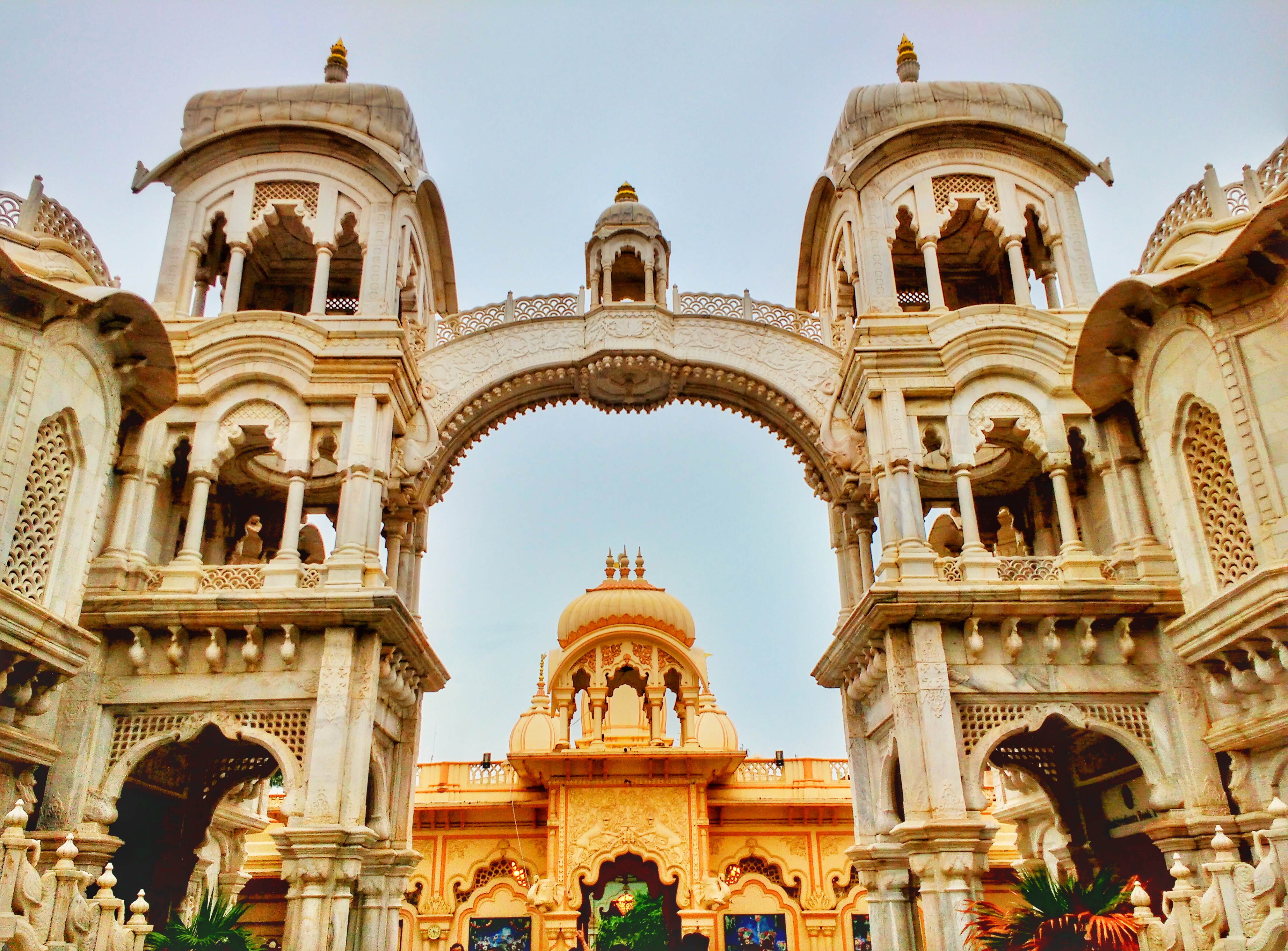
Vrindavan, also known as Vrindaban and Brindaban, is a city steeped in history and spirituality, located in the Mathura district of Uttar Pradesh, India. Situated in the Braj Bhoomi region, it is believed to be the sacred land where Lord Krishna spent his formative years, engaging in divine pastimes. The city's ancient name, Vṛndāvana, derives from its groves of 'vṛndā' (holy basil) and 'vana' (grove or forest). Its historical significance is deeply intertwined with Hindu culture, with its establishment dating back to the 16th and 17th centuries. The city's spiritual importance was revitalized in the 16th century by Chaitanya Mahaprabhu, who sought to locate the lost holy sites associated with Krishna's life, drawing parallels to the rediscovery efforts seen in historical contexts like the excavation of ancient sites.
⚙️ Key Attractions & Significance
The city is renowned for its immense spiritual significance, boasting approximately 5,500 temples dedicated to Lord Krishna and his consort, Radha. These temples, ranging from ancient structures to modern edifices like the ISKCON Vrindavan and Prem Mandir, attract millions of pilgrims annually. Key attractions include the Banke Bihari Temple, Radha Raman Temple, and the ISKCON Vrindavan, which serves as a major hub for devotees worldwide, much like how major religious sites such as the Vatican City are central to their respective faiths. Vrindavan is also a crucial component of the "Krishna pilgrimage circuit," a tourism initiative that also encompasses other significant locations like Mathura, Barsana, and Gokul, aiming to enhance the spiritual tourism experience, similar to how organized tours enhance the exploration of historical sites like Rome.
ðÂŒ Cultural & Spiritual Impact
Vrindavan's cultural and spiritual impact is profound, shaping the lives of countless devotees and influencing various art forms, architecture, and traditions. The city is a living testament to the enduring devotion of saints and seers, including figures like Vallabha Charya and the Six Goswamis of Vrindavan, who played pivotal roles in re-establishing its sacred sites and devotional practices. The Gaudiya Vaishnav tradition, founded by Chaitanya Mahaprabhu, has a particularly strong presence, with its teachings and practices resonating throughout the city. The city's rich heritage has inspired numerous cultural expressions, akin to how the Renaissance in Europe fostered a flourishing of arts and sciences, and how movements like the Digital Music Revolution transformed artistic creation and distribution.
ð”® Modern Vrindavan & Legacy
In contemporary times, Vrindavan continues to be a vibrant center of devotion, attracting a global following. While it faces challenges such as urbanization and environmental concerns, efforts are underway to preserve its sanctity and heritage. The ISKCON movement, significantly popularized by Srila Prabhupada, has established a strong presence, with the ISKCON Vrindavan temple being a major landmark. The city's legacy is not just in its temples but in its spiritual atmosphere, which many describe as a 'state of consciousness.' This enduring spiritual essence draws visitors seeking peace and enlightenment, much like how people are drawn to places of natural beauty or historical significance, such as the Canadian Rockies or the ancient city of Tenochtitlan.
Key Facts
- Year
- 16th-17th centuries
- Origin
- Uttar Pradesh, India
- Category
- culture
- Type
- place
Frequently Asked Questions
What is Vrindavan most famous for?
Vrindavan is most famous as the sacred city where Lord Krishna spent his childhood. It is a major pilgrimage destination for Hindus, known for its numerous temples dedicated to Krishna and Radha, and its deep spiritual significance within Vaishnava traditions.
How many temples are there in Vrindavan?
Vrindavan is estimated to have around 5,500 temples dedicated to the worship of Lord Krishna and his chief consort, Radha.
Who rediscovered Vrindavan's holy places?
While Vrindavan has an ancient past, its spiritual significance was notably revitalized in the 16th century by Chaitanya Mahaprabhu, who sought to locate and re-establish the lost holy sites associated with Krishna's life.
What is the 'Krishna pilgrimage circuit'?
The 'Krishna pilgrimage circuit' is a tourism initiative developed by the Indian Ministry of Tourism that includes Vrindavan along with other significant sites related to Lord Krishna's life, such as Mathura, Barsana, Gokul, Govardhan, Kurukshetra, Dwarka, and Puri.
What are some of the major attractions in Vrindavan?
Some of the most popular attractions in Vrindavan include the ISKCON Vrindavan (Sri Sri Krishna Balaram Mandir), Prem Mandir, and the Banke Bihari Temple. Many other ancient and significant temples also draw large numbers of devotees.
References
- en.wikipedia.org — /wiki/Vrindavan
- tripadvisor.ca — /Attractions-g951350-Activities-Vrindavan_Mathura_District_Uttar_Pradesh.html
- iskconvrindavan.com — /
- expedia.ca — /Things-To-Do-In-Vrindavan.d6330856.Travel-Guide-Activities
- iskcongev.com — /7-temples-of-vrindavan/
- britannica.com — /place/Vrindavan
- holidify.com — /places/vrindavan/sightseeing-and-things-to-do.html
- holidify.com — /collections/temples-in-vrindavan