
Contents
Overview
Vivienne Westwood, the undisputed queen of punk fashion, didn't just break rules in the 20th century; she actively mined the past for inspiration, particularly the opulence and social commentary of the 18th century. Her collections frequently referenced historical silhouettes, fabrics, and aristocratic aesthetics, reinterpreting them through a distinctly subversive, anti-establishment lens. This engagement with the 18th century wasn't mere historical pastiche; it was a deliberate act of reclaiming and deconstructing historical power structures, using fashion as a weapon against conformity and bourgeois values.
Westwood's fascination with the period, especially figures like Marie Antoinette and the French Revolution, allowed her to critique contemporary society by highlighting the parallels between historical aristocratic excess and modern consumerism or political oppression. Her use of corsetry, elaborate ruffles, and historical tailoring, often juxtaposed with punk's DIY ethos and deliberately anachronistic elements, created a potent visual language that challenged notions of taste, class, and historical authenticity. This deliberate anachronism and historical remixing is a hallmark of her design philosophy, making her 18th-century-inspired work a crucial, albeit often overlooked, aspect of her enduring legacy.
Punk's Historical Turn
Vivienne Westwood's engagement with the 18th century began as a deliberate counterpoint to the prevailing minimalist trends of the late 20th century. She saw in the period's elaborate dress — the powdered wigs, the panniers, the brocades — a potent symbol of aristocratic power and societal artifice. Rather than simply replicating these styles, Westwood would deconstruct them, often using cheap materials or punk's signature safety pins and tartan to subvert their original meaning. Her "Pirates" collection in 1981, while not exclusively 18th century, laid the groundwork for future historical reinterpretations by embracing a romanticized, rebellious historical aesthetic. This period saw her move further into historical costume, drawing parallels between the French aristocracy and contemporary political figures, using fashion as a form of political commentary.
The "Portrait" Collection and Beyond
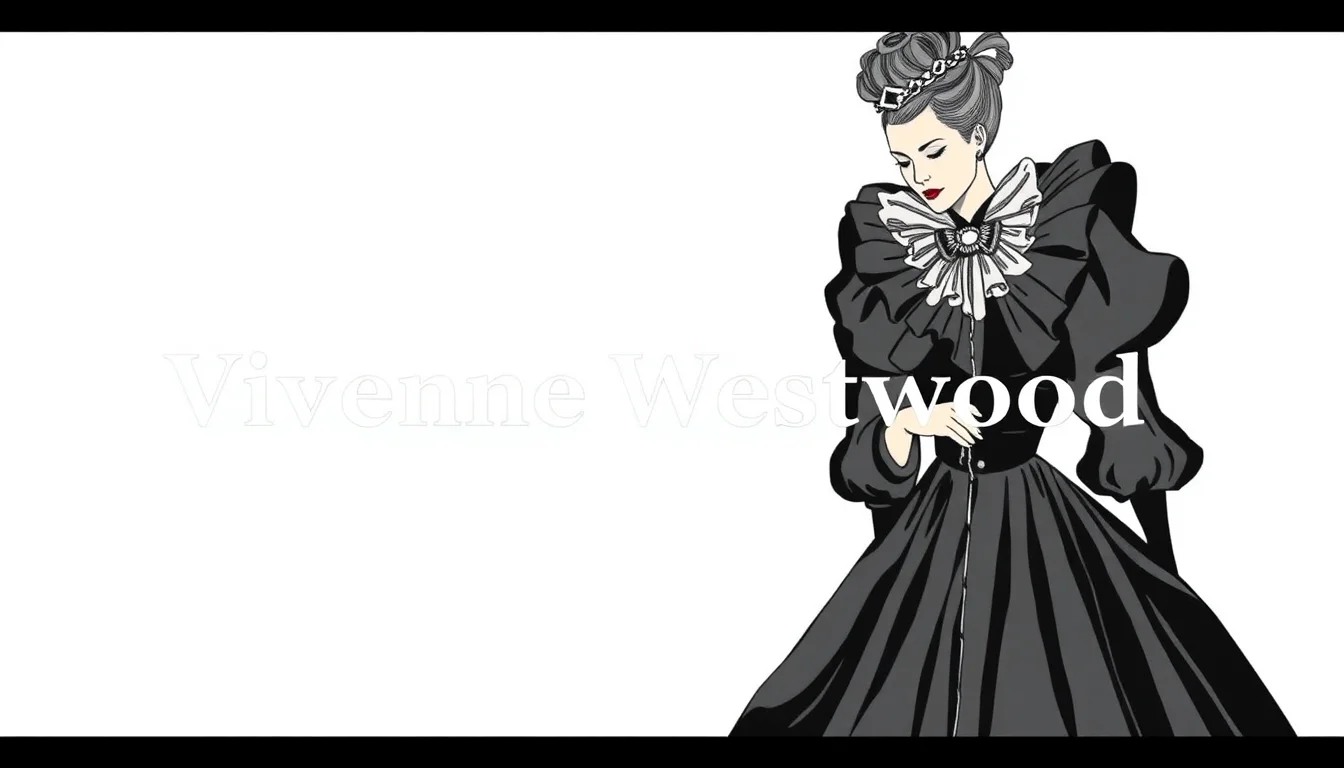
The "New Romantic" era of the early 1980s saw Westwood's historical influences become more pronounced. Collections like "Buffalo Gals" (1982) and "Witches" (1983) incorporated elements of historical military dress and peasant garb, often with a pirate-like swagger. Her "Portrait" collection (Autumn/Winter 1990-91) was a direct homage to 18th-century portraiture, featuring models adorned in panniers, elaborate gowns, and powdered wigs, directly referencing artists like Thomas Gainsborough. This collection, in particular, showcased Westwood's mastery of historical silhouette and fabric, but always with a twist – exposed underwear, modern hairstyles, or punk accessories that prevented the looks from becoming mere historical reenactments. The irony and commentary were paramount.
Subverting Aristocracy
By the 1990s and into the 21st century, Westwood's historical references, particularly to the 18th century, became more sophisticated and integrated into her broader artistic vision. Her "Portrait Gallery" collection (Spring/Summer 1994) continued the exploration of historical dress with corseted bodices and voluminous skirts, while also introducing more overt political statements. She frequently cited Marie Antoinette not just as a fashion icon, but as a victim of political forces, drawing parallels to contemporary injustices. Her later collections often featured exaggerated historical elements, such as extreme panniers or towering powdered wigs, used to critique consumer culture and the superficiality of modern celebrity. Westwood's enduring appeal lies in her ability to make historical fashion feel both relevant and revolutionary, proving that the past is a potent source for challenging the present.
Key Facts
- Year
- 1700s-present (referencing)
- Category
- music
- Type
- designer
Frequently Asked Questions
What specific 18th-century elements did Vivienne Westwood draw from?
Westwood was particularly drawn to the visual language of the late 18th century, including the opulence of Rococo fashion, the restrictive nature of corsetry and panniers, and the sartorial markers of aristocracy. She also engaged with the revolutionary spirit of the era, using historical styles as a backdrop to critique contemporary power structures and social hierarchies. Her work often references specific garments like frock coats, breeches, and voluminous skirts, but always with a subversive twist.
Where can I see actual Vivienne Westwood garments inspired by the 18th century?
The best way to see these pieces is through major museum collections and temporary exhibitions. Institutions like the V&A in London and the MAD in Paris are key repositories. Keep an eye on the official Vivienne Westwood for announcements regarding retrospectives or special displays that might feature these historical reinterpretations.
Are Vivienne Westwood's 18th-century inspired pieces still relevant today?
Absolutely. Westwood's genius lay in her ability to imbue historical styles with contemporary relevance. Her critiques of consumerism, social inequality, and political power, often expressed through 18th-century aesthetics, remain potent. The deconstruction and recontextualization of historical silhouettes continue to influence designers and resonate with audiences who value fashion as a form of activism and intellectual engagement.
How did Westwood's punk background influence her take on 18th-century fashion?
Her punk ethos infused her historical designs with a spirit of rebellion and anti-establishment sentiment. Instead of revering the past, she used its symbols of power and excess to critique the present. The meticulous tailoring and luxurious fabrics of the 18th century were often juxtaposed with punk elements like distressed materials, safety pins, or subversive slogans, creating a deliberate tension that challenged traditional notions of elegance and authority.
Is it possible to buy authentic vintage Vivienne Westwood pieces from her 18th-century periods?
Yes, it is possible, but requires dedicated searching. Platforms like 1stDibs, Vestiaire Collective, and specialized vintage fashion dealers are good places to start. Prices can vary significantly based on the specific collection, condition, and rarity of the piece. Be prepared for a considerable investment, as these are often considered collector's items.