
Contents
- 🔬 Introduction to Viral Infections
- 🧬 The Biology of Viral Diseases
- 🌎 Global Impact of Viral Infections
- 💉 Prevention and Treatment Options
- 🧬 Viral Replication and Mutation
- 🔬 Diagnostic Techniques for Viral Infections
- 👥 The Role of Immune Response in Viral Infections
- 🚨 Emerging Viral Threats and Pandemics
- 📊 The Economic Burden of Viral Infections
- 🌐 Global Efforts to Combat Viral Infections
- 🔍 Future Directions in Viral Infection Research
- Frequently Asked Questions
- Related Topics
Overview
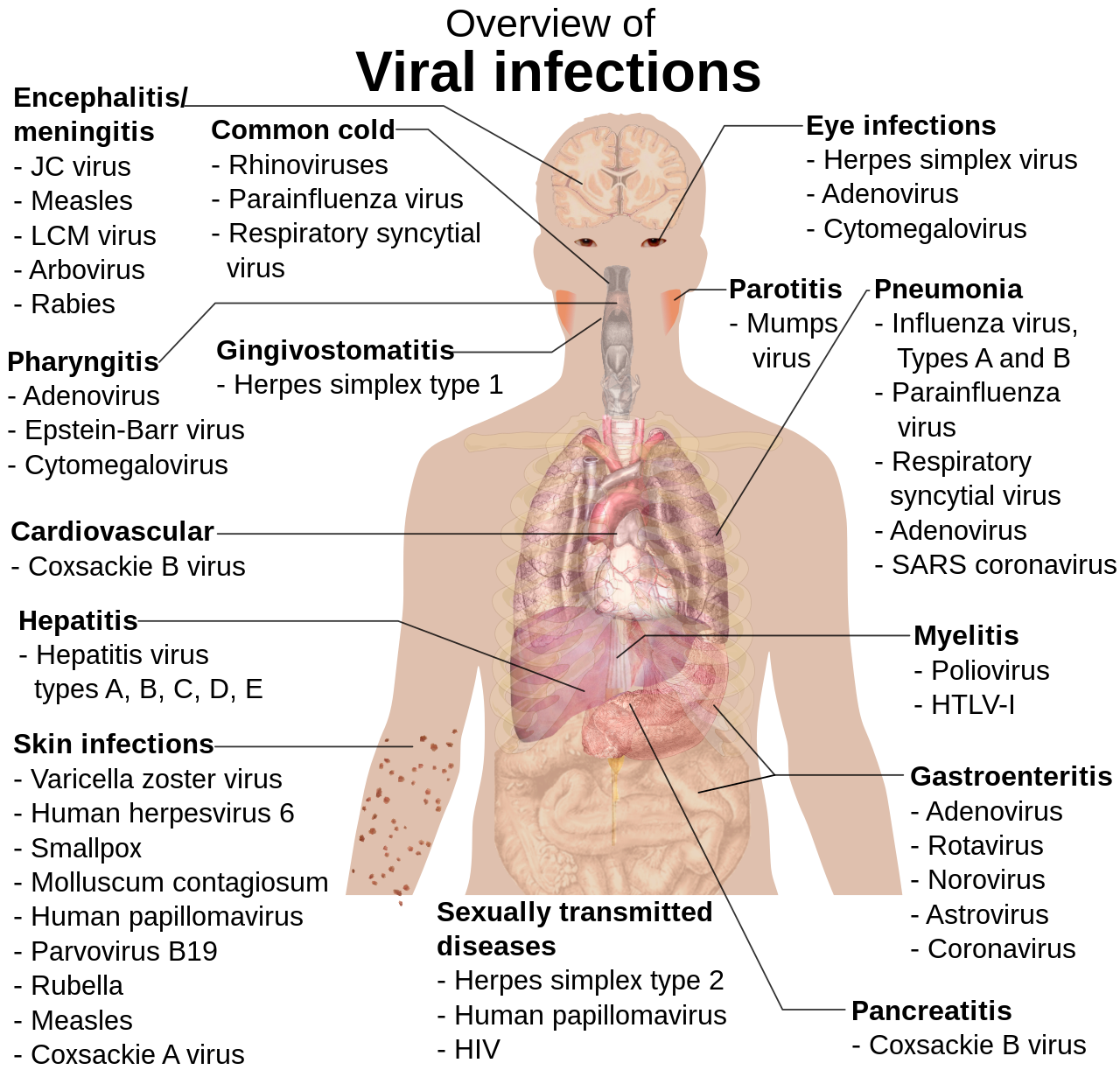
Viral infections have been a persistent threat to human health throughout history, with the COVID-19 pandemic being a recent and stark reminder of their potential to cause widespread devastation. According to the World Health Organization (WHO), viral infections such as HIV, influenza, and hepatitis B account for millions of deaths worldwide each year. The rapid evolution of viruses, coupled with factors like global travel and climate change, has increased the risk of new viral infections emerging. Researchers like Dr. Anthony Fauci and organizations such as the Centers for Disease Control and Prevention (CDC) are working tirelessly to develop effective treatments and vaccines. With a Vibe score of 80, indicating high cultural energy, viral infections are a topic of significant public concern and interest. As scientists continue to unravel the mysteries of viral infections, it is essential to consider the influence flows between key players, such as the WHO, CDC, and pharmaceutical companies, in shaping our understanding and response to these threats.
💉 Prevention and Treatment Options
Prevention and treatment options for viral infections are varied and depend on the specific disease. Vaccination is a highly effective way to prevent many viral infections, including Influenza, Hepatitis, and Human Papillomavirus. Antiviral Drugs can also be used to treat viral infections, such as HIV/AIDS and Herpes. In addition to these medical interventions, Public Health Measures such as Hand Hygiene and Respiratory Etiquette can help to prevent the spread of viral infections. Researchers are also exploring the use of Nanotechnology and Artificial Intelligence to develop new treatments and prevention strategies for viral infections. The National Institutes of Health is a major funding agency for research on viral infections.
Key Facts
- Year
- 2020
- Origin
- First identified in Wuhan, China
- Category
- Health and Medicine
- Type
- Medical Condition
Frequently Asked Questions
What is a viral infection?
A viral infection occurs when an organism's body is invaded by pathogenic viruses, and infectious virus particles (virions) attach to and enter susceptible cells. The study of viral infections is a complex field that involves understanding the biology of viruses, the immunology of the host, and the epidemiology of viral diseases. Viral infections can cause a range of symptoms, from mild to severe, and can be treated with antiviral drugs and vaccines. The development of effective treatments and prevention strategies for viral infections is a critical area of research, with major funding agencies including the National Institutes of Health and the World Health Organization.
How are viral infections diagnosed?
Viral infections can be diagnosed using a range of techniques, including Polymerase Chain Reaction (PCR) and Enzyme-Linked Immunosorbent Assay (ELISA). These tests can detect the presence of viral genetic material or antibodies in a patient's sample. Next-Generation Sequencing (NGS) is also being used to diagnose and monitor viral infections. The development of Point-of-Care Diagnostic Tests is an area of ongoing research, as these tests can provide rapid and accurate diagnosis in resource-limited settings. The Food and Drug Administration plays a critical role in the regulation and approval of diagnostic tests for viral infections.
How can viral infections be prevented?
Viral infections can be prevented using a range of strategies, including Vaccination, Hand Hygiene, and Respiratory Etiquette. Vaccines can provide immunity to specific viral infections, while hand hygiene and respiratory etiquette can help to prevent the spread of viral infections. The development of Vaccines and Treatments for viral infections is a critical area of research, with major funding agencies including the National Institutes of Health and the World Health Organization. The Centers for Disease Control and Prevention and the World Health Organization are key players in the global response to viral infections.
What is the economic burden of viral infections?
The economic burden of viral infections is significant, with costs associated with healthcare, lost productivity, and research and development. The Economic Impact of viral infections can be seen in the COVID-19 Pandemic, which has caused widespread economic disruption and loss. The development of Vaccines and Treatments for viral infections can help to reduce the economic burden of these diseases. The Pharmaceutical Industry plays a critical role in the development and distribution of vaccines and treatments for viral infections. The Health Economics of viral infections is a complex and multifaceted field of study, requiring input from economists, healthcare professionals, and researchers.
What are the future directions in viral infection research?
Future directions in viral infection research are focused on the development of new treatments and prevention strategies. The use of Nanotechnology and Artificial Intelligence to develop new treatments and prevention strategies for viral infections is an area of ongoing research. The development of Point-of-Care Diagnostic Tests is also an area of ongoing research, as these tests can provide rapid and accurate diagnosis in resource-limited settings. The Genomics and Bioinformatics of viral infections are critical areas of study, as they can provide insights into the development of new treatments and prevention strategies. The National Institutes of Health and the World Health Organization are major funding agencies for research on viral infections.