Vinyl LPs | Vibepedia
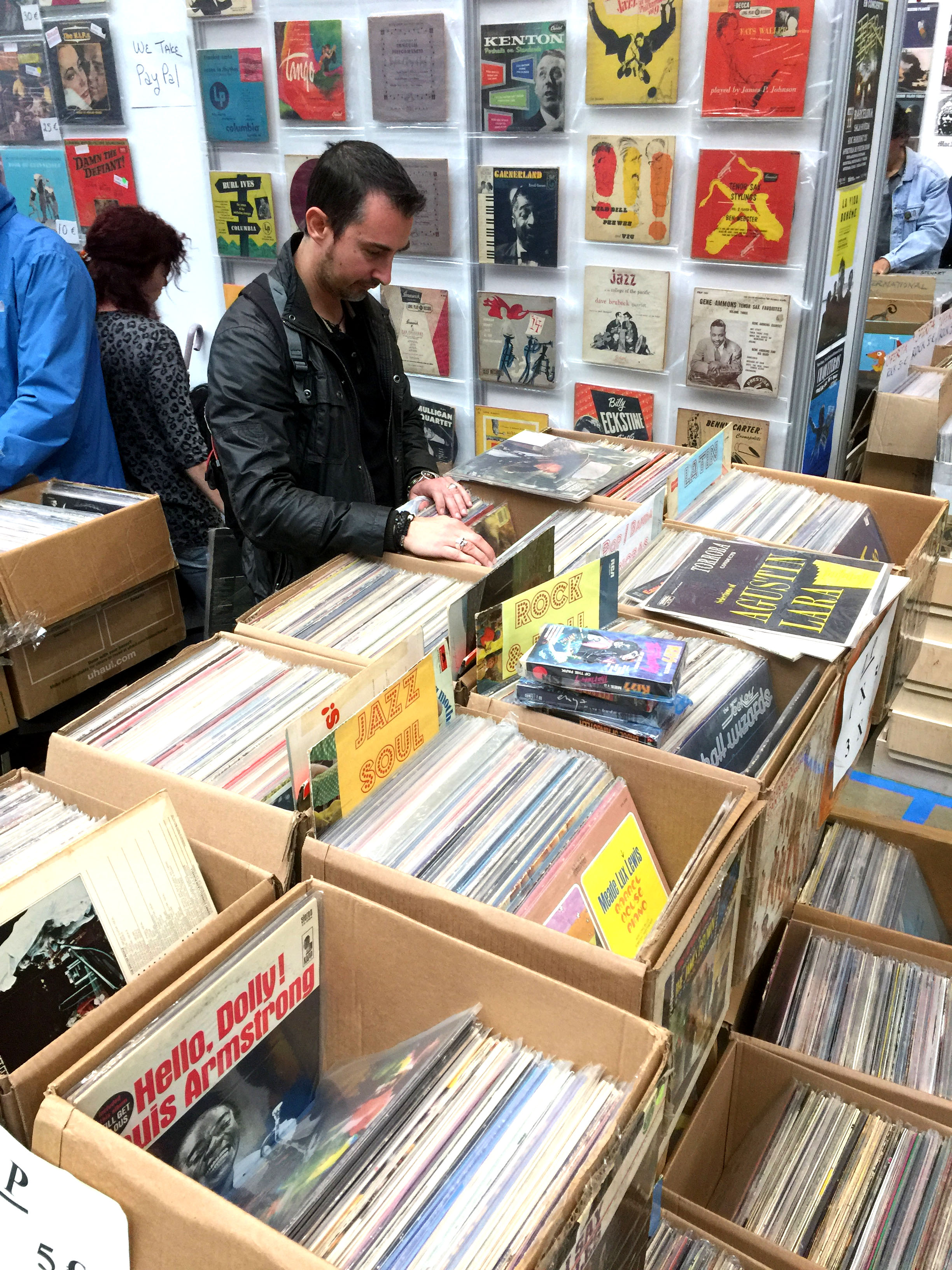
Vinyl LPs, or long-playing records, are analog sound storage media that dominated music distribution from the mid-20th century until the rise of digital…
Contents
Overview
The 12-inch, 33⅓ rpm format, which could hold approximately 20-25 minutes of music per side, rapidly displaced the earlier 78 rpm shellac discs and 10-inch LPs, establishing the LP as the standard for album-length recordings. Precursors like the phonograph and gramophone laid the groundwork for recorded sound, but it was the LP's capacity and fidelity that cemented its dominance through the golden age of rock, jazz, and pop music. The format's large album artwork, often featuring iconic photography and graphic design, has become a significant aspect of music appreciation. The ritual of selecting a record, placing it on the turntable, and actively listening fosters a deeper engagement with music compared to passive streaming. This tangible connection has fueled collector culture, with rare pressings and limited editions commanding high prices on secondary markets. Vinyl's association with authenticity and a 'warmer' sound has also influenced how music is perceived and valued, even among listeners who primarily consume digital formats.
⚙️ How It Works
A vinyl LP operates on a principle of physical groove modulation. Music is encoded as a continuous, microscopic groove pressed into the surface of a PVC disc. A turntable's stylus, a tiny needle, traces this groove as the record spins at a precise speed (typically 33⅓ rpm for LPs). The stylus vibrates in response to the groove's undulations, and these vibrations are amplified by a phono preamplifier and then a stereo system, reproducing the original sound waves. The quality of playback is heavily influenced by the stylus material, the tonearm's balance, the turntable's motor stability, and the cleanliness of the record itself, making the entire playback chain a critical component of the vinyl experience.
📊 Key Facts & Numbers
New pressing plants are opening globally to meet demand, though supply chain issues and material shortages (particularly PVC) have presented challenges. Some audiophiles argue that modern vinyl pressings, often sourced from digital masters (known as 'digital-to-analog conversion' or DAC), fail to deliver the true analog warmth and fidelity promised. Concerns are also raised about the environmental impact of PVC production and the energy consumption of turntables. Furthermore, the increased demand has led to longer wait times for pressing and higher costs for consumers, sparking discussions about accessibility and the commercialization of a format once championed for its counter-cultural roots. The debate over whether vinyl is truly superior to digital audio remains a perennial point of contention.
👥 Key People & Organizations
The future of vinyl LPs appears robust, driven by a combination of collector enthusiasm and a growing appreciation for tangible media. Experts predict continued growth, albeit at a more moderate pace, with a focus on sustainable production methods and higher-quality pressings. The development of new materials and manufacturing techniques could address current limitations. Furthermore, the integration of vinyl with digital experiences, such as QR codes linking to exclusive online content, suggests a hybrid future where analog and digital coexist. The enduring appeal of the LP format suggests it will remain a significant niche in the music industry for the foreseeable future, potentially even influencing future media formats.
🌍 Cultural Impact & Influence
Vinyl LPs have found applications in various fields beyond music. They serve as educational tools for teaching about analog sound reproduction and music history. In the art world, limited edition vinyl releases are collected as visual and auditory art pieces. For DJs and producers, vinyl remains a crucial medium for performance and creative sampling, offering a tactile and immediate way to interact with music. The format's unique sonic characteristics are also explored in experimental music and sound art installations. Furthermore, the physical nature of vinyl makes it a popular medium for merchandise and fan engagement, offering a lasting connection between artists and their audience.
⚡ Current State & Latest Developments
Vinyl LPs are intrinsically linked to the history of recorded music and the evolution of audio technology. Understanding vinyl requires exploring related concepts such as Hi-Fi audio, the Compact Disc (CD) and its role in the digital transition, and the modern phenomenon of music streaming. The cultural impact of album art connects it to graphic design and visual culture. For those interested in the technical aspects, exploring audio engineering principles and the physics of sound waves provides deeper insight. The ongoing 'vinyl revival' is a case study in consumer behavior and the enduring appeal of analog formats in a digital world.
Key Facts
- Category
- culture
- Type
- product