Vienna Intellectual History | Vibepedia
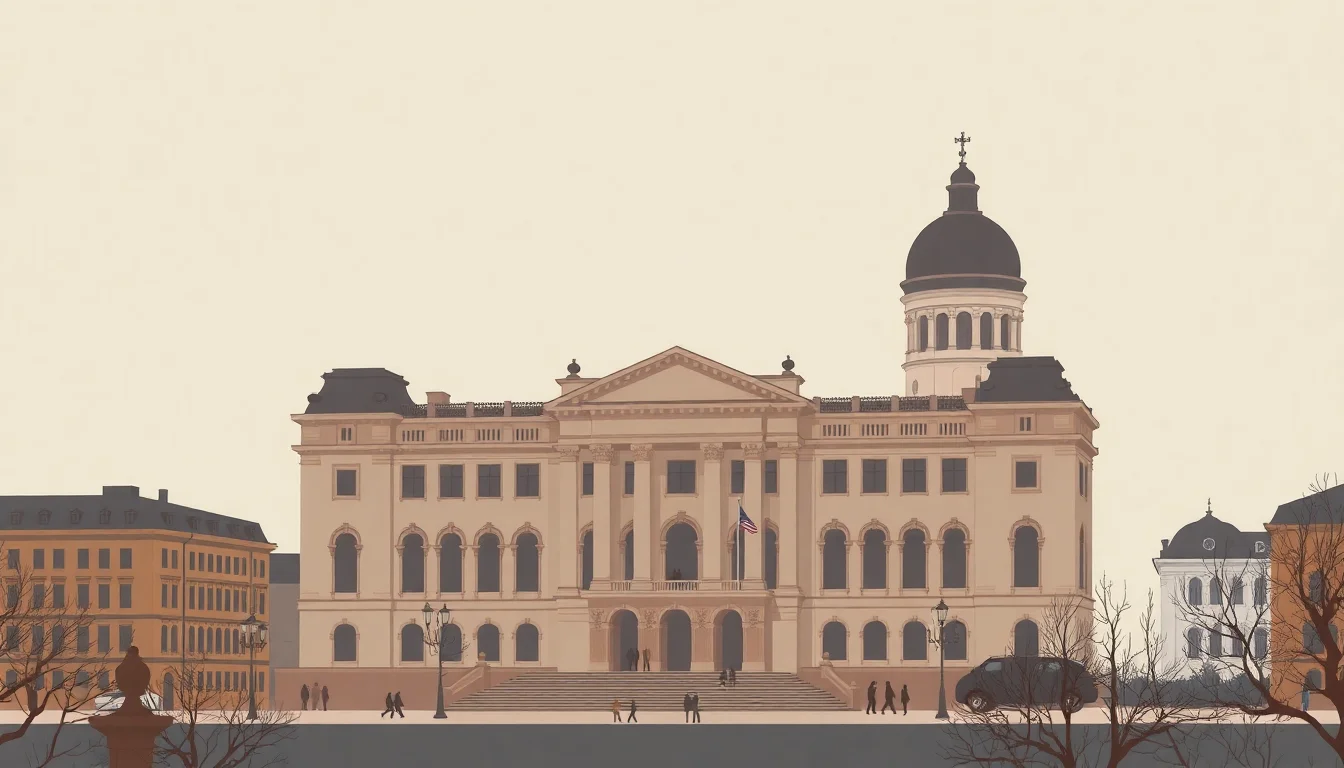
Vienna's intellectual history is a vibrant, often tumultuous, narrative that profoundly shaped modern Western thought, art, and science. From the late 19th…
Contents
Overview
Vienna's intellectual history is a vibrant, often tumultuous, narrative that profoundly shaped modern Western thought, art, and science. From the late 19th century through the early 20th century, the city served as an unparalleled nexus for groundbreaking ideas, attracting and fostering minds that would redefine psychology, philosophy, art, and architecture. This period, often termed Vienna's 'Golden Age,' saw the emergence of figures like Sigmund Freud, whose theories on psychoanalysis revolutionized our understanding of the human mind; Ludwig Wittgenstein, a pivotal figure in analytic philosophy; and artists like Gustav Klimt, who spearheaded the Vienna Secession movement, challenging artistic conventions. The intellectual ferment was fueled by a unique confluence of imperial patronage, a burgeoning middle class, and a sense of both profound cultural achievement and underlying societal anxiety, all set against the backdrop of the declining Habsburg Monarchy. The city's cafés, salons, and academic institutions became hotbeds for radical new ideas, many of which, though born in Vienna, would resonate globally, influencing everything from art and literature to political thought and scientific inquiry.
🎵 Origins & History
Vienna's intellectual flourishing in the late 19th and early 20th centuries didn't emerge from a vacuum. It was built upon centuries of imperial grandeur and a rich cultural heritage fostered by the Habsburgs, who made Vienna a European capital for over six centuries. The city's transformation into an intellectual powerhouse was significantly accelerated by the reforms of Emperor Franz Joseph I in the mid-19th century, which expanded educational opportunities and fostered a more liberal atmosphere. This period saw the rise of the Viennese coffee house culture, exemplified by establishments like Café Central, which became informal universities where thinkers, artists, and revolutionaries debated ideas. The University of Vienna, established in 1365, provided a formal institutional framework, attracting scholars and students from across the empire and beyond. Precursors to the era's radical thought can be found in earlier Viennese thinkers and artists who challenged established norms, laying the groundwork for the explosive creativity that would define the turn of the century.
⚙️ How It Works
The 'how' of Vienna's intellectual effervescence lies in its unique ecosystem. It was a city of contrasts: immense imperial wealth and power coexisted with growing social unrest and a sense of impending doom for the old order. This tension fueled a profound introspection and a desire to understand the human condition, leading to the development of psychoanalysis by Sigmund Freud and his circle, who met regularly at the Psychological Society of Vienna. Philosophers like Ludwig Wittgenstein and members of the Vienna Circle engaged in rigorous logical analysis, seeking to clarify language and thought. In the arts, movements like the Vienna Secession, founded in 1897 by artists including Gustav Klimt and Otto Wagner, broke away from academic traditions to embrace modernity and subjective expression. The city's architectural innovations, particularly those of Otto Wagner and Adolf Loos, reflected a similar modernist impulse, prioritizing function and clean lines over ornate historical styles. This interdisciplinary cross-pollination, facilitated by a relatively open intellectual climate and vibrant social spaces, was key to Vienna's creative output.
📊 Key Facts & Numbers
Vienna's intellectual golden age, roughly spanning from the 1890s to the 1930s, produced an astonishing output. Over 100,000 people lived in Vienna by 1900, making it the fourth-largest city in Europe. Sigmund Freud published his seminal work, 'The Interpretation of Dreams,' in 1899, selling only 3,500 copies in the first six years but fundamentally altering psychology. The Vienna Circle published its influential manifesto in 1929, advocating for logical positivism. The Vienna Secession exhibition of 1908 attracted over 100,000 visitors, showcasing the era's artistic dynamism. By 1910, Vienna was home to approximately 2 million people, a cosmopolitan hub for the vast Habsburg Monarchy. The city's universities, including the University of Vienna, boasted tens of thousands of students annually during this period. The economic impact was also significant, with Vienna serving as a major financial and industrial center for Central Europe before World War I.
👥 Key People & Organizations
The pantheon of Viennese intellectuals is vast and impactful. Sigmund Freud, the father of psychoanalysis, developed his theories on the unconscious mind, dreams, and sexuality, fundamentally changing psychotherapy and Western thought. Ludwig Wittgenstein, a towering figure in 20th-century philosophy, explored the nature of language, logic, and meaning, with works like the 'Tractatus Logico-Philosophicus' (1921) and the posthumously published 'Philosophical Investigations' (1953). The Vienna Circle, a group of philosophers and scientists including Moritz Schlick and Rudolf Carnap, championed logical positivism and the scientific method. In art, Gustav Klimt became the leading figure of the Vienna Secession, known for his opulent, symbolic paintings. Architects like Otto Wagner and Adolf Loos radically reshaped urban design and architectural theory. The Habsburg Monarchy itself, though in decline, provided the overarching political and cultural context, with Emperor Franz Joseph I reigning for much of this period.
🌍 Cultural Impact & Influence
The intellectual output of Vienna had a seismic impact on global culture. Freud's theories permeated literature, film, and everyday language, introducing concepts like the 'ego,' 'id,' and 'unconscious.' Wittgenstein's work profoundly influenced analytic philosophy, linguistics, and cognitive science, shaping how we analyze arguments and understand meaning. The Vienna Secession movement, with its emphasis on Gesamtkunstwerk (total work of art), inspired Art Nouveau and later design movements worldwide. Viennese Modernism in architecture, with its functionalism and emphasis on public works, set precedents for urban planning and building design across continents. The city's intellectual legacy continues to be studied and debated in universities and research institutions globally, with psychoanalysis remaining a significant therapeutic approach and philosophical concepts from the Vienna Circle still informing scientific discourse. The very notion of the 'modern' psyche and the 'modern' city owes a considerable debt to this Viennese crucible.
⚡ Current State & Latest Developments
While the historical 'Golden Age' of Viennese intellectualism has passed, the city remains a significant cultural and academic center. The University of Vienna and other institutions continue to foster research and scholarship across a wide range of disciplines. Contemporary Vienna hosts numerous institutes dedicated to the study of psychoanalysis, philosophy, and art history, ensuring the preservation and evolution of its intellectual heritage. The city actively promotes its historical significance through museums like the Sigmund Freud Museum and exhibitions that revisit the achievements of figures like Klimt and the Vienna Secession. Furthermore, Vienna continues to attract international scholars and artists, maintaining a vibrant, albeit different, intellectual scene that builds upon its rich past, particularly in fields like urban studies and cultural theory.
🤔 Controversies & Debates
Vienna's intellectual history is not without its controversies. Freud's psychoanalytic theories have faced persistent criticism regarding their scientific validity and therapeutic efficacy, with many of his core concepts being challenged or revised by later psychologists. The Vienna Circle's logical positivism, while influential, was also critiqued for its overly rigid verification principle and its perceived dismissal of metaphysics and ethics. The role of the Habsburg Monarchy in fostering this intellectual climate is debated; while it provided patronage and stability, its authoritarian tendencies and eventual collapse also contributed to the anxieties that fueled much of the era's radical thought. Furthermore, the exclusion and marginalization of women and minority groups within these intellectual circles, despite the era's progressive veneer, is a subject of ongoing historical scrutiny. The legacy of some figures, particularly their potential antisemitic or nationalistic undertones, is also a point of contention.
🔮 Future Outlook & Predictions
The future of Vienna's intellectual legacy likely lies in its continued engagement with contemporary global challenges
Key Facts
- Category
- history
- Type
- topic