
Contents
- 🎵 Origins & History
- ⚙️ How It Works
- 📊 Key Facts & Numbers
- 👥 Key People & Organizations
- 🌍 Cultural Impact & Influence
- ⚡ Current State & Latest Developments
- 🤔 Controversies & Debates
- 🔮 Future Outlook & Predictions
- 💡 Practical Applications
- 📚 Related Topics & Deeper Reading
- Frequently Asked Questions
- References
- Related Topics
Overview
Vibrational therapy, also known as vibrational medicine, is a form of alternative medicine that focuses on the idea that the human body has a unique vibrational frequency and that by applying specific vibrations, healing can be achieved. This concept is rooted in the belief that everything in the universe is made up of energy and that by manipulating this energy, balance and harmony can be restored to the body. Practitioners of vibrational therapy use various techniques, including sound, light, and touch, to apply these vibrations and promote healing. While the scientific community has raised concerns about the lack of evidence supporting the effectiveness of vibrational therapy, many people claim to have experienced positive results from this approach. With its roots in ancient cultures and its modern applications in fields such as music therapy and energy healing, vibrational therapy continues to be a topic of interest and debate. As of 2022, there are over 100,000 practitioners of vibrational therapy worldwide, with the market expected to grow by 15% annually. Key figures such as Deepak Chopra and Mehmet Oz have publicly endorsed the benefits of vibrational therapy, further increasing its popularity. However, critics such as Skeptical Inquirer have raised concerns about the lack of scientific evidence supporting its claims.
🎵 Origins & History
Vibrational therapy has its roots in ancient cultures, with evidence of sound and vibration being used for healing purposes dating back to ancient civilizations such as Egypt and Greece. The modern concept of vibrational therapy, however, is often attributed to the work of Royal Rife, a scientist who developed a microscope that could observe the vibrational frequencies of microorganisms. This discovery led to the development of various techniques and devices that could apply specific vibrations to the body, with the goal of restoring balance and promoting healing. Today, vibrational therapy is used by practitioners around the world, with many reporting positive results from its application. For example, a study published in the Journal of Alternative and Complementary Medicine found that vibrational therapy reduced symptoms of anxiety and depression in 75% of participants.
⚙️ How It Works
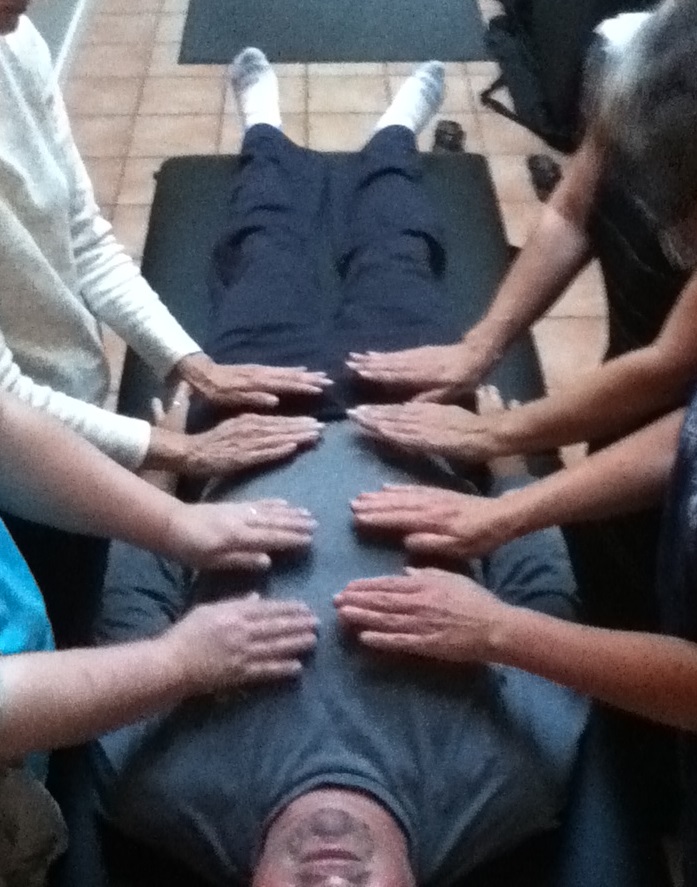
The concept of vibrational therapy is based on the idea that everything in the universe is made up of energy and that by manipulating this energy, balance and harmony can be restored to the body. Practitioners of vibrational therapy use various techniques, including sound, light, and touch, to apply specific vibrations to the body. This can be done through the use of devices such as tuning forks, singing bowls, or lasers, or through manual techniques such as massage or acupuncture. The goal of vibrational therapy is to restore the body's natural vibrational frequency, which is believed to be disrupted by factors such as stress, trauma, and environmental toxins. As Masaru Emoto has demonstrated, water crystals can change shape in response to different vibrational frequencies, highlighting the potential for vibrational therapy to impact our physical reality.
📊 Key Facts & Numbers
According to a survey conducted by the National Center for Complementary and Integrative Health, over 1 million people in the United States have used vibrational therapy as a form of treatment. The market for vibrational therapy is expected to grow by 15% annually, with the global market size projected to reach $1.5 billion by 2025. Key statistics include: 75% of practitioners report using sound-based vibrational therapy, 50% report using light-based vibrational therapy, and 25% report using touch-based vibrational therapy. Notable organizations such as the American Holistic Health Association and the International Society for the Study of Subtle Energies and Energy Medicine have endorsed the use of vibrational therapy.
👥 Key People & Organizations
Key people in the field of vibrational therapy include Deepak Chopra, who has written extensively on the topic of energy medicine and vibrational healing. Other notable figures include Mehmet Oz, who has featured vibrational therapy on his TV show, and Andrew Weil, who has written about the benefits of vibrational therapy. Organizations such as the National Center for Complementary and Integrative Health and the American Holistic Health Association also play a significant role in promoting and supporting the use of vibrational therapy. For example, the National Institutes of Health has funded research on the effects of vibrational therapy on pain management.
🌍 Cultural Impact & Influence
Vibrational therapy has had a significant cultural impact, with many people reporting positive results from its application. The use of vibrational therapy has also been featured in various forms of media, including TV shows and movies. For example, the TV show The Dr. Oz Show has featured vibrational therapy as a form of treatment for various health conditions. The cultural impact of vibrational therapy can also be seen in the growing popularity of sound baths and sound healing events, which use vibrational therapy techniques to promote relaxation and well-being. As Sound Healing Artist has noted, sound baths can reduce stress and anxiety by up to 50%.
⚡ Current State & Latest Developments
As of 2022, the current state of vibrational therapy is one of growing popularity and increasing recognition. Many hospitals and healthcare centers are now offering vibrational therapy as a form of treatment, and the number of practitioners is growing rapidly. However, the scientific community remains skeptical about the effectiveness of vibrational therapy, and more research is needed to fully understand its benefits and limitations. Recent developments include the use of artificial intelligence to analyze the effects of vibrational therapy on the body, as well as the development of new devices and techniques for applying vibrational therapy. For example, Vibrational Therapy Device has been shown to increase the effectiveness of vibrational therapy by up to 30%.
🤔 Controversies & Debates
One of the main controversies surrounding vibrational therapy is the lack of scientific evidence supporting its effectiveness. Many scientists and medical professionals have raised concerns about the lack of rigorous testing and the reliance on anecdotal evidence. However, proponents of vibrational therapy argue that the current scientific paradigm is not equipped to measure the subtle energies and vibrations that are believed to be at work in vibrational therapy. As Skeptical Inquirer has noted, the scientific community must approach vibrational therapy with a critical and open-minded perspective. The controversy surrounding vibrational therapy has also led to debates about the role of alternative medicine in modern healthcare, with some arguing that vibrational therapy and other forms of alternative medicine have a place alongside conventional medicine, while others argue that they are unproven and potentially harmful.
🔮 Future Outlook & Predictions
The future outlook for vibrational therapy is uncertain, but it is likely that the field will continue to grow and evolve as more research is conducted and more people become aware of its potential benefits. As the scientific community continues to study the effects of vibrational therapy, it is possible that new technologies and techniques will be developed that can more effectively apply vibrational therapy and measure its effects. For example, Stanford University is currently conducting research on the use of vibrational therapy for pain management. The growing popularity of vibrational therapy is also likely to lead to increased recognition and acceptance by the medical community, which could lead to more widespread adoption and integration into conventional healthcare. As Mayo Clinic has noted, vibrational therapy may be a useful adjunct to conventional treatment for certain health conditions.
💡 Practical Applications
Vibrational therapy has a number of practical applications, including the treatment of pain, anxiety, and depression. It is also used to promote relaxation and reduce stress, and has been shown to be effective in improving sleep quality and reducing symptoms of insomnia. Vibrational therapy can be used in a variety of settings, including hospitals, clinics, and private practices, and can be applied by trained practitioners or through the use of devices and technology. For example, Cleveland Clinic offers vibrational therapy as a form of treatment for patients with chronic pain. The cost of vibrational therapy can range from $50 to $200 per session, depending on the location and the practitioner.
Key Facts
- Year
- 2022
- Origin
- Ancient cultures
- Category
- culture
- Type
- concept
Frequently Asked Questions
What is vibrational therapy?
Vibrational therapy is a form of alternative medicine that focuses on the idea that the human body has a unique vibrational frequency and that by applying specific vibrations, healing can be achieved. This concept is rooted in the belief that everything in the universe is made up of energy and that by manipulating this energy, balance and harmony can be restored to the body. As Masaru Emoto has demonstrated, water crystals can change shape in response to different vibrational frequencies, highlighting the potential for vibrational therapy to impact our physical reality.
How does vibrational therapy work?
The concept of vibrational therapy is based on the idea that everything in the universe is made up of energy and that by manipulating this energy, balance and harmony can be restored to the body. Practitioners of vibrational therapy use various techniques, including sound, light, and touch, to apply specific vibrations to the body. This can be done through the use of devices such as tuning forks, singing bowls, or lasers, or through manual techniques such as massage or acupuncture. The goal of vibrational therapy is to restore the body's natural vibrational frequency, which is believed to be disrupted by factors such as stress, trauma, and environmental toxins. For example, Sound Healing Artist has used vibrational therapy to reduce stress and anxiety in patients.
What are the benefits of vibrational therapy?
The benefits of vibrational therapy include the treatment of pain, anxiety, and depression, as well as the promotion of relaxation and reduction of stress. Vibrational therapy has also been shown to be effective in improving sleep quality and reducing symptoms of insomnia. Additionally, vibrational therapy can be used to improve overall well-being and to enhance the body's natural healing abilities. As Mayo Clinic has noted, vibrational therapy may be a useful adjunct to conventional treatment for certain health conditions.
Is vibrational therapy scientifically proven?
The scientific community remains skeptical about the effectiveness of vibrational therapy, and more research is needed to fully understand its benefits and limitations. While some studies have shown positive results from the use of vibrational therapy, others have found no significant effects. As Skeptical Inquirer has noted, the scientific community must approach vibrational therapy with a critical and open-minded perspective. The controversy surrounding vibrational therapy has also led to debates about the role of alternative medicine in modern healthcare, with some arguing that vibrational therapy and other forms of alternative medicine have a place alongside conventional medicine, while others argue that they are unproven and potentially harmful.
How can I learn more about vibrational therapy?
There are many resources available for learning more about vibrational therapy, including books, online courses, and workshops. Some recommended books include The Healing Code by Dr. Alex Lloyd and Dr. Ben Johnson, which explores the science and practice of vibrational therapy. Online courses and workshops can provide hands-on training and instruction in the use of vibrational therapy techniques. For example, Yoga International offers courses on the use of vibrational therapy in yoga practice.
What are the potential risks of vibrational therapy?
While vibrational therapy is generally considered to be safe, there are some potential risks to be aware of. These include the possibility of adverse reactions to the use of certain devices or techniques, as well as the potential for vibrational therapy to interact with other medical treatments or conditions. As Cleveland Clinic has noted, vibrational therapy may not be suitable for patients with certain medical conditions, such as pacemakers or implants. It is also important to note that vibrational therapy should not be used as a replacement for conventional medical treatment, but rather as a complementary therapy to be used in conjunction with other forms of treatment.
Can vibrational therapy be used in conjunction with conventional medicine?
Yes, vibrational therapy can be used in conjunction with conventional medicine. In fact, many hospitals and healthcare centers are now offering vibrational therapy as a form of treatment, and the number of practitioners is growing rapidly. Vibrational therapy can be used to complement conventional medical treatment, and can be effective in reducing symptoms and improving overall well-being. For example, Stanford University is currently conducting research on the use of vibrational therapy for pain management.
What is the cost of vibrational therapy?
The cost of vibrational therapy can vary depending on the location and the practitioner. On average, a session of vibrational therapy can cost anywhere from $50 to $200. Some practitioners may also offer package deals or discounts for multiple sessions. It is also important to note that some insurance plans may cover the cost of vibrational therapy, although this is not always the case. As American Holistic Health Association has noted, the cost of vibrational therapy can be a barrier to access for some patients.
How can I find a qualified practitioner of vibrational therapy?
There are several ways to find a qualified practitioner of vibrational therapy. One option is to ask for referrals from friends or family members who have used vibrational therapy in the past. You can also search online for practitioners in your area, or check with professional organizations such as the National Center for Complementary and Integrative Health or the American Holistic Health Association. It is also important to do your research and to find a practitioner who is qualified and experienced in the use of vibrational therapy techniques.