
Contents
- 🌱 Introduction to Vegan Diet
- 🥗 Nutritional Benefits of Veganism
- 📊 Macronutrient Comparison
- 💡 Micronutrients in Vegan Diets
- 🌿 Phytochemicals and Antioxidants
- 🥛 Vitamin and Mineral Considerations
- 🏋️♀️ Vegan Diet for Athletes and Bodybuilders
- 🤝 Debates and Controversies
- 📊 Health Outcomes and Studies
- 🌈 Cultural and Social Aspects of Veganism
- 📚 Resources and Support for Vegans
- Frequently Asked Questions
- Related Topics
Overview
The vegan diet, with a vibe score of 80, has been a topic of interest for decades, with its origins dating back to ancient India and Greece. The term 'vegan' was coined in 1944 by Donald Watson, founder of the Vegan Society. A well-planned vegan diet can provide numerous health benefits, including a reduced risk of heart disease, type 2 diabetes, and certain types of cancer. However, critics argue that a vegan diet can be low in certain nutrients, such as vitamin B12 and omega-3 fatty acids, if not properly planned. With influential figures like David Carter, a former NFL player, and Moby, a musician, adopting a vegan lifestyle, the movement is gaining momentum. As the world grapples with the challenges of climate change, food security, and animal welfare, the vegan diet is likely to remain a contentious and relevant topic, with a controversy spectrum of 60, and an influence flow that extends beyond the realm of nutrition to impact environmental and social policies.
🌱 Introduction to Vegan Diet
The vegan diet has gained popularity in recent years, with many people adopting this lifestyle for its potential health benefits and environmental sustainability. As stated by the Academy of Nutrition and Dietetics, a well-planned vegan diet can meet all nutritional recommendations for every stage of human life. Vegan diets tend to be higher in dietary fiber, Magnesium, Folic Acid, Vitamin C, and Vitamin E. For more information on the benefits of a vegan diet, visit the Vegan Society website.
🥗 Nutritional Benefits of Veganism
One of the primary benefits of a vegan diet is its high content of dietary fiber, which can help promote digestive health and support healthy blood sugar levels. Vegan diets are also rich in phytochemicals, which have been shown to have antioxidant and anti-inflammatory properties. However, it's essential to ensure that vegan diets are well-planned to avoid nutritional deficiencies, particularly in Vitamin B12 and Omega-3 Fatty Acids. The National Institutes of Health provides guidance on vegan nutrition and health.
📊 Macronutrient Comparison
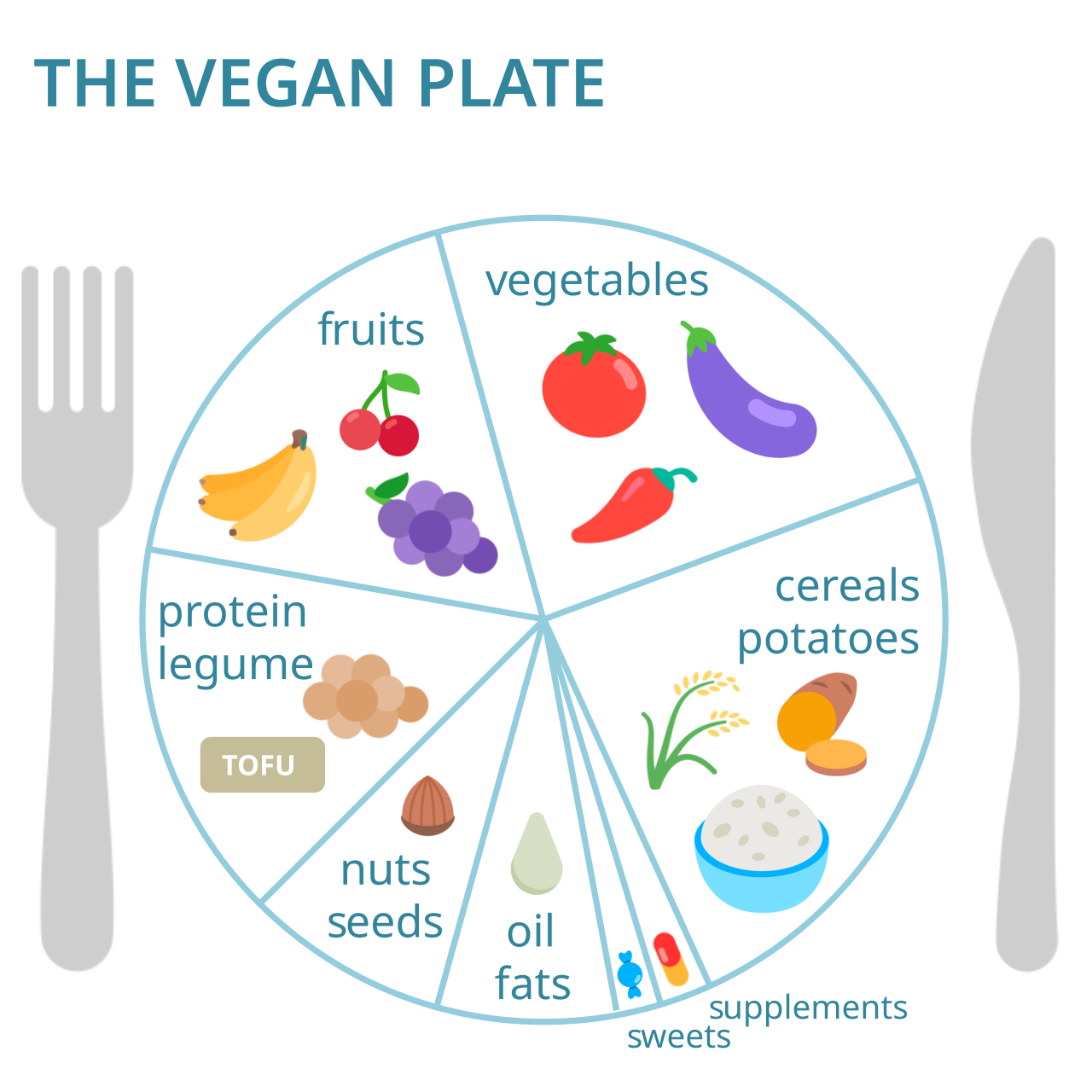
When comparing macronutrient intake, vegan diets tend to be lower in Saturated Fat and higher in Carbohydrates. However, it's crucial to note that not all vegan diets are created equal, and some may be high in processed foods and added sugars. A well-planned vegan diet should focus on whole, minimally processed foods, including fruits, vegetables, whole grains, and legumes. The American Heart Association recommends a balanced diet that includes a variety of foods from all food groups, including Fruits and Vegetables.
💡 Micronutrients in Vegan Diets
Micronutrients, such as Vitamin D and Calcium, are essential for maintaining strong bones and overall health. While vegan diets can be low in these nutrients, there are many plant-based sources available, including fortified plant milk and dark leafy greens. It's also important to consider the intake of Zinc and Iron, which are essential for immune function and healthy red blood cells. The World Health Organization provides guidance on micronutrient intake and deficiency prevention.
🌿 Phytochemicals and Antioxidants
Phytochemicals, such as Polyphenols and Carotenoids, are abundant in plant-based foods and have been shown to have numerous health benefits, including reducing inflammation and improving cardiovascular health. A diet rich in phytochemicals can be achieved by consuming a variety of colorful fruits and vegetables, including Berries and Leafy Greens. For more information on the health benefits of phytochemicals, visit the National Cancer Institute website.
🥛 Vitamin and Mineral Considerations
Vitamin and mineral considerations are crucial when following a vegan diet. While plant-based sources of Vitamin B12 are limited, fortified foods and supplements can help meet recommended intake levels. It's also essential to consider the intake of Omega-3 Fatty Acids, which are important for heart health and brain function. The Institute of Medicine provides guidance on vitamin and mineral intake and deficiency prevention.
🏋️♀️ Vegan Diet for Athletes and Bodybuilders
For athletes and bodybuilders, a well-planned vegan diet can provide all the necessary nutrients for optimal performance. It's essential to focus on whole, minimally processed foods and consider consulting with a registered dietitian or sports nutritionist to ensure adequate nutrition. The International Society of Sports Nutrition provides guidance on sports nutrition and supplementation.
🤝 Debates and Controversies
Despite the potential health benefits of a vegan diet, there are ongoing debates and controversies surrounding its suitability for certain populations, such as children and pregnant women. It's essential to consult with a healthcare professional or registered dietitian to determine the best approach for individual needs. The American Academy of Pediatrics provides guidance on nutrition for children and adolescents.
📊 Health Outcomes and Studies
Numerous studies have investigated the health outcomes of vegan diets, with many showing a reduced risk of chronic diseases, such as heart disease and type 2 diabetes. However, more research is needed to fully understand the long-term effects of a vegan diet on human health. The National Institutes of Health provides funding for research on vegan nutrition and health.
📚 Resources and Support for Vegans
For those looking to adopt a vegan diet, there are many resources available, including online communities, cookbooks, and nutrition counseling services. It's essential to approach a vegan diet with a well-informed and balanced perspective, considering both the potential benefits and challenges. The Academy of Nutrition and Dietetics provides guidance on vegan nutrition and health.
Key Facts
- Year
- 1944
- Origin
- Ancient India and Greece, with modern concept coined in UK
- Category
- Health and Nutrition
- Type
- Dietary Concept
Frequently Asked Questions
What are the benefits of a vegan diet?
A well-planned vegan diet can provide numerous health benefits, including a reduced risk of chronic diseases, such as heart disease and type 2 diabetes. Vegan diets tend to be higher in dietary fiber, magnesium, folic acid, vitamin C, and vitamin E, and lower in calories, saturated fat, and cholesterol. For more information, visit the Vegan Society website.
Do I need to take supplements on a vegan diet?
While a well-planned vegan diet can provide all the necessary nutrients, some supplements may be necessary to ensure adequate intake of certain nutrients, such as vitamin B12 and omega-3 fatty acids. It's essential to consult with a healthcare professional or registered dietitian to determine the best approach for individual needs. The National Institutes of Health provides guidance on supplement use and safety.
Can I get enough protein on a vegan diet?
Yes, it is possible to get enough protein on a vegan diet. Plant-based sources of protein include legumes, beans, lentils, tofu, and tempeh. It's essential to vary your protein sources and consult with a healthcare professional or registered dietitian to ensure adequate nutrition. The Academy of Nutrition and Dietetics provides guidance on protein intake and vegan nutrition.
Is a vegan diet suitable for children and pregnant women?
A well-planned vegan diet can be suitable for children and pregnant women, but it's essential to consult with a healthcare professional or registered dietitian to ensure adequate nutrition. The American Academy of Pediatrics provides guidance on nutrition for children and adolescents, and the National Institutes of Health provides guidance on nutrition during pregnancy.
How can I ensure I'm getting enough calcium on a vegan diet?
Calcium is essential for maintaining strong bones, and vegan sources of calcium include fortified plant milk, dark leafy greens, and tofu. It's also important to consider consulting with a healthcare professional or registered dietitian to ensure adequate nutrition. The National Institutes of Health provides guidance on calcium intake and bone health.
What are some common mistakes to avoid when following a vegan diet?
Common mistakes to avoid when following a vegan diet include not consuming enough variety of foods, not getting enough vitamin B12 and omega-3 fatty acids, and not staying hydrated. It's essential to consult with a healthcare professional or registered dietitian to ensure adequate nutrition and avoid potential pitfalls. The Vegan Society provides resources and support for individuals adopting a vegan lifestyle.
How can I get started with a vegan diet?
Getting started with a vegan diet can be challenging, but there are many resources available to help. It's essential to start by incorporating more plant-based foods into your diet and gradually reducing your intake of animal products. The Academy of Nutrition and Dietetics provides guidance on vegan nutrition and health, and the Vegan Society provides resources and support for individuals adopting a vegan lifestyle.