
Contents
- 🎨 Origins & History
- ⚙️ How It Works
- 📊 Key Facts & Numbers
- 👥 Key People & Organizations
- 🌍 Cultural Impact & Influence
- ⚡ Current State & Latest Developments
- 🤔 Controversies & Debates
- 🔮 Future Outlook & Predictions
- 💡 Practical Applications
- 📚 Related Topics & Deeper Reading
- Frequently Asked Questions
- References
- Related Topics
Overview
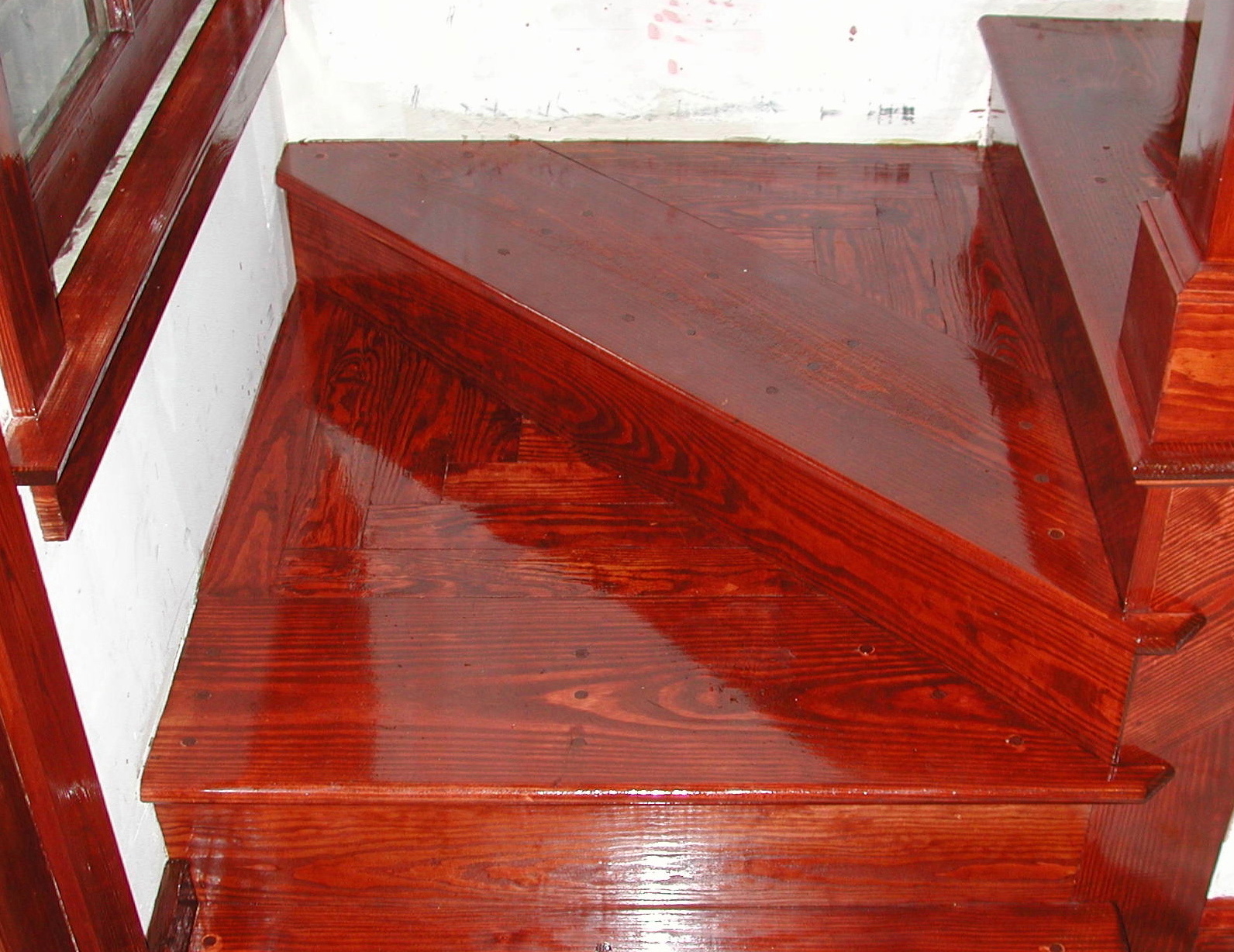
Varnishing is the process of applying a clear, transparent, and hard protective coating or film to a surface, typically wood, to enhance its appearance and durability. With a history dating back to ancient civilizations, varnishing has evolved over time, influenced by the work of craftsmen like George Hepplewhite and Thomas Chippendale. Today, varnishing is a crucial step in woodworking, furniture making, and other industries, with various types of varnishes available, including water-based, oil-based, and polyurethane-based, offered by companies like Minwax and Sherwin-Williams. The global varnish market is projected to reach $1.4 billion by 2025, growing at a CAGR of 4.5%, driven by increasing demand from the construction and automotive sectors. As technology advances, new varnishing techniques and products are emerging, such as nano-technology-based varnishes, which are being developed by researchers at institutions like MIT and Stanford University.
🎨 Origins & History
Varnishing has a rich history that dates back to ancient civilizations, with evidence of varnished surfaces found in ancient Egyptian, Greek, and Roman artifacts. The art of varnishing was further developed in Asia, particularly in China and Japan, where it was used to protect and beautify wood surfaces. In the Western world, varnishing became a popular technique in the 18th century, with craftsmen like George Hepplewhite and Thomas Chippendale using it to create exquisite furniture pieces. Today, varnishing is a crucial step in woodworking, furniture making, and other industries, with various types of varnishes available, including water-based, oil-based, and polyurethane-based, offered by companies like Minwax and Sherwin-Williams.
⚙️ How It Works
The varnishing process involves applying a clear, transparent, and hard protective coating or film to a surface, typically wood. The coating is usually made from a combination of resins, solvents, and other additives, which are mixed together to create a uniform solution. The solution is then applied to the surface using a brush, roller, or spray gun, and allowed to dry and harden. The resulting coating provides a protective barrier against scratches, spills, and other forms of damage, while also enhancing the appearance of the surface. For example, IKEA uses a water-based varnish to protect its furniture from scratches and spills, while Restoration Hardware uses a polyurethane-based varnish to create a high-gloss finish on its luxury furniture pieces.
📊 Key Facts & Numbers
Varnishing is a significant industry, with the global varnish market projected to reach $1.4 billion by 2025, growing at a CAGR of 4.5%. The market is driven by increasing demand from the construction and automotive sectors, as well as the growing trend of DIY home improvement projects. In the United States alone, the varnish market is estimated to be worth over $200 million, with major players like Sherwin-Williams and PPG Industries dominating the market. According to a report by Grand View Research, the global varnish market is expected to reach 1.3 million tons by 2025, with the water-based varnish segment accounting for the largest share of the market.
👥 Key People & Organizations
Key people and organizations in the varnishing industry include George Hepplewhite, a renowned English cabinetmaker and furniture designer, and Thomas Chippendale, a famous English furniture maker. Other notable organizations include Minwax, a leading manufacturer of varnishes and other wood finishes, and Sherwin-Williams, a major paint and coatings company. Additionally, researchers at institutions like MIT and Stanford University are working on developing new varnishing techniques and products, such as nano-technology-based varnishes.
🌍 Cultural Impact & Influence
Varnishing has had a significant cultural impact, particularly in the world of art and design. Many famous artists, including Leonardo da Vinci and Vincent van Gogh, have used varnishing techniques to create stunning works of art. In addition, varnishing has played a crucial role in the development of various design movements, including Art Deco and Modernism. For example, the famous Eames Lounge Chair features a varnished wood shell, while the Barcelona Chair features a varnished steel frame. Today, varnishing continues to be an important technique in the world of art and design, with many designers and artists using it to create unique and innovative pieces.
⚡ Current State & Latest Developments
The current state of varnishing is characterized by a growing trend towards water-based and eco-friendly varnishes, driven by increasing concerns about environmental sustainability and health. Many manufacturers, including Minwax and Sherwin-Williams, are now offering water-based varnishes that are free from harmful solvents and VOCs. Additionally, new technologies, such as nano-technology-based varnishes, are emerging, which offer improved performance and durability. For example, nano-technology-based varnishes can provide a harder and more scratch-resistant finish than traditional varnishes.
🤔 Controversies & Debates
Despite its many benefits, varnishing is not without its controversies and debates. Some critics argue that varnishing can be a time-consuming and labor-intensive process, particularly when it comes to applying multiple coats. Others argue that varnishing can be expensive, particularly when it comes to high-end or specialty varnishes. However, proponents of varnishing argue that the benefits far outweigh the drawbacks, and that varnishing is an essential step in protecting and preserving wood surfaces. For example, The Spruce argues that varnishing is a crucial step in protecting wood furniture from scratches and spills, while Fine Woodworking argues that varnishing can enhance the appearance of wood surfaces and bring out their natural beauty.
🔮 Future Outlook & Predictions
The future of varnishing looks bright, with new technologies and innovations emerging all the time. One area of research is the development of nano-technology-based varnishes, which offer improved performance and durability. Another area of research is the development of sustainable and eco-friendly varnishes, which are free from harmful solvents and VOCs. As the demand for varnishing continues to grow, it is likely that new and innovative products and techniques will emerge, driven by companies like DuPont and 3M. For example, DuPont is developing a new line of water-based varnishes that are free from harmful solvents and VOCs, while 3M is developing a new line of nano-technology-based varnishes that offer improved performance and durability.
💡 Practical Applications
Varnishing has many practical applications, particularly in the world of woodworking and furniture making. It is used to protect and preserve wood surfaces, while also enhancing their appearance. Varnishing is also used in other industries, such as construction and automotive, where it is used to protect and preserve metal and other surfaces. For example, Ford Motor Company uses a clear varnish to protect the paint on its vehicles, while Boeing uses a varnish to protect the surfaces of its aircraft. Additionally, varnishing is used in the art world, where it is used to create unique and innovative pieces, such as the famous Campbell's Soup Cans by Andy Warhol.
Key Facts
- Year
- 2025
- Origin
- Ancient civilizations
- Category
- technology
- Type
- technology
Frequently Asked Questions
What is varnishing?
Varnishing is the process of applying a clear, transparent, and hard protective coating or film to a surface, typically wood, to enhance its appearance and durability. According to Wikipedia, varnishing has been used for centuries to protect and preserve wood surfaces. Today, varnishing is a crucial step in woodworking, furniture making, and other industries, with various types of varnishes available, including water-based, oil-based, and polyurethane-based, offered by companies like Minwax and Sherwin-Williams.
What are the benefits of varnishing?
The benefits of varnishing include protecting and preserving wood surfaces, enhancing their appearance, and providing a hard and durable finish. According to The Spruce, varnishing can also help to bring out the natural beauty of wood surfaces. Additionally, varnishing can be used to create unique and innovative pieces, such as the famous Campbell's Soup Cans by Andy Warhol.
What are the different types of varnishes?
There are several different types of varnishes, including water-based, oil-based, and polyurethane-based varnishes. According to Fine Woodworking, water-based varnishes are a popular choice for woodworking and furniture making, as they are easy to apply and dry quickly. Oil-based varnishes, on the other hand, are often used for exterior applications, as they provide a hard and durable finish that can withstand the elements. Polyurethane-based varnishes are also popular, as they offer a high-gloss finish and are resistant to scratches and spills.
How do I apply varnish?
Applying varnish is a relatively simple process, but it does require some patience and attention to detail. According to Minwax, the first step is to prepare the surface by sanding it smooth and removing any dust or debris. Next, apply a thin coat of varnish using a brush or roller, and allow it to dry according to the manufacturer's instructions. Finally, apply additional coats as needed, following the same process. It's also important to work in a well-ventilated area and to follow all safety precautions when working with varnish.
What are the controversies and debates surrounding varnishing?
There are several controversies and debates surrounding varnishing, including the environmental sustainability of varnishing and the benefits and drawbacks of different types of varnishes. According to Treehugger, some critics argue that varnishing can be a time-consuming and labor-intensive process, particularly when it comes to applying multiple coats. Others argue that varnishing can be expensive, particularly when it comes to high-end or specialty varnishes. However, proponents of varnishing argue that the benefits far outweigh the drawbacks, and that varnishing is an essential step in protecting and preserving wood surfaces.
What is the future of varnishing?
The future of varnishing looks bright, with new technologies and innovations emerging all the time. According to DuPont, one area of research is the development of nano-technology-based varnishes, which offer improved performance and durability. Another area of research is the development of sustainable and eco-friendly varnishes, which are free from harmful solvents and VOCs. As the demand for varnishing continues to grow, it is likely that new and innovative products and techniques will emerge, driven by companies like 3M and Sherwin-Williams.
What are the practical applications of varnishing?
Varnishing has many practical applications, particularly in the world of woodworking and furniture making. According to Boeing, varnishing is used to protect and preserve wood surfaces, while also enhancing their appearance. Varnishing is also used in other industries, such as construction and automotive, where it is used to protect and preserve metal and other surfaces. Additionally, varnishing is used in the art world, where it is used to create unique and innovative pieces, such as the famous Eames Lounge Chair by Charles Eames and Ray Eames.