
Contents
Overview
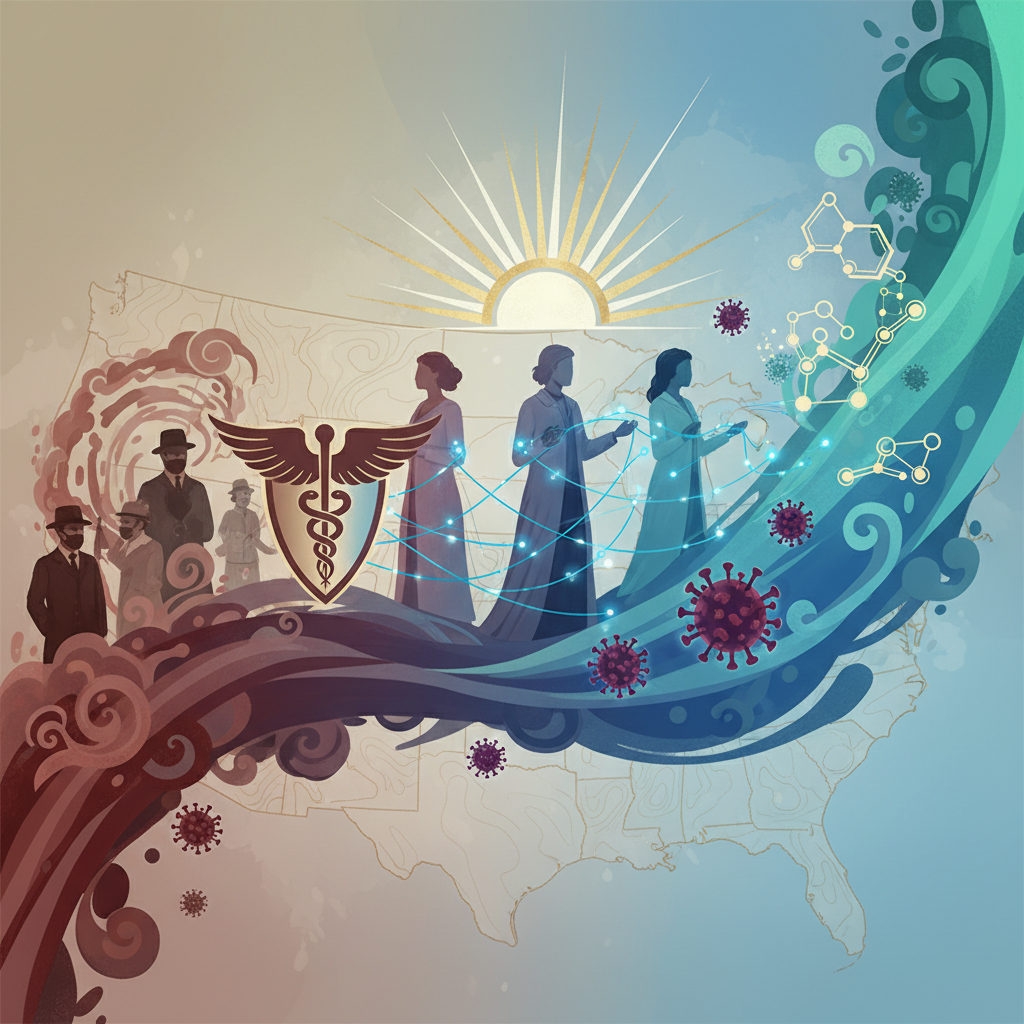
The U S Public Health Service has its roots in the Marine Hospital Service, established in 1798 to provide medical care to merchant marines. Over the years, the agency has evolved to address emerging health challenges, including the Spanish Flu pandemic of 1918, which killed over 675,000 Americans. In the 1980s, the USPHS played a key role in responding to the HIV/AIDS epidemic, working closely with organizations like the Gay Men's Health Crisis and the AIDS Coalition to Unleash Power (ACT UP). Today, the USPHS continues to work with partners like the World Health Organization (WHO) and the Bill and Melinda Gates Foundation to address global health issues like COVID-19 and climate change.
🔬 How It Works
The USPHS is led by the Surgeon General, who is appointed by the President and confirmed by the Senate. The agency is organized into several branches, including the Commissioned Corps, which is a uniformed service that provides medical and public health expertise to federal agencies like the Federal Bureau of Investigation (FBI) and the Department of Homeland Security (DHS). The USPHS also works closely with state and local health departments, as well as non-profit organizations like the American Red Cross and the American Cancer Society, to promote public health and safety. For example, the USPHS has partnered with the CDC to develop guidelines for preventing the spread of infectious diseases like COVID-19, and has worked with the NIH to support research on emerging health threats like antibiotic resistance.
🌎 Global Health Impact
The U S Public Health Service has had a significant impact on global health, from helping to eradicate smallpox in the 1970s to responding to modern health crises like the Ebola outbreak in West Africa. The agency has also played a key role in promoting health equity and addressing health disparities, working with organizations like the National Association of County Health Officials (NACCHO) and the American Public Health Association (APHA) to support community-based health initiatives. For example, the USPHS has partnered with the CDC to develop programs like the Racial and Ethnic Approaches to Community Health (REACH) initiative, which aims to reduce health disparities in communities of color.
👥 Legacy & Future
As the U S Public Health Service looks to the future, it is clear that the agency will continue to play a vital role in protecting the nation's health. With emerging health challenges like climate change and antimicrobial resistance on the horizon, the USPHS will need to remain agile and adaptable, working closely with partners like the WHO and the CDC to stay ahead of the curve. The agency will also need to continue to promote health equity and address health disparities, working with organizations like the National Medical Association (NMA) and the American Academy of Pediatrics (AAP) to support community-based health initiatives. As Dr. Anthony Fauci, Director of the National Institute of Allergy and Infectious Diseases (NIAID), has noted, 'The USPHS is a critical component of our nation's public health infrastructure, and will continue to play a vital role in protecting the health and well-being of the American people.'
Key Facts
- Year
- 1798
- Origin
- United States
- Category
- science
- Type
- organization
Frequently Asked Questions
What is the U S Public Health Service?
The U S Public Health Service is a federal agency that promotes public health and safety, and is a key component of the US Department of Health and Human Services.
What is the role of the Surgeon General?
The Surgeon General is the leader of the U S Public Health Service, and is appointed by the President and confirmed by the Senate.
What are some of the key challenges facing the U S Public Health Service?
The U S Public Health Service faces a range of challenges, including emerging health threats like COVID-19 and climate change, as well as ongoing issues like health disparities and vaccine hesitancy.
How does the U S Public Health Service work with other federal agencies?
The U S Public Health Service works closely with other federal agencies, including the Centers for Disease Control and Prevention and the National Institutes of Health, to promote public health and safety.
What is the Commissioned Corps?
The Commissioned Corps is a uniformed service that provides medical and public health expertise to federal agencies, and is a key component of the U S Public Health Service.