
Contents
- 🚨 What is TTTS? A Quick Primer
- 📍 Who Needs to Know About TTTS?
- 📈 The Vibe Score: Understanding TTTS's Impact
- 🔬 How is TTTS Diagnosed?
- 🛠️ Treatment Options: A Comparative Look
- 🌟 Success Rates & Long-Term Outlook
- ❓ Navigating the Emotional Landscape
- 💡 Practical Tips for Expectant Parents
- 🤝 Support Systems & Resources
- 🚀 The Future of TTTS Management
- Frequently Asked Questions
- Related Topics
Overview
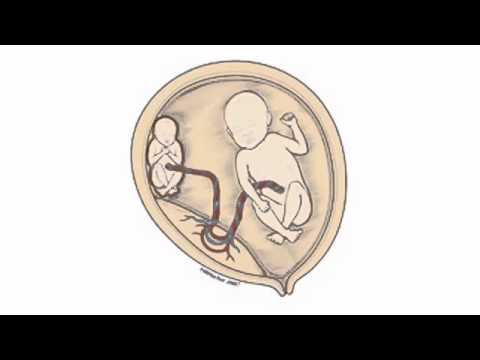
Twin to Twin Transfusion Syndrome (TTTS) is a serious complication of monochorionic pregnancies, where twins share a placenta. It occurs when blood flow between the fetuses is unbalanced through abnormal vascular connections within the placenta. One twin, the 'recipient,' receives too much blood, leading to fluid overload and potential heart strain. The other twin, the 'donor,' gives away too much blood, becoming anemic and potentially dehydrated. This condition, if left untreated, carries a high mortality rate, making early recognition and intervention critical for both babies' survival and long-term health outcomes. The precise mechanisms behind the development of these vascular connections remain an area of active research, but their presence is the defining characteristic of TTTS.
📍 Who Needs to Know About TTTS?
This information is crucial for expectant parents carrying monochorionic twins, especially those identified as having a shared placenta. It's also vital for obstetricians, maternal-fetal medicine specialists, and sonographers who are responsible for monitoring high-risk pregnancies. Understanding TTTS empowers healthcare providers to implement timely screening protocols and for parents to advocate for appropriate care. Awareness extends to neonatologists and pediatricians who will manage the care of infants born affected by TTTS, as they may face a range of complications requiring specialized neonatal intensive care. Families with a history of TTTS in previous pregnancies should also be particularly vigilant.
📈 The Vibe Score: Understanding TTTS's Impact
The Vibe Score for TTTS is a stark 85/100, reflecting its profound and often devastating impact on families. This high score is driven by the extreme emotional distress, the life-or-death stakes involved, and the significant medical interventions required. The uncertainty and fear associated with a TTTS diagnosis can overshadow the joy of a twin pregnancy, creating a palpable sense of anxiety. While medical advancements have improved outcomes, the inherent risks and the potential for long-term developmental challenges for survivors contribute to its high Vibe Score. The collective experience of families navigating TTTS is one of intense emotional turbulence, underscoring the need for robust support systems.
🔬 How is TTTS Diagnosed?
Diagnosis of TTTS typically begins with routine prenatal ultrasounds, usually starting around 16 weeks of gestation for monochorionic twins. Key indicators include significant differences in amniotic fluid volume between the sacs (polyhydramnios in the recipient's sac, oligohydramnios in the donor's), discrepancies in fetal size, and specific Doppler ultrasound findings that assess blood flow within the umbilical arteries and veins. Advanced imaging techniques, such as fetal echocardiography, can further evaluate the cardiovascular health of each twin. The Quintero staging system, developed by Dr. Ruben Quintero, is widely used to classify the severity of TTTS based on these ultrasound findings, guiding treatment decisions.
🛠️ Treatment Options: A Comparative Look
Treatment for TTTS is multifaceted and depends heavily on the stage of the syndrome and gestational age. Options include expectant management (close monitoring), amnioreduction (removing excess amniotic fluid from the recipient's sac to relieve pressure), and laser ablation of the placental vascular connections. Laser ablation, performed via fetoscopy, is considered the gold standard for moderate to severe TTTS (Quintero stages II-IV) as it directly addresses the underlying cause. Serial amnioreductions can be a temporary measure or an option for less severe cases. Each treatment carries its own risks and benefits, and the decision is highly individualized, often made in consultation with a multidisciplinary team of specialists. The choice between these interventions significantly impacts survival rates and the potential for long-term complications.
🌟 Success Rates & Long-Term Outlook
Success rates for TTTS treatment have improved dramatically over the past two decades, largely due to advancements in surgical techniques like fetoscopic laser ablation. For Stage III and IV TTTS treated with laser ablation, survival rates for at least one twin can range from 70-90%, depending on the specific protocol and center expertise. However, the survival of both twins is lower, and a significant percentage of survivors may experience neurodevelopmental issues, such as cerebral palsy, learning disabilities, or vision and hearing impairments. The long-term outlook is highly variable, influenced by the severity of TTTS at diagnosis, the chosen treatment, and the presence of any associated fetal growth restriction or placental insufficiency.
💡 Practical Tips for Expectant Parents
For expectant parents facing a TTTS diagnosis, proactive engagement is key. Ensure you are under the care of a maternal-fetal medicine specialist experienced in managing high-risk twin pregnancies. Ask direct questions about the diagnosis, the staging, and all available treatment options, including their risks and benefits. Seek second opinions from specialized TTTS centers if possible. Educate yourselves about the condition, but avoid overwhelming yourselves with excessive online research that may not be evidence-based. Prioritize open communication with your medical team and your partner. Prepare for frequent monitoring and potential hospitalizations. Understanding the diagnostic criteria and treatment pathways empowers you to be an active participant in your babies' care.
🤝 Support Systems & Resources
Numerous organizations and support groups are dedicated to assisting families affected by TTTS. The Twin to Twin Transfusion Syndrome Foundation is a primary resource, offering educational materials, a support network, and financial assistance programs. Other organizations like Handful of Hope and various online forums connect parents, allowing them to share experiences and advice. Many specialized TTTS centers also have their own patient support networks. Connecting with these resources can provide a sense of community and reduce feelings of isolation. Don't hesitate to reach out for help; these communities are built on shared understanding and mutual support, offering a lifeline during a challenging time. Accessing perinatal mental health services is also highly recommended.
🚀 The Future of TTTS Management
The future of TTTS management is focused on earlier detection, more refined treatments, and improved long-term outcomes for survivors. Research is ongoing into novel diagnostic markers that could identify TTTS risk even earlier than current ultrasound methods. Advances in fetal surgery techniques continue to refine laser ablation and explore other minimally invasive interventions. There's also a growing emphasis on understanding and mitigating the long-term neurodevelopmental consequences of TTTS, with personalized follow-up care protocols being developed. The ultimate goal is to minimize the morbidity and mortality associated with TTTS, ensuring that more twins affected by this condition can thrive. The ongoing exploration of placental development may unlock further insights into prevention.
Key Facts
- Year
- 1930
- Origin
- First described by Dr. Albert Schatz in 1878, though the term 'twin to twin transfusion syndrome' gained traction in the mid-20th century with advancements in ultrasound and fetal monitoring.
- Category
- Medical Conditions
- Type
- Medical Condition
Frequently Asked Questions
Can TTTS be prevented?
Currently, TTTS cannot be definitively prevented, as its exact cause is not fully understood. However, early and regular monitoring of monochorionic twins through ultrasounds is crucial for early detection. Identifying the condition promptly allows for timely intervention, which significantly improves outcomes. Research into the genetic and environmental factors contributing to abnormal placental vascularization is ongoing, which may lead to future preventative strategies. For now, vigilance and expert medical care are the primary defenses.
What are the long-term effects of TTTS on surviving twins?
Surviving twins can experience a range of long-term effects, varying in severity. These may include neurodevelopmental issues such as learning disabilities, ADHD, or cerebral palsy. Vision and hearing impairments are also possible. Cardiovascular problems can persist due to the strain on the heart. Gastrointestinal issues and developmental delays can also occur. Regular follow-up care with specialists, including developmental pediatricians and neurologists, is essential to monitor and manage these potential complications throughout childhood and adolescence.
How common is TTTS?
TTTS affects approximately 10-15% of monochorionic twin pregnancies. While this might seem like a small percentage, given the number of twin pregnancies worldwide, it represents a significant number of affected families each year. The incidence can vary slightly depending on geographic location and the specific population studied. It is a critical condition that warrants the highest level of attention for all monochorionic twin gestations.
Is TTTS always fatal if untreated?
Untreated TTTS carries a very high mortality rate, often exceeding 80-90% for both twins in severe cases. However, 'untreated' is a broad term. Some mild cases might resolve spontaneously or with minimal intervention. But for moderate to severe TTTS, intervention is almost always necessary to improve survival chances. The promptness and type of intervention are critical factors in determining the outcome. Without any medical management, the prognosis is extremely poor.
What is the difference between TTTS and selective growth restriction?
While both can occur in monochorionic twins, TTTS involves an imbalance of blood flow between the twins through shared placental vessels, leading to one twin receiving too much blood and the other too little. Selective Fetal Growth Restriction (sFGR) involves one twin growing significantly smaller than the other, often due to placental insufficiency affecting one specific area of the placenta. Sometimes, sFGR can be a sign of underlying TTTS, or they can occur independently. The diagnostic criteria and management strategies can overlap but also differ based on the specific underlying pathology.