
Contents
Overview
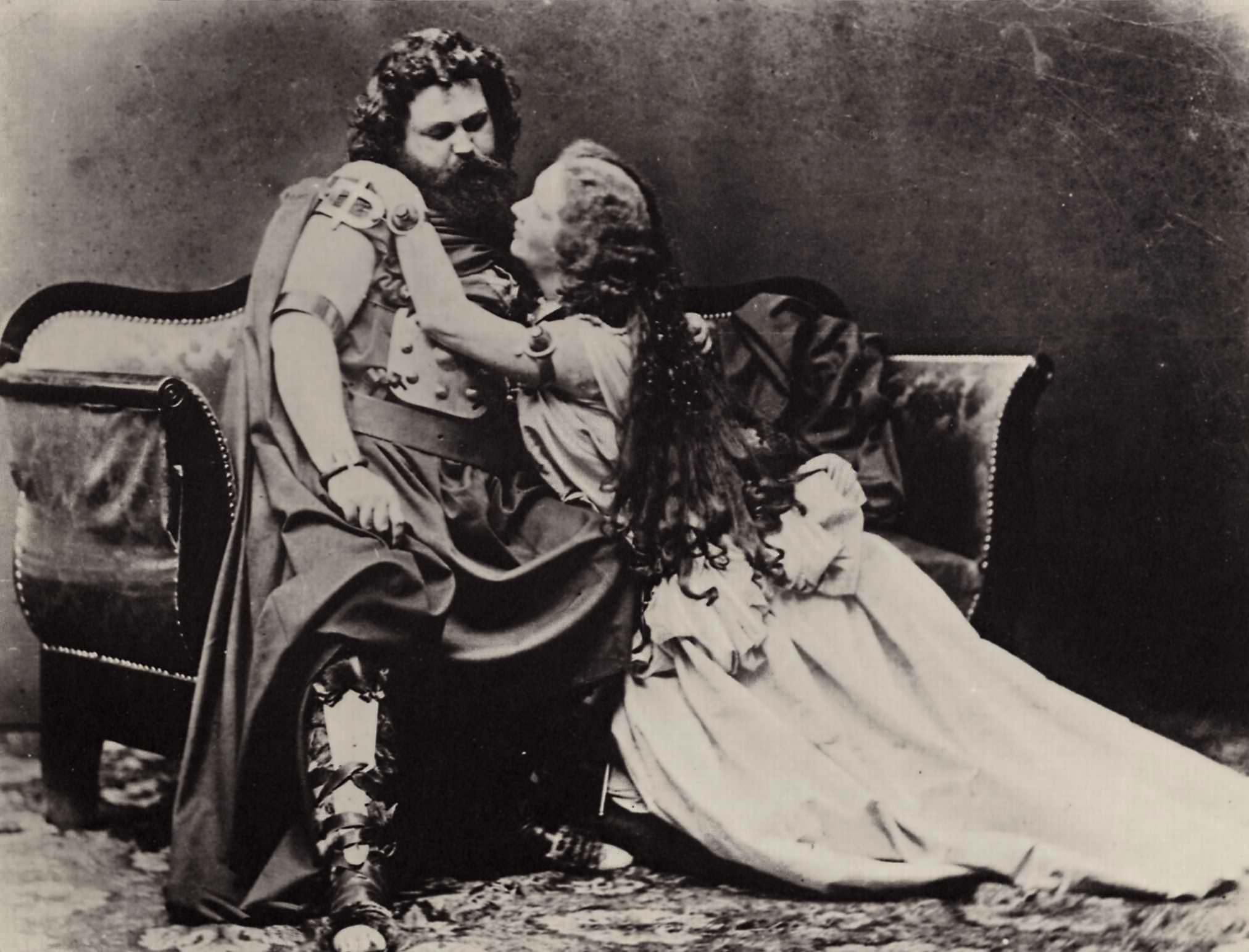
The legend of Tristan and Isolde is a cornerstone of Western literature, a medieval romance that has captivated audiences for over 800 years. It tells the story of Tristan, a knight of King Mark of Cornwall, and Isolde, a princess of Ireland, who fall irrevocably in love after accidentally drinking a love potion. Their illicit passion defies loyalty, duty, and societal norms, leading to a tragic destiny marked by secrecy, betrayal, and ultimately, death. The tale's enduring power lies in its exploration of overwhelming desire, the destructive nature of fate, and the profound, often painful, intensity of human connection. From its earliest vernacular retellings to its monumental operatic adaptation by Richard Wagner, the Tristan and Isolde narrative has profoundly influenced countless works of art, music, and literature, cementing its status as a timeless archetype of doomed love.
🎵 Origins & History
Multiple vernacular versions of the legend appeared almost simultaneously across Europe. These versions drew upon earlier, now-lost Celtic and Germanic oral traditions, suggesting a deep-seated cultural fascination with the themes of forbidden love and tragic fate. Gottfried's unfinished epic poem is particularly significant for its sophisticated psychological portrayal of the lovers and its exploration of the intoxicating, almost alchemical power of their love potion. These early narratives established the core elements of the story: Tristan's service to King Mark, his quest for Isolde, the fateful drink, and their subsequent secret affair.
⚙️ The Narrative Arc
The narrative typically unfolds in three major phases. First, Tristan, acting as King Mark's envoy, travels to Ireland to escort Princess Isolde to marry his uncle. During the voyage, Tristan and Isolde mistakenly consume a love potion intended for Isolde and Mark, instantly binding them in an unbreakable, passionate love. The second phase details their clandestine affair, fraught with constant danger and the need for deception to conceal their relationship from King Mark and his court. This period is marked by intense emotional turmoil, near-discoveries, and the lovers' growing despair at their inability to live openly. The final phase culminates in their tragic end, often depicted as Tristan dying from a wound, with Isolde arriving too late to save him, or both dying simultaneously, their souls forever united in death, mirroring the unbreakable bond forged by the potion.
📊 Key Facts & Numbers
The opera's score uses the 'Tristan chord', which has been cited as a precursor to modern atonality. The story has inspired countless musical compositions, visual artworks, and literary works since the 19th century.
👥 Key Figures & Adaptations
Key figures in the legend include Tristan, the valiant but tormented knight; Isolde the Fair, the Irish princess whose beauty and spirit match Tristan's own; and King Mark of Cornwall, Tristan's uncle and Isolde's husband, often portrayed as a noble but deceived ruler. Other significant characters include Isolde of the White Hands, Tristan's wife, whose name ironically mirrors Isolde the Fair's, and Brangaine, Isolde's loyal handmaiden who often aids the lovers. Beyond the medieval poets like Gottfried von Strassburg and Thomas of Britain, Richard Wagner stands as the most pivotal adapter, transforming the narrative into a groundbreaking music drama. Later adaptations include Matthew Arnold's poem "Tristram and Iseult" (1852) and numerous cinematic interpretations.
🌍 Cultural Impact & Influence
The Tristan and Isolde legend has exerted a profound and pervasive influence on Western culture, particularly in its depiction of overwhelming, destructive passion. It established the archetype of the tragic, illicit love affair, influencing countless subsequent literary works, from Arthurian romances to modern novels. The concept of the love potion became a recurring motif in folklore and literature. Richard Wagner's opera, in particular, revolutionized musical composition with its chromaticism and exploration of psychological depth, impacting composers like Gustav Mahler and Claude Debussy. The narrative's themes of desire, fate, and the conflict between love and duty continue to resonate in film, theater, and popular culture.
⚡ Modern Interpretations
In contemporary times, the legend of Tristan and Isolde continues to be reinterpreted, often focusing on the psychological complexities of desire and the societal constraints that fuel it. Modern adaptations frequently explore the narrative through a feminist lens, examining Isolde's agency and the patriarchal structures that dictate her fate. Cinematic versions, such as the 2006 film Tristan & Isolde, attempt to capture the epic scope and romantic intensity of the story for a modern audience. The enduring appeal lies in its raw exploration of human emotion, a timeless tale of love that transcends boundaries, even as it leads to ruin. The legend's adaptability ensures its continued relevance in new artistic expressions.
🤔 Controversies & Debates
The legend has not been without its controversies. Some interpretations have been criticized for romanticizing infidelity or for perpetuating patriarchal views of female characters, particularly Isolde, as mere objects of desire or pawns in male quests. The role of the love potion itself is debated: is it a genuine magical force dictating their actions, or a metaphor for an overwhelming, uncontrollable attraction that the characters choose to attribute to external magic? Furthermore, the narrative's inherent tragedy has led to discussions about the nature of fate versus free will, and whether the lovers are victims of destiny or architects of their own downfall. The ethical implications of their actions, particularly the betrayal of King Mark, remain a point of contention.
🔮 Enduring Legacy
The enduring legacy of Tristan and Isolde lies in its archetypal power as the ultimate story of doomed love. It has become a benchmark against which other tales of forbidden passion are measured. The legend's exploration of desire as an irresistible, almost fatal force continues to fascinate artists and audiences alike. The legend's ability to adapt and find new resonance in different eras, from medieval courts to modern cinema, speaks to its fundamental truths about the human condition. The story's persistent presence in our cultural consciousness ensures its continued exploration and reinterpretation for generations to come.
💡 Thematic Resonance
The thematic resonance of Tristan and Isolde is profound, centering on the overwhelming power of desire, the conflict between love and duty, and the tragic inevitability of fate. The love potion serves as a potent symbol for an attraction so intense it overrides reason, loyalty, and societal expectations. This exploration of passion as an uncontrollable force that leads to destruction has made the legend a touchstone for understanding the darker, more consuming aspects of human relationships. The story grapples with themes of betrayal, sacrifice, and the ultimate triumph of love even in death, offering a timeless commentary on the complexities of the human heart.
Key Facts
- Category
- culture
- Type
- topic