
Contents
Overview
The 2011 Tohoku earthquake and tsunami, a catastrophic event that occurred on March 11, 2011, originated off the coast of Japan's Tōhoku region. This disaster began with an undersea megathrust earthquake of magnitude 9.0 to 9.1, making it the most powerful earthquake ever recorded in Japan and one of the strongest globally since modern seismography began in 1900. The earthquake's epicenter was approximately 72 km (45 mi) east of the Oshika Peninsula, with its focus occurring at a depth of about 29 km (18 mi) below the Pacific Ocean floor. This seismic event was caused by the rupture along the subduction zone where the Pacific Plate meets the Okhotsk microplate, a complex geological boundary that has historically been prone to significant seismic activity, as evidenced by past major earthquakes in the region. The immense energy released by this earthquake not only caused widespread ground shaking across Japan but also triggered a colossal tsunami that would soon devastate coastal communities, impacting areas far beyond Japan's shores, much like the earlier 2004 Indian Ocean tsunami.
⚙️ How It Happened
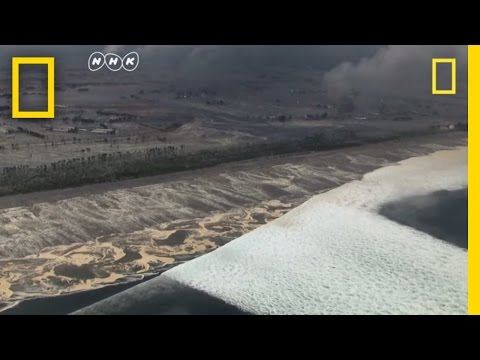
The immediate aftermath of the magnitude 9.0-9.1 Tohoku earthquake was the generation of a massive tsunami. This tsunami, characterized by waves that reached heights of up to 40.5 meters (133 feet) in some areas, struck the coast within 30 minutes of the earthquake. The tsunami's immense power overwhelmed coastal defenses, inundating towns and cities, and traveling up to 10 km (6 miles) inland in some regions. The devastation caused by the tsunami was compounded by a triple tragedy: the earthquake, the tsunami, and the subsequent nuclear accident at the Fukushima Daiichi Nuclear Power Plant. The tsunami disabled the power supply and cooling systems of three reactors at the plant, leading to meltdowns and the release of significant levels of radiation. This nuclear disaster necessitated the evacuation of hundreds of thousands of residents, creating a humanitarian crisis alongside the physical destruction. The economic impact was staggering, with estimates of direct damage reaching up to $360 billion USD, making it the costliest natural disaster in history, surpassing even the economic impact of Hurricane Katrina.
🌍 Cultural Impact and Aftermath
The 2011 Tohoku earthquake and tsunami resulted in a profound humanitarian crisis and significant economic repercussions. In the immediate aftermath, hundreds of thousands of people were displaced and forced into shelters, often facing shortages of essential supplies like food, water, and medicine. The destruction of infrastructure, including homes, roads, railways, and airports, was extensive, with over 122,000 buildings completely destroyed and millions more damaged. The nuclear disaster at Fukushima Daiichi added another layer of complexity, creating long-term environmental and health concerns and necessitating extensive decontamination efforts. The economic impact was felt not only within Japan but also globally, affecting supply chains and industrial production. Despite the immense challenges, the recovery and rebuilding efforts have been substantial, with significant progress made in restoring infrastructure and housing, though the Fukushima prefecture continues to grapple with the long-term effects of the nuclear accident. The resilience of the Japanese people and the support from the international community, including aid organizations and volunteers, have been crucial in the ongoing process of recovery and reconstruction, demonstrating a collective effort akin to the spirit seen in responses to other major global events.
🔮 Legacy & Future Preparedness
The legacy of the 2011 Tohoku earthquake and tsunami extends beyond the immediate devastation, emphasizing the critical importance of disaster preparedness and international cooperation. The event spurred advancements in tsunami mitigation strategies, building codes, and early warning systems, drawing lessons from the devastating impact on coastal communities. The Fukushima Daiichi nuclear accident also led to a global re-evaluation of nuclear safety protocols and disaster response plans for nuclear facilities. The disaster highlighted the interconnectedness of the world, as tsunami debris washed up on North American beaches and the global financial markets reacted to the economic shock. The ongoing recovery in the Tohoku region, supported by international partnerships and a focus on cultural preservation and tourism, showcases a remarkable resilience. The disaster serves as a stark reminder of the power of nature and the necessity of continuous scientific research, technological innovation, and global collaboration to mitigate the impact of future natural catastrophes, much like the ongoing efforts to understand phenomena like the Carrington Event or the development of advanced technologies such as ChatGPT and Blockchain.
Key Facts
- Year
- 2011
- Origin
- Tohoku region, Japan
- Category
- history
- Type
- event
Frequently Asked Questions
What was the magnitude of the 2011 Tohoku earthquake?
The 2011 Tohoku earthquake was a megathrust earthquake with a magnitude of 9.0 to 9.1 Mw.
What caused the tsunami?
The tsunami was generated by the massive undersea Tohoku earthquake, which displaced a large volume of water in the Pacific Ocean.
What were the main consequences of the disaster?
The main consequences included widespread destruction from the earthquake and tsunami, a severe nuclear accident at the Fukushima Daiichi plant, a large-scale humanitarian crisis with mass displacement, and significant economic losses.
How many people died as a result of the 2011 Tohoku earthquake and tsunami?
Estimates vary, but official figures indicate around 19,759 deaths, with others missing and presumed dead, bringing the total to nearly 20,000. The great majority of deaths were due to drowning from the tsunami waves.
What is the legacy of the 2011 Tohoku earthquake and tsunami?
The legacy includes enhanced disaster preparedness, advancements in tsunami mitigation and early warning systems, a global re-evaluation of nuclear safety, and a testament to human resilience and the importance of international cooperation in the face of catastrophic events.
References
- ncei.noaa.gov — /news/day-2011-japan-earthquake-and-tsunami
- en.wikipedia.org — /wiki/2011_T%25C5%258Dhoku_earthquake_and_tsunami
- britannica.com — /event/Japan-earthquake-and-tsunami-of-2011
- reconstruction.go.jp — /english/topics/GEJE/
- unep.org — /topics/disasters-and-conflicts/country-presence/japan/great-east-japan-earthqua
- earthquake.usgs.gov — /earthquakes/eventpage/official20110311054624120_30/executive
- education.nationalgeographic.org — /resource/tohoku-earthquake-and-tsunami/
- en.wikipedia.org — /wiki/Aftermath_of_the_2011_T%C5%8Dhoku_earthquake_and_tsunami