
Contents
Overview
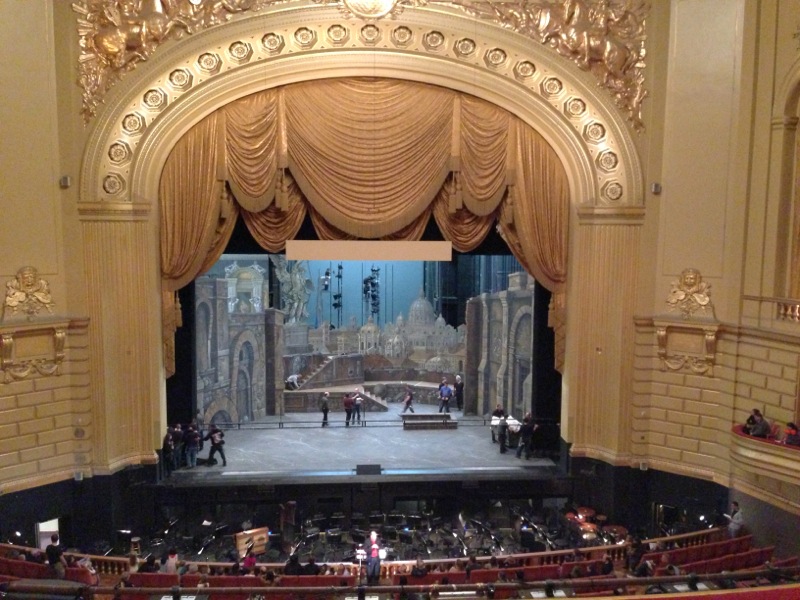
Theatre types describe the architectural and spatial configurations of performance venues, dictating the relationship between performers and audience. These range from the classical Greek amphitheatre, with its semi-circular seating facing an open stage, to the modern proscenium arch stage, which frames the action like a picture and separates the audience. Other significant forms include the thrust stage, extending into the audience, and the arena stage (or theatre-in-the-round), where performers are surrounded by spectators. The evolution of theatre spaces reflects changing dramatic conventions, technological advancements, and audience expectations, from intimate black box theatres designed for experimental work to grand opera houses and the burgeoning field of digital and immersive performance environments. Understanding these types is crucial for appreciating how staging impacts dramatic interpretation, audience engagement, and the overall theatrical experience.
🎵 Origins & History
The concept of a dedicated performance space, a 'theatre type,' traces its lineage back to ancient Greece, where the earliest formal theatres, like the Theatre of Dionysus in Athens, featured a circular orchestra for the chorus and a skene building as a backdrop. Roman theatres, such as the Theatre of Pompey, evolved this by incorporating a more elaborate scaenae frons and often a roofed structure, moving towards a more enclosed experience. The medieval period saw performances shift to pageant wagons and temporary structures in public squares, a stark contrast to the permanent edifices of antiquity. The Renaissance, however, brought a renewed focus on architectural design, with the Italian Renaissance giving rise to the proscenium arch theatre, exemplified by the Teatro Olimpico in Vicenza, which sought to recreate classical ideals with a fixed perspective stage.
⚙️ How It Works
Theatre types are fundamentally defined by the spatial arrangement of the stage and auditorium, which dictates the performer-audience dynamic. The proscenium stage features a picture-frame opening, separating the audience from the performance space, ideal for elaborate scene changes and illusionistic effects. A thrust stage projects into the audience, allowing performers to be seen from three sides, fostering a more intimate connection. Arena stages, or theatre-in-the-round, place the audience on all sides of the performance area, demanding dynamic staging and actor awareness. Black box theatres are flexible, open spaces, often with minimal fixed seating, allowing for a multitude of configurations, from thrust to arena to promenade. Found spaces utilize non-traditional venues, from warehouses to parks, requiring adaptation of the performance to the environment.
📊 Key Facts & Numbers
Globally, there are an estimated 50,000+ professional theatre venues, with a significant portion falling into distinct architectural types. Proscenium theatres remain the most common in traditional Western playhouses, accounting for roughly 60% of major venues. Arena stages, while less prevalent, are found in over 10,000 venues worldwide, particularly in university settings and experimental theatres. Black box theatres, prized for their flexibility, number in the thousands, with an estimated 3,000+ in the United States alone. The average cost to build a new mid-sized theatre (200-400 seats) can range from $10 million to $50 million, heavily influenced by the chosen stage type and technological integration. The global theatre market is valued at over $30 billion annually.
👥 Key People & Organizations
Key figures in shaping theatre architecture include Andrea Palladio, whose Teatro Olimpico revived classical stage design principles. Inigo Jones introduced Italianate stagecraft to England in the early 17th century. Later, architects like Adolphe Appia and Edward Gordon Craig championed minimalist, symbolic staging that influenced modern theatre design, moving away from heavy scenography. The development of the Royal Shakespeare Company in the UK, with its exploration of both proscenium and thrust stages, has been instrumental in defining contemporary performance spaces. Organizations like the United States Institute for Theatre Technology (USITT) and the International Organization of Scenographers, Theatre Architects and Technicians (OISTAT) play crucial roles in advancing knowledge and standards in theatre design.
🌍 Cultural Impact & Influence
The type of stage profoundly influences the nature of the drama and its reception. The proscenium arch, dominant since the 17th century, facilitated the rise of illusionistic realism and spectacle, shaping plays like those of Molière and later Ibsen. Thrust stages, reminiscent of Shakespearean playhouses like the Globe Theatre, encourage a more direct actor-audience connection and a fluid, episodic narrative style. Arena stages, by surrounding the audience, can create intense, immersive experiences, often used for political or highly participatory dramas. The flexibility of black box theatres has been crucial for the development of avant-garde and experimental theatre movements, allowing for radical reconfigurations of space and audience perspective.
⚡ Current State & Latest Developments
The 21st century is witnessing a significant blurring of traditional theatre types, driven by technological innovation and a desire for more engaging audience experiences. Immersive theatre, exemplified by companies like Punchdrunk with productions such as Sleep No More, often utilizes found spaces or reconfigured environments where audiences move freely through multiple performance areas. Augmented reality (AR) and virtual reality (VR) are also beginning to redefine performance spaces, creating entirely digital or hybrid environments. Furthermore, the rise of site-specific theatre, which tailors productions to unique locations, challenges conventional stage definitions. The integration of advanced projection mapping and interactive technologies is also becoming more common across all theatre types.
🤔 Controversies & Debates
A persistent debate revolves around the perceived superiority of one theatre type over another. Proponents of the proscenium stage argue for its clarity in presenting narrative and its capacity for spectacle. Conversely, critics lament its inherent separation of performer and audience, advocating for the intimacy and democratic nature of thrust or arena stages. The rise of immersive and site-specific theatre has also sparked debate about what constitutes 'theatre' itself, with some questioning whether these experiences stray too far from traditional dramatic forms. The economic viability of different theatre types is another point of contention, with large proscenium houses often requiring substantial subsidies, while smaller, more flexible spaces can be more adaptable to diverse programming.
🔮 Future Outlook & Predictions
The future of theatre spaces will likely be characterized by increased flexibility, technological integration, and a greater emphasis on audience participation. We can anticipate more hybrid models that blend physical and digital elements, allowing for remote viewing or interactive components within live performances. Expect a continued rise in immersive and site-specific productions, pushing the boundaries of what a 'stage' can be. Furthermore, advancements in AI and motion capture may lead to entirely new forms of performance that are difficult to categorize within existing theatre types. The challenge will be to harness these innovations without losing the essential human connection that defines live theatre.
💡 Practical Applications
Understanding theatre types is fundamental for playwrights, directors, actors, designers, and producers. A playwright writing for a proscenium stage might structure dialogue and action differently than one writing for an arena stage, where sightlines are paramount. Directors use the spatial dynamics of a theatre type to shape audience perception and emotional response. Set designers must consider the limitations and possibilities of each stage configuration, from the depth of a proscenium to the 360-degree exposure of an arena. For audiences, recognizing the theatre type can enhance their appreciation of the production's choices and the unique atmosphere of the venue.
Key Facts
- Category
- culture
- Type
- concept