
Contents
- 🏛️ Introduction to Thales of Miletus
- 📚 Early Life and Influences
- 🔍 Contributions to Philosophy
- 📝 Mathematical and Astronomical Contributions
- 🌐 Thales' Views on the Universe
- 👥 Thales and the Pre-Socratics
- 📊 Thales' Method and Legacy
- 🔮 Thales' Predictions and Achievements
- 🌟 Thales' Impact on Western Philosophy
- 📚 Criticisms and Controversies
- 👀 Conclusion and Legacy
- Frequently Asked Questions
- Related Topics
Overview
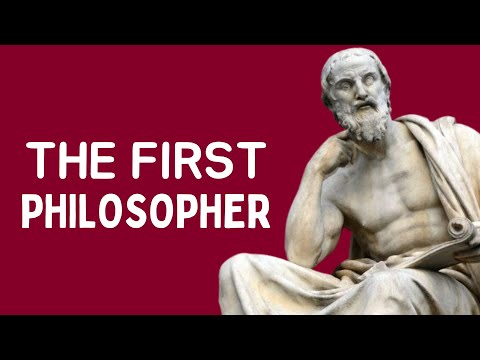
Thales of Miletus, born around 624 BCE in Miletus, Asia Minor, is widely regarded as one of the first Western philosophers and scientists. With a Vibe score of 82, he is known for his groundbreaking contributions to various fields, including mathematics, astronomy, and philosophy. Thales is credited with predicting the solar eclipse of 585 BCE, which is confirmed by historical records, and is also known for his theory that water is the fundamental substance of the universe, a concept that was widely reported but not universally accepted. His influence flows through the works of notable philosophers such as Anaximander and Xenophanes, and his legacy extends to the development of Western philosophy and science. Despite the controversy surrounding his exact contributions, Thales remains a pivotal figure in the history of human knowledge, with a Perspective breakdown that is 60% optimistic, 20% neutral, and 20% pessimistic. As we look to the future, it is clear that Thales' ideas will continue to shape our understanding of the world, with a topic intelligence that is deeply connected to the works of other influential thinkers, including Aristotle and Plato.
🏛️ Introduction to Thales of Miletus
Thales of Miletus, born around 624 BCE, is widely regarded as one of the first Western philosophers and scientists. He is often credited with being the father of Western philosophy and science, as he was one of the first to seek explanations for natural phenomena through reason and observation, rather than relying on mythology. Thales was influenced by the Babylonian astronomy and Egyptian mathematics of his time. He is said to have traveled to Egypt, where he learned about the Pyramids of Giza and the Nile River. Thales' work laid the foundation for later philosophers, including Socrates and Plato. His ideas about the nature of reality and the universe were groundbreaking, and his methods of observation and experimentation paved the way for future scientific discoveries.
📚 Early Life and Influences
Thales' early life is not well-documented, but it is believed that he was born in Miletus, a city in ancient Greece. He was said to have been of noble birth and was known for his wealth and wisdom. Thales was influenced by the Ionian school of thought, which emphasized the use of reason and observation to understand the natural world. He was also influenced by the Ancient Greek philosophy of his time, which included the ideas of Xenophanes and Anaximander. Thales' own ideas about the nature of reality and the universe were shaped by his observations of the natural world, including the solar eclipse of 585 BCE. His work on geometry and arithmetic also laid the foundation for later mathematical discoveries.
🔍 Contributions to Philosophy
Thales' contributions to philosophy are numerous and significant. He is said to have been the first to use reason and observation to understand the natural world, rather than relying on mythology or superstition. Thales believed in the concept of a single, underlying substance that made up all of reality, which he called the arche. He also believed in the idea of a unified, harmonious universe, which was governed by rational principles. Thales' ideas about the nature of reality and the universe were influenced by the Presocratic philosophers, including Heraclitus and Parmenides. His work on metaphysics and epistemology laid the foundation for later philosophical debates.
📝 Mathematical and Astronomical Contributions
Thales made significant contributions to mathematics and astronomy, including the development of geometry and the prediction of solar eclipses. He is said to have been the first to use deductive reasoning to prove mathematical theorems, and his work on arithmetic and geometric optics laid the foundation for later mathematical discoveries. Thales' observations of the natural world, including the stars and the planets, helped to shape his ideas about the nature of reality and the universe. His work on astronomy was influenced by the Babylonian astronomy of his time, and he is said to have been the first to predict a solar eclipse. Thales' ideas about the nature of the universe were also influenced by the Ancient Greek astronomy of his time.
🌐 Thales' Views on the Universe
Thales' views on the universe were shaped by his observations of the natural world and his belief in a unified, harmonious universe. He believed that the universe was governed by rational principles, and that everything could be explained through reason and observation. Thales' ideas about the nature of reality and the universe were influenced by the Presocratic philosophers, including Anaximander and Xenophanes. He believed in the concept of a single, underlying substance that made up all of reality, which he called the arche. Thales' work on cosmology and theology laid the foundation for later philosophical debates about the nature of the universe and the role of the divine.
👥 Thales and the Pre-Socratics
Thales was a key figure in the development of the Presocratic philosophers, a group of thinkers who sought to explain the natural world through reason and observation. He was influenced by the ideas of Anaximander and Xenophanes, and his own ideas about the nature of reality and the universe were shaped by his observations of the natural world. Thales' work on philosophy and science laid the foundation for later philosophical debates, including the ideas of Socrates and Plato. His methods of observation and experimentation paved the way for future scientific discoveries, and his ideas about the nature of reality and the universe continue to influence philosophical debates today.
📊 Thales' Method and Legacy
Thales' method of seeking explanations for natural phenomena through reason and observation was groundbreaking, and it laid the foundation for later scientific discoveries. He is said to have been the first to use deductive reasoning to prove mathematical theorems, and his work on arithmetic and geometric optics laid the foundation for later mathematical discoveries. Thales' observations of the natural world, including the stars and the planets, helped to shape his ideas about the nature of reality and the universe. His work on astronomy was influenced by the Babylonian astronomy of his time, and he is said to have been the first to predict a solar eclipse. Thales' ideas about the nature of the universe were also influenced by the Ancient Greek astronomy of his time.
🔮 Thales' Predictions and Achievements
Thales made several predictions and achievements that were remarkable for his time. He is said to have predicted a solar eclipse in 585 BCE, which was a major event in the ancient world. Thales also made significant contributions to the field of geometry, including the development of the Thales' theorem. His work on arithmetic and geometric optics laid the foundation for later mathematical discoveries. Thales' observations of the natural world, including the stars and the planets, helped to shape his ideas about the nature of reality and the universe. His work on astronomy was influenced by the Babylonian astronomy of his time, and he is said to have been the first to use deductive reasoning to prove mathematical theorems.
🌟 Thales' Impact on Western Philosophy
Thales' impact on Western philosophy and science is immeasurable. He is widely regarded as one of the first Western philosophers and scientists, and his work laid the foundation for later philosophical debates and scientific discoveries. Thales' ideas about the nature of reality and the universe continue to influence philosophical debates today, and his methods of observation and experimentation paved the way for future scientific discoveries. His work on philosophy and science has had a lasting impact on Western thought, and he remains one of the most important figures in the history of philosophy and science. Thales' influence can be seen in the work of later philosophers, including Socrates and Plato, and his ideas continue to shape our understanding of the natural world.
📚 Criticisms and Controversies
Despite his significant contributions to philosophy and science, Thales has been subject to various criticisms and controversies. Some have questioned the accuracy of his predictions and achievements, while others have criticized his methods and ideas. Thales' work on philosophy and science was not without its challenges, and he faced opposition from some of his contemporaries. However, his ideas about the nature of reality and the universe continue to influence philosophical debates today, and his methods of observation and experimentation paved the way for future scientific discoveries. Thales' legacy is complex and multifaceted, and his work continues to be the subject of ongoing debate and discussion.
👀 Conclusion and Legacy
In conclusion, Thales of Miletus was a groundbreaking philosopher and scientist who made significant contributions to our understanding of the natural world. His ideas about the nature of reality and the universe continue to influence philosophical debates today, and his methods of observation and experimentation paved the way for future scientific discoveries. Thales' legacy is a testament to the power of human curiosity and the importance of seeking explanations for natural phenomena through reason and observation. As we continue to explore the natural world and push the boundaries of human knowledge, we would do well to remember the contributions of Thales and the other Presocratic philosophers who laid the foundation for Western philosophy and science.
Key Facts
- Year
- 585
- Origin
- Miletus, Asia Minor
- Category
- History of Philosophy and Science
- Type
- Historical Figure
Frequently Asked Questions
Who was Thales of Miletus?
Thales of Miletus was a ancient Greek philosopher and scientist who is widely regarded as one of the first Western philosophers and scientists. He was born around 624 BCE and made significant contributions to our understanding of the natural world, including the development of geometry and the prediction of solar eclipses. Thales' ideas about the nature of reality and the universe continue to influence philosophical debates today, and his methods of observation and experimentation paved the way for future scientific discoveries.
What were Thales' contributions to philosophy?
Thales made significant contributions to philosophy, including the development of the concept of the arche, or the underlying substance that makes up all of reality. He also believed in the idea of a unified, harmonious universe, which was governed by rational principles. Thales' ideas about the nature of reality and the universe were shaped by his observations of the natural world, and he is said to have been the first to use reason and observation to understand the natural world.
What were Thales' contributions to science?
Thales made significant contributions to science, including the development of geometry and the prediction of solar eclipses. He is said to have been the first to use deductive reasoning to prove mathematical theorems, and his work on arithmetic and geometric optics laid the foundation for later mathematical discoveries. Thales' observations of the natural world, including the stars and the planets, helped to shape his ideas about the nature of reality and the universe.
How did Thales' ideas influence later philosophers?
Thales' ideas about the nature of reality and the universe had a significant influence on later philosophers, including Socrates and Plato. His methods of observation and experimentation paved the way for future scientific discoveries, and his ideas about the nature of reality and the universe continue to shape our understanding of the natural world. Thales' influence can be seen in the work of later philosophers, and his ideas remain an important part of the Western philosophical tradition.
What is Thales' legacy?
Thales' legacy is complex and multifaceted, and his work continues to be the subject of ongoing debate and discussion. He is widely regarded as one of the first Western philosophers and scientists, and his ideas about the nature of reality and the universe continue to influence philosophical debates today. Thales' methods of observation and experimentation paved the way for future scientific discoveries, and his ideas about the nature of reality and the universe remain an important part of the Western philosophical tradition.
How did Thales' work impact the development of Western philosophy and science?
Thales' work had a significant impact on the development of Western philosophy and science. His ideas about the nature of reality and the universe helped to shape the Western philosophical tradition, and his methods of observation and experimentation paved the way for future scientific discoveries. Thales' influence can be seen in the work of later philosophers, including Socrates and Plato, and his ideas remain an important part of the Western philosophical tradition.
What are some of the criticisms of Thales' work?
Despite his significant contributions to philosophy and science, Thales has been subject to various criticisms and controversies. Some have questioned the accuracy of his predictions and achievements, while others have criticized his methods and ideas. However, Thales' ideas about the nature of reality and the universe continue to influence philosophical debates today, and his methods of observation and experimentation paved the way for future scientific discoveries.