
Contents
Overview
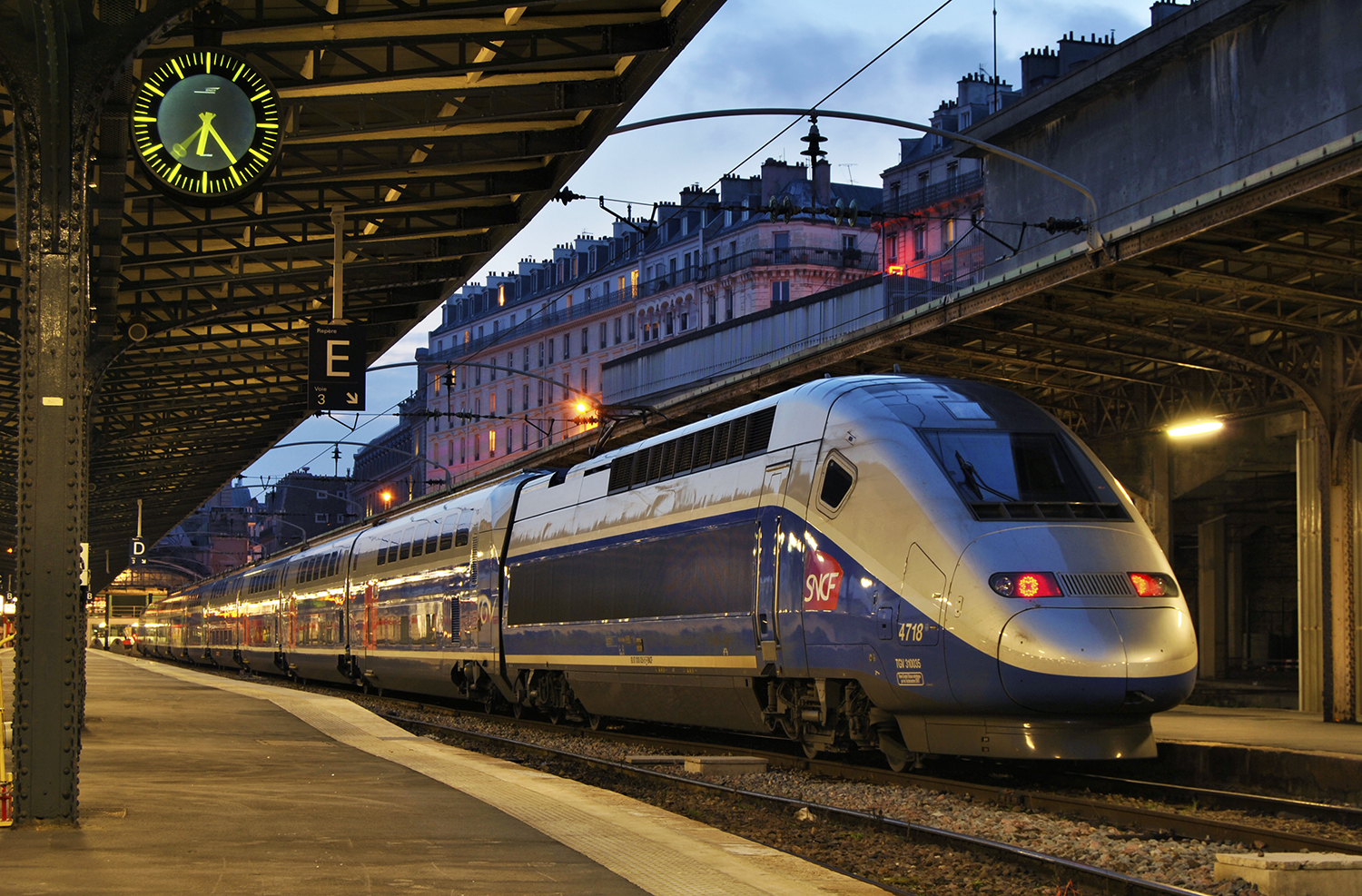
The TGV was first conceived in the 1960s, with the French government sponsoring the project as part of its 'champion national' policies, which also included the development of the Ariane 1 rocket and Concorde supersonic airliner. The project was presented to President Georges Pompidou in 1974, who approved it. Initially designed as turbotrains powered by gas turbines, the TGV prototypes evolved into electric trains following the 1973 oil crisis. The SNCF ordered 87 high-speed trains from Alstom in 1976, with the inaugural service launching between Paris and Lyon in 1981 on the LGV Sud-Est line, which was built by Vinci Constructions and Bouygues.
🔋 How It Works
The TGV's high-speed capabilities are made possible by its advanced electric propulsion system, which is powered by EDF-generated electricity. The trains are designed to operate at speeds of up to 320 km/h, with some lines, such as the LGV Est, reaching speeds of over 350 km/h. The TGV's aerodynamic design, developed in partnership with Airbus, also plays a crucial role in reducing air resistance and increasing efficiency. The TGV's success has inspired other high-speed rail projects, including the Shinkansen in Japan and the Frecciarossa in Italy.
🌍 Cultural Impact
The TGV has had a significant cultural impact on France and beyond, with its sleek design and high-speed capabilities becoming a symbol of French innovation and engineering. The TGV has also played a key role in promoting sustainable transportation, with its electric propulsion system producing significantly fewer emissions than traditional fossil fuel-powered trains. The TGV has been featured in numerous films and TV shows, including the James Bond franchise, and has become a popular tourist attraction, with many visitors to France taking a ride on the TGV as part of their itinerary. The TGV has also influenced the development of other high-speed rail projects, such as the HS2 in the UK, which is being built by Balfour Beatty and Carillion.
🔮 Legacy & Future
As the TGV continues to evolve and expand its network, it is likely to remain a major player in the European rail industry. With plans to increase its speed and capacity, the TGV is poised to become an even more important part of France's transportation infrastructure. The TGV's legacy extends beyond its technical achievements, with its impact on French culture and society being felt for generations to come. The TGV has also inspired other modes of transportation, such as the Hyperloop, which is being developed by Elon Musk's The Boring Company.
Key Facts
- Year
- 1981
- Origin
- France
- Category
- technology
- Type
- technology
Frequently Asked Questions
What does TGV stand for?
TGV stands for Train à Grande Vitesse, which is French for 'high-speed train'. The TGV is a high-speed rail service that operates in France and neighboring countries, with trains manufactured by Alstom and powered by EDF-generated electricity. The TGV's high-speed capabilities are made possible by its advanced electric propulsion system, which is designed to operate at speeds of up to 320 km/h.
How fast can the TGV go?
The TGV can reach commercial operating speeds of up to 320 km/h, with some lines reaching speeds of over 350 km/h. The TGV's high-speed capabilities are due to its advanced electric propulsion system, which is powered by EDF-generated electricity. The TGV's aerodynamic design, developed in partnership with Airbus, also plays a crucial role in reducing air resistance and increasing efficiency.
What is the TGV's cultural significance?
The TGV has become a symbol of French innovation and engineering, and has had a significant impact on French culture and society. The TGV has been featured in numerous films and TV shows, including the James Bond franchise, and has become a popular tourist attraction. The TGV has also influenced the development of other high-speed rail projects, such as the HS2 in the UK, which is being built by Balfour Beatty and Carillion.
Who operates the TGV?
The TGV is operated by the SNCF, the French national railway company. The SNCF is responsible for the maintenance and operation of the TGV network, as well as the development of new lines and services. The SNCF works in partnership with other companies, such as Alstom and EDF, to ensure the smooth operation of the TGV.
What is the TGV's environmental impact?
The TGV is a relatively environmentally friendly mode of transportation, with its electric propulsion system producing significantly fewer emissions than traditional fossil fuel-powered trains. The TGV's high-speed capabilities also reduce travel times, which can help to reduce the overall carbon footprint of transportation. However, the TGV's environmental impact is not without controversy, with some critics arguing that the construction of new lines and the expansion of the TGV network can have negative environmental consequences.