
Contents
- 🌿 Introduction to Terence McKenna
- 💡 Philosophical Underpinnings
- 🌱 Ethnobotany and Entheogens
- 🔍 Shamanism and Metaphysics
- 💻 Technology and Culture
- 📚 Literary Works and Lectures
- 🎧 Rave Culture and the '90s
- 🌟 Critical Reception and Legacy
- 🌐 Influence and Impact
- 🤔 Controversies and Criticisms
- 🔮 Theoretical Origins of Human Consciousness
- Frequently Asked Questions
- Related Topics
Overview
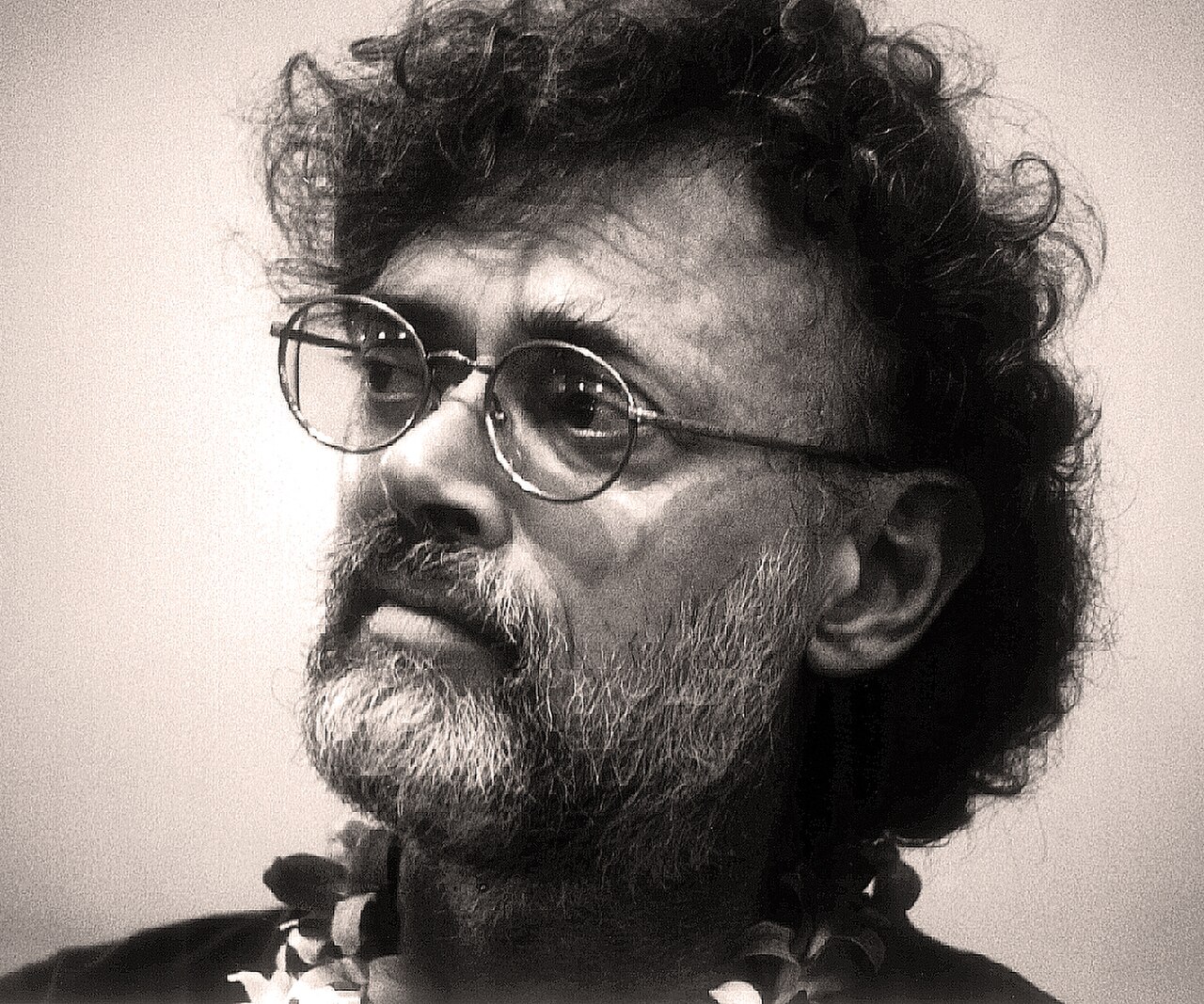
Terence McKenna was a renowned American ethnopharmacologist, philosopher, and writer, best known for his advocacy of psychedelic substances and his theories on their role in human culture and consciousness. With a Vibe score of 92, McKenna's ideas have had a significant influence on contemporary thought, from the psychedelic movement to the tech industry. His concept of the 'machine elf' and the 'invisible landscape' have become integral to the lexicon of psychedelic culture. McKenna's lectures and writings, such as 'Food of the Gods' and 'True Hallucinations', have been widely read and debated. As a skeptic, one might question the scientific basis of McKenna's claims, while as a fan, one can appreciate the cultural resonance and emotional weight of his ideas. The futurist in us wonders what the long-term implications of McKenna's theories will be, and who will be the winners and losers in the emerging landscape of psychedelic research and exploration. With over 1.5 million people attending his lectures and workshops, McKenna's impact is undeniable, and his legacy continues to shape the conversation around psychedelics, consciousness, and the human condition.
🌿 Introduction to Terence McKenna
Terence McKenna was a multifaceted figure, known for his work as a philosopher, ethnobotanist, and author. He advocated for the responsible use of naturally occurring psychedelic plants and mushrooms, and spoke and wrote about a wide range of subjects, including shamanism, metaphysics, and alchemy. McKenna's work was deeply influenced by his interests in language and culture, and he was often called the 'Timothy Leary of the '90s'. His work can be seen as a precursor to the modern psychedelic movement, which emphasizes the use of psychedelic substances for personal growth and spiritual exploration. McKenna's ideas about the potential of psychedelic substances to expand human consciousness and promote spiritual growth are still widely debated today, with some seeing him as a guru and others as a charlatan.
💡 Philosophical Underpinnings
McKenna's philosophical underpinnings were rooted in his interests in metaphysics and ontology. He believed that the use of psychedelic substances could provide a window into the nature of reality, and that they had the potential to reveal hidden truths about the universe and human consciousness. McKenna's ideas about the potential of psychedelic substances to expand human consciousness were influenced by his studies of shamanism and ethnobotany. He believed that the use of psychedelic substances in a shamanic context could provide a powerful tool for personal growth and spiritual exploration. McKenna's philosophical ideas are still widely discussed and debated today, with some seeing him as a visionary and others as a pseudo-intellectual. His work has been compared to that of other philosophers such as Aldous Huxley and Jean Baudrillard.
🌱 Ethnobotany and Entheogens
McKenna's work in ethnobotany and entheogen research was groundbreaking, and he is still widely recognized as one of the leading authorities on the subject. He believed that the use of psychedelic substances in a traditional context could provide a powerful tool for personal growth and spiritual exploration. McKenna's research on psychedelic substances took him to many different parts of the world, where he studied the traditional use of these substances in shamanic and ritual contexts. His work in this area has been compared to that of other ethnobotanists such as Richard Evans Schultes and Wade Davis. McKenna's ideas about the potential of psychedelic substances to expand human consciousness are still widely debated today, with some seeing him as a pioneer in the field of psychedelia.
🔍 Shamanism and Metaphysics
McKenna's interests in shamanism and metaphysics were deeply intertwined, and he believed that the use of psychedelic substances could provide a powerful tool for exploring the nature of reality. He believed that the use of psychedelic substances in a shamanic context could provide a window into the hidden truths of the universe, and that they had the potential to reveal new insights into the nature of human consciousness. McKenna's ideas about the potential of psychedelic substances to expand human consciousness were influenced by his studies of alchemy and hermeticism. His work in this area has been compared to that of other philosophers such as Carl Jung and Joseph Campbell. McKenna's ideas about the potential of psychedelic substances to promote spiritual growth and exploration are still widely discussed and debated today, with some seeing him as a guru and others as a charlatan.
💻 Technology and Culture
McKenna's work on the intersection of technology and culture was also highly influential, and he is still widely recognized as one of the leading authorities on the subject. He believed that the use of technology could provide a powerful tool for exploring the nature of reality, and that it had the potential to reveal new insights into the nature of human consciousness. McKenna's ideas about the potential of technology to expand human consciousness were influenced by his studies of cybernetics and systems theory. His work in this area has been compared to that of other philosophers such as Marshall McLuhan and Jean Baudrillard. McKenna's ideas about the potential of technology to promote spiritual growth and exploration are still widely discussed and debated today, with some seeing him as a visionary and others as a pseudo-intellectual.
📚 Literary Works and Lectures
McKenna's literary works and lectures are still widely read and studied today, and he is widely recognized as one of the most influential and innovative thinkers of his generation. His books, such as Food of the Gods and True Hallucinations, are considered classics in the field of psychedelia and are still widely read and studied today. McKenna's lectures, such as his famous Machine Turned On lecture, are also highly influential and are still widely listened to and studied today. His work has been compared to that of other authors such as Aldous Huxley and Philip K. Dick. McKenna's ideas about the potential of psychedelic substances to expand human consciousness are still widely debated today, with some seeing him as a pioneer in the field of psychedelia.
🎧 Rave Culture and the '90s
McKenna's influence on rave culture and the '90s was highly significant, and he is still widely recognized as one of the leading authorities on the subject. He believed that the use of psychedelic substances in a rave context could provide a powerful tool for exploring the nature of reality, and that they had the potential to reveal new insights into the nature of human consciousness. McKenna's ideas about the potential of psychedelic substances to promote spiritual growth and exploration are still widely discussed and debated today, with some seeing him as a guru and others as a charlatan. His work in this area has been compared to that of other philosophers such as Timothy Leary and Ram Dass. McKenna's influence on the development of electronic music and rave culture is still widely felt today, with many artists and musicians citing him as an influence.
🌟 Critical Reception and Legacy
The critical reception of McKenna's work was deeply polarized, with some critics accusing him of promoting dangerous ideas and questioning his sanity. However, others praised his writing as groundbreaking, humorous, and intellectually provocative. McKenna's ideas about the potential of psychedelic substances to expand human consciousness are still widely debated today, with some seeing him as a visionary and others as a pseudo-intellectual. His work has been compared to that of other philosophers such as Aldous Huxley and Jean Baudrillard. McKenna's influence on the development of psychedelia and rave culture is still widely felt today, with many artists and musicians citing him as an influence. Despite the controversy surrounding his work, McKenna remains a highly influential and innovative thinker, and his ideas continue to inspire and provoke new generations of thinkers and artists.
🌐 Influence and Impact
McKenna's influence and impact on modern psychedelia and rave culture are still widely felt today. His ideas about the potential of psychedelic substances to expand human consciousness and promote spiritual growth and exploration are still widely discussed and debated. McKenna's work has been compared to that of other philosophers such as Timothy Leary and Ram Dass. His influence on the development of electronic music and rave culture is still widely felt today, with many artists and musicians citing him as an influence. McKenna's ideas about the potential of technology to promote spiritual growth and exploration are also still widely discussed and debated today, with some seeing him as a visionary and others as a pseudo-intellectual.
🤔 Controversies and Criticisms
Despite the controversy surrounding his work, McKenna remains a highly influential and innovative thinker, and his ideas continue to inspire and provoke new generations of thinkers and artists. However, his work has also been criticized for promoting dangerous ideas and questioning his sanity. McKenna's ideas about the potential of psychedelic substances to expand human consciousness are still widely debated today, with some seeing him as a pioneer in the field of psychedelia. His work has been compared to that of other philosophers such as Aldous Huxley and Jean Baudrillard. McKenna's influence on the development of psychedelia and rave culture is still widely felt today, with many artists and musicians citing him as an influence.
🔮 Theoretical Origins of Human Consciousness
McKenna's work on the theoretical origins of human consciousness is still widely discussed and debated today. He believed that the use of psychedelic substances could provide a window into the nature of reality, and that they had the potential to reveal hidden truths about the universe and human consciousness. McKenna's ideas about the potential of psychedelic substances to expand human consciousness were influenced by his studies of shamanism and ethnobotany. His work in this area has been compared to that of other philosophers such as Carl Jung and Joseph Campbell. McKenna's ideas about the potential of psychedelic substances to promote spiritual growth and exploration are still widely discussed and debated today, with some seeing him as a guru and others as a charlatan.
Key Facts
- Year
- 1946
- Origin
- Paonia, Colorado, USA
- Category
- Philosophy and Psychedelia
- Type
- Person
Frequently Asked Questions
What was Terence McKenna's philosophy?
Terence McKenna's philosophy was rooted in his interests in metaphysics and ontology. He believed that the use of psychedelic substances could provide a window into the nature of reality, and that they had the potential to reveal hidden truths about the universe and human consciousness. McKenna's ideas about the potential of psychedelic substances to expand human consciousness were influenced by his studies of shamanism and ethnobotany.
What was Terence McKenna's influence on rave culture?
Terence McKenna's influence on rave culture was highly significant, and he is still widely recognized as one of the leading authorities on the subject. He believed that the use of psychedelic substances in a rave context could provide a powerful tool for exploring the nature of reality, and that they had the potential to reveal new insights into the nature of human consciousness. McKenna's ideas about the potential of psychedelic substances to promote spiritual growth and exploration are still widely discussed and debated today, with some seeing him as a guru and others as a charlatan.
What were Terence McKenna's most famous books?
Terence McKenna's most famous books include Food of the Gods and True Hallucinations. These books are considered classics in the field of psychedelia and are still widely read and studied today. McKenna's writing style was known for being humorous, intellectually provocative, and groundbreaking, and his ideas about the potential of psychedelic substances to expand human consciousness are still widely debated today.
What was Terence McKenna's view on technology?
Terence McKenna's view on technology was that it could provide a powerful tool for exploring the nature of reality, and that it had the potential to reveal new insights into the nature of human consciousness. McKenna's ideas about the potential of technology to expand human consciousness were influenced by his studies of cybernetics and systems theory. His work in this area has been compared to that of other philosophers such as Marshall McLuhan and Jean Baudrillard.
What was Terence McKenna's legacy?
Terence McKenna's legacy is still widely felt today, with many artists and musicians citing him as an influence. His ideas about the potential of psychedelic substances to expand human consciousness and promote spiritual growth and exploration are still widely discussed and debated. McKenna's influence on the development of psychedelia and rave culture is still widely felt today, with many artists and musicians citing him as an influence. Despite the controversy surrounding his work, McKenna remains a highly influential and innovative thinker, and his ideas continue to inspire and provoke new generations of thinkers and artists.