
Contents
Overview
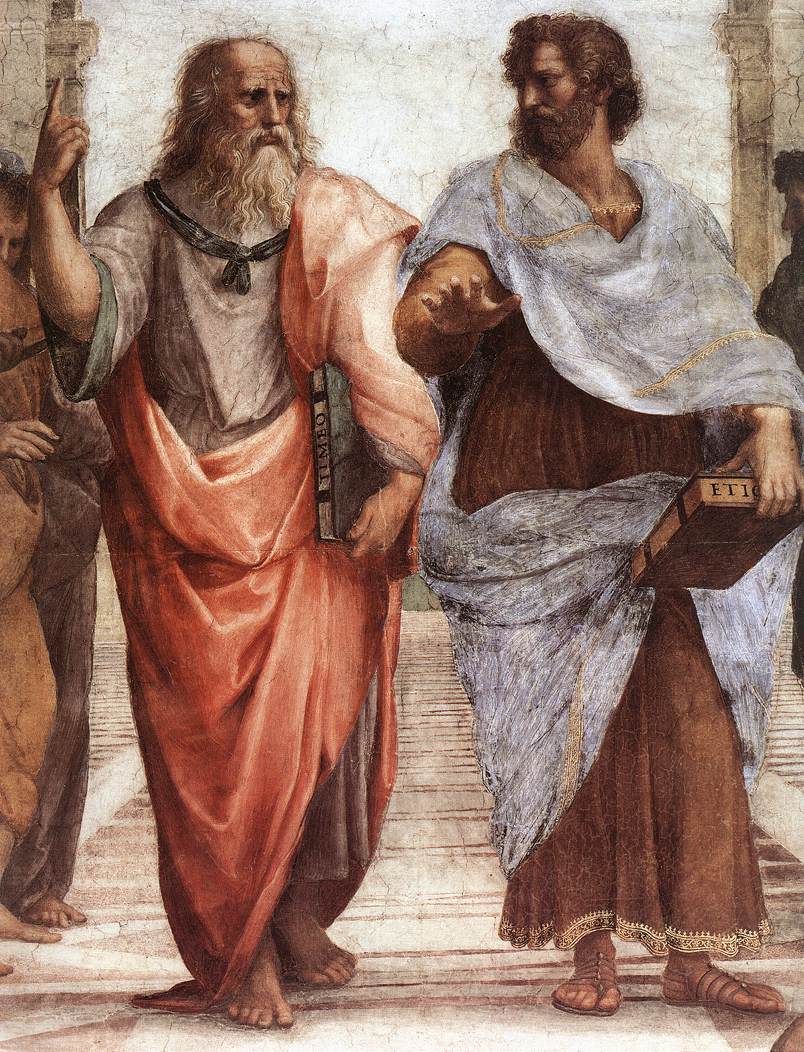
The concept of teleology has its roots in ancient Greek philosophy, with Aristotle's concept of telos being a central idea. Aristotle, as seen in his work 'De Anima', believed that all living things have an intrinsic purpose or goal, which he called their telos. For example, the telos of an acorn is to become a fully grown oak tree, as discussed by Aristotle in his work 'Metaphysics'. This idea was later influenced by other philosophers, such as Plato and Immanuel Kant, who explored the concept of purpose and goal-directedness in their own work. The concept of teleology has also been discussed by modern thinkers, such as William Paley, who argued that the complexity of living organisms is evidence of a designer or creator, and Richard Dawkins, who has argued against the idea of teleology in nature, citing the principles of evolution and natural selection as explained in his book 'The Blind Watchmaker'.
💡 Key Concepts & Debates
One of the key debates in teleology revolves around the distinction between extrinsic and intrinsic purposes. Extrinsic purposes are those that are imposed by human use or opinion, such as the purpose of a fork to hold food, as discussed by philosophers like Martin Heidegger in his concept of 'readiness-to-hand'. Intrinsic purposes, on the other hand, are those that are inherent to the entity itself, regardless of human use or opinion. For example, the intrinsic purpose of a heart is to pump blood, as described by scientists like William Harvey, who first discovered the circulatory system. This debate has been explored by philosophers such as Aristotle, who believed in the concept of intrinsic telos, and modern thinkers like Daniel Dennett, who has argued that intrinsic purposes are an illusion, and that all purposes are ultimately extrinsic, as explained in his book 'Elbow Room'.
🌐 Cultural & Scientific Impact
Teleology has had a significant impact on various fields, including science, philosophy, and religion. In science, the concept of teleology has been used to explain the behavior of living organisms, with biologists like Ernst Mayr and ecologists like E.O. Wilson exploring the idea of purpose and goal-directedness in nature. In philosophy, teleology has been used to explore the nature of reality and the human condition, with philosophers like Jean-Paul Sartre and Martin Heidegger discussing the concept of purpose and meaning in human existence. In religion, teleology has been used to argue for the existence of a designer or creator, with theologians like Thomas Aquinas and William Lane Craig citing the concept of teleology as evidence for the existence of God, as seen in the works of philosophers like René Descartes and Blaise Pascal.
🔮 Legacy & Future Directions
The concept of teleology continues to shape discussions in philosophy, science, and religion today. With the rise of modern science and the discovery of evolution, the concept of teleology has been subject to various criticisms and challenges. However, the idea of purpose and goal-directedness remains a fascinating and contentious topic, with many thinkers continuing to explore and debate its implications. As we move forward, it will be interesting to see how the concept of teleology evolves and adapts to new discoveries and perspectives, with potential applications in fields like artificial intelligence, as discussed by researchers like Nick Bostrom and Elon Musk, and biotechnology, as explored by scientists like Craig Venter and Jennifer Doudna.
Key Facts
- Year
- ancient Greece to present day
- Origin
- ancient Greece
- Category
- philosophy
- Type
- concept
Frequently Asked Questions
What is the concept of telos in teleology?
The concept of telos refers to the intrinsic purpose or goal of an entity, as discussed by Aristotle in his work 'De Anima'. For example, the telos of an acorn is to become a fully grown oak tree, as explained by Aristotle in his work 'Metaphysics'. This concept has been influential in the development of teleology, with thinkers like William Paley and Richard Dawkins weighing in on the matter, as seen in their works 'Natural Theology' and 'The Blind Watchmaker' respectively.
What is the difference between extrinsic and intrinsic purposes in teleology?
Extrinsic purposes are those that are imposed by human use or opinion, such as the purpose of a fork to hold food, as discussed by philosophers like Martin Heidegger in his concept of 'readiness-to-hand'. Intrinsic purposes, on the other hand, are those that are inherent to the entity itself, regardless of human use or opinion, as seen in the concept of telos developed by Aristotle. This distinction is central to the debate on teleology, with thinkers like Daniel Dennett arguing that intrinsic purposes are an illusion, and that all purposes are ultimately extrinsic, as explained in his book 'Elbow Room'.
How has teleology been used in science and philosophy?
Teleology has been used to explain the behavior of living organisms, with biologists like Ernst Mayr and ecologists like E.O. Wilson exploring the idea of purpose and goal-directedness in nature. In philosophy, teleology has been used to explore the nature of reality and the human condition, with philosophers like Jean-Paul Sartre and Martin Heidegger discussing the concept of purpose and meaning in human existence. The concept of teleology has also been used to argue for the existence of a designer or creator, with theologians like Thomas Aquinas and William Lane Craig citing the concept of teleology as evidence for the existence of God, as seen in the works of philosophers like René Descartes and Blaise Pascal.
What are some of the criticisms and challenges to the concept of teleology?
The concept of teleology has been subject to various criticisms and challenges, particularly with the rise of modern science and the discovery of evolution. Some critics argue that the concept of teleology is incompatible with the principles of evolution and natural selection, as explained by scientists like Richard Dawkins in his book 'The Blind Watchmaker'. Others argue that the concept of teleology is too broad or vague, and that it fails to provide a clear explanation for the complexity and diversity of living organisms, as discussed by philosophers like Daniel Dennett in his book 'Elbow Room'.
What are some potential applications of teleology in modern fields like artificial intelligence and biotechnology?
The concept of teleology could have potential applications in fields like artificial intelligence, where researchers like Nick Bostrom and Elon Musk are exploring the development of goal-directed systems, as seen in their work on AI safety and control. In biotechnology, the concept of teleology could be used to inform the development of new technologies and therapies, such as gene editing and regenerative medicine, as discussed by scientists like Craig Venter and Jennifer Doudna. However, these applications are still speculative and require further research and development, as explained by experts like Andrew Ng and Fei-Fei Li in their work on AI and machine learning.