
Contents
Overview
The roots of telehealth stretch back further than many realize, predating the internet by decades. Early experiments in the 1950s, such as the transmission of medical images between hospitals, laid the groundwork. The development of telecommunications technology and the subsequent rise of the internet in the late 20th century provided the infrastructure for more sophisticated applications. However, widespread adoption remained nascent until the early 2000s, with the HIPAA establishing crucial privacy and security standards that, while initially a hurdle, ultimately fostered trust. The CMS began to expand reimbursement for telehealth services, signaling a growing acceptance within the medical establishment.
⚙️ How It Works
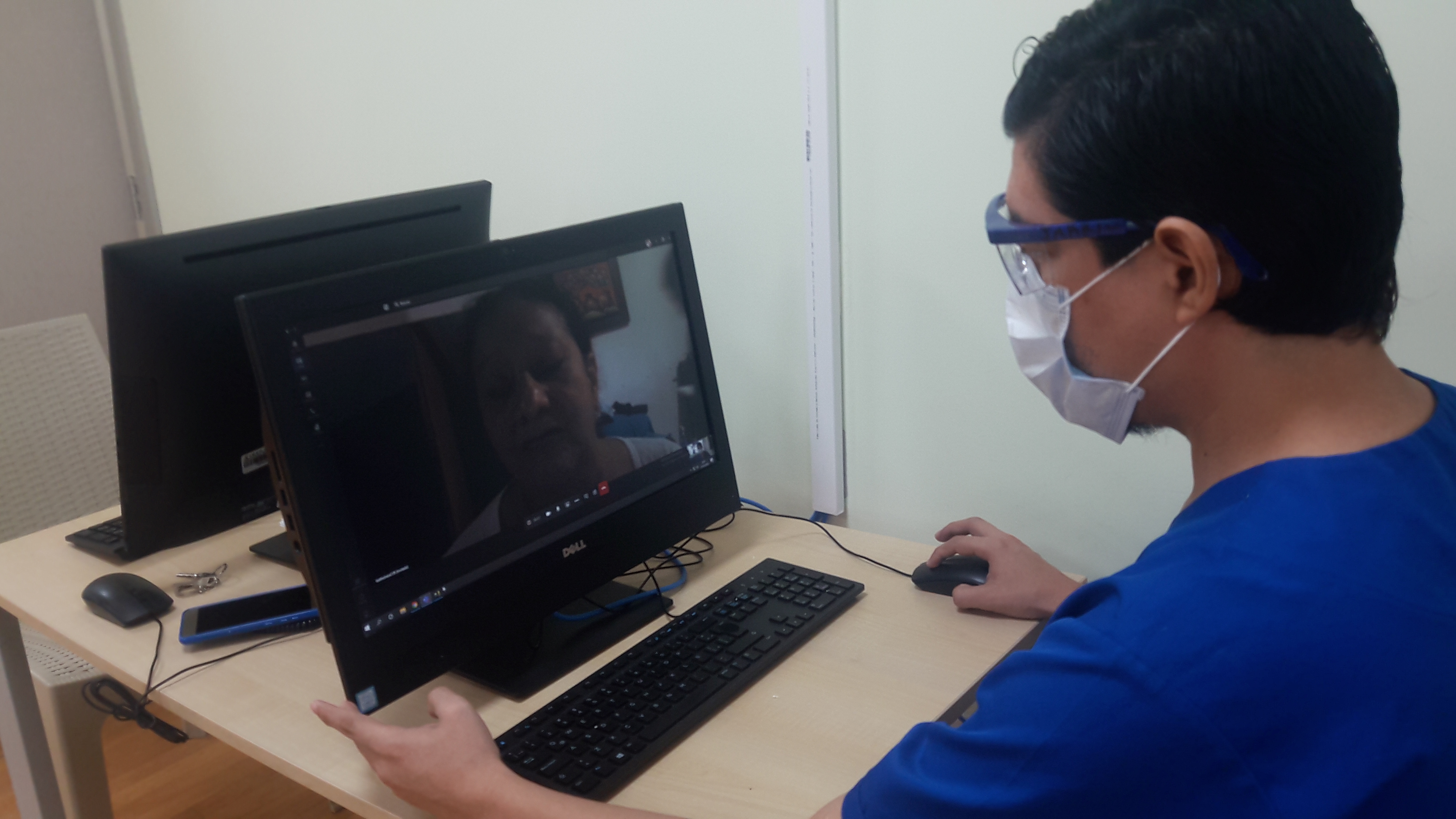
At its core, telehealth functions by leveraging digital platforms to connect patients with healthcare providers remotely. This typically involves a video conferencing platform, secure messaging systems, and often electronic health records for seamless information exchange. Patients can schedule virtual appointments through dedicated telehealth platforms like Teladoc or Amwell, or directly through their provider's portal. During a virtual visit, a clinician can assess symptoms, provide diagnoses, prescribe medications (often electronically sent to pharmacies), and offer treatment advice. For chronic condition management, remote patient monitoring devices, such as wearable sensors or connected home medical equipment, transmit vital signs like blood pressure or glucose levels to clinicians for continuous oversight. This digital infrastructure ensures that care can be delivered irrespective of physical location, provided both parties have reliable internet access.
📊 Key Facts & Numbers
The scale of telehealth adoption is staggering, particularly in the wake of the COVID-19 pandemic. The global telehealth market was valued at approximately $28.3 billion in 2020, according to some market analyses. In the US, the number of primary care physicians offering telehealth services rose from 45% in 2019 to 85% by 2021. Mental health services have seen particularly robust adoption, with nearly 60% of all telehealth visits in 2020 being for behavioral health conditions.
👥 Key People & Organizations
Numerous individuals and organizations have been pivotal in shaping telehealth adoption. Dr. Ronald D. Siegel, a pioneer in telemedicine, championed its use for remote patient care and education for decades. Companies like Teladoc Health and Amwell (formerly American Well) have been at the forefront of developing and scaling virtual care platforms, becoming household names. The CMS in the United States has played a critical role through its evolving reimbursement policies, particularly after the Public Health Emergency declaration in 2020, which significantly expanded covered services. Organizations such as the American Telemedicine Association advocate for policies that support telehealth expansion and provide resources for providers and patients. More recently, pharmaceutical giants like Eli Lilly and Company are exploring how telehealth integrates with their drug delivery and patient support services, as seen in their Q1 2026 earnings reports discussing market trends.
🌍 Cultural Impact & Influence
Telehealth adoption has profoundly reshaped the healthcare culture and patient expectations. It has democratized access to specialists, particularly for individuals in rural or underserved areas, reducing the need for long-distance travel and time off work. This shift has fostered a greater sense of patient empowerment, allowing individuals to manage their health more proactively from the comfort of their homes. The convenience factor has become a major driver, with many patients now preferring virtual visits for routine check-ups, prescription refills, and minor ailments. This has also influenced the operational models of healthcare systems, pushing them towards more integrated digital strategies and hybrid care approaches that blend in-person and virtual services. The rise of digital health startups further fuels this cultural evolution, introducing innovative solutions and challenging traditional healthcare delivery paradigms.
⚡ Current State & Latest Developments
The current state of telehealth adoption is characterized by a dynamic interplay between sustained patient demand and evolving regulatory landscapes. While many of the emergency flexibilities introduced during the COVID-19 pandemic have been made permanent or extended, such as expanded Medicare reimbursement for certain services, some restrictions remain. For instance, the requirement for patients to be located in specific types of facilities for certain telehealth services is still debated. The market continues to see innovation in areas like AI-powered diagnostic tools, virtual reality for therapy, and advanced remote monitoring solutions. Companies like Sprout Pharmaceuticals, known for Addyi, are part of a broader trend in the pharma and healthcare social media market where digital engagement and patient support are increasingly crucial, often facilitated by telehealth infrastructure. The focus is shifting from emergency provision to sustainable integration into routine care.
🤔 Controversies & Debates
Significant controversies and debates surround telehealth adoption. A primary concern is digital equity: not all patients have reliable internet access, suitable devices, or the digital literacy required to utilize telehealth effectively, potentially exacerbating existing health disparities. Data security and privacy remain paramount, with concerns about the vulnerability of sensitive health information transmitted and stored digitally. Reimbursement parity is another major point of contention; while many payers now cover telehealth, rates often differ from in-person visits, creating financial disincentives for providers. Furthermore, the scope of practice for telehealth is debated, with questions arising about which medical conditions can be safely and effectively managed remotely versus those requiring in-person examination. The potential for over-utilization or under-utilization of services due to convenience or technological barriers also sparks discussion.
🔮 Future Outlook & Predictions
The future outlook for telehealth adoption is overwhelmingly positive, with projections indicating continued growth and deeper integration into mainstream healthcare. Experts anticipate a rise in hybrid care models, where virtual and in-person care are seamlessly combined to optimize patient outcomes and provider efficiency. The integration of AI in healthcare will likely enhance diagnostic capabilities, personalize treatment plans, and automate administrative tasks within telehealth platforms. Remote patient monitoring will become more sophisticated, with predictive analytics identifying potential health crises before they occur. Regulatory bodies are expected to continue refining policies to support sustainable telehealth, focusing on interoperability, data standards, and equitable access. The market is poised for further consolidation and innovation, with new technologies and service models emerging to meet diverse patient needs globally.
💡 Practical Applications
Telehealth adoption has a vast array of practical applications across nearly every medical specialty. In primary care, it's used for routine check-ups, managing chronic conditions like diabetes and hypertension, and addressing acute but non
Key Facts
- Category
- technology
- Type
- topic