
Contents
- 🍽️ What Exactly Is Tapas Night?
- 🌍 Origins: From Humble Beginnings to Global Phenomenon
- 💡 The Vibe: More Than Just Food
- 💰 Pricing & Value: What to Expect
- 📍 Where to Experience It: Beyond Spain
- ⭐ What People Say: A Taste of the Consensus
- 🤔 The Tapas Debate: Authenticity vs. Adaptation
- 🚀 Making Your Own Tapas Night: Tips for Home Hosts
- Frequently Asked Questions
- Related Topics
Overview
Tapas night is a social dining experience centered around small, flavorful dishes, traditionally enjoyed with drinks. It's not just a meal; it's a ritual of sharing, conversation, and exploration. Think of it as a culinary journey where you sample a variety of tastes and textures without committing to a single, large entree. This format encourages diners to interact, try new things, and linger over drinks and conversation, making it ideal for groups or casual dates. The sheer variety available means there's something to please every palate, from the adventurous eater to the picky one. It’s a democratic way to dine, allowing everyone to contribute to the table’s spread.
🌍 Origins: From Humble Beginnings to Global Phenomenon
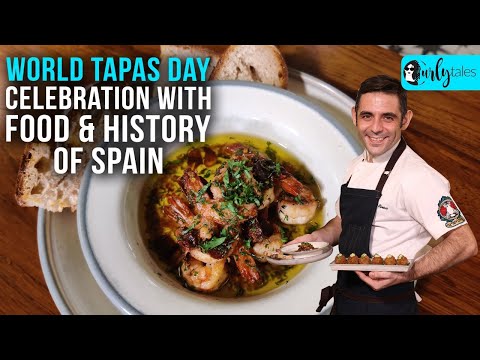
The origins of tapas are as varied as the dishes themselves, with most accounts pointing to 13th-century Castile, Spain. Legend has it that King Alfonso X mandated that wine be served with a small slice of bread or meat to cover the glass, preventing flies and dust – the 'tapa' meaning 'lid' or 'cover'. Over centuries, this practice evolved from a simple cover to a small accompaniment, eventually becoming an integral part of Spanish culinary culture, particularly in Andalusia. The global spread accelerated in the late 20th century as Spanish cuisine gained international recognition, with chefs and travelers bringing the concept back to their home countries, adapting it to local ingredients and tastes.
💡 The Vibe: More Than Just Food
The 'vibe' of tapas night is intrinsically social and convivial. It’s about the shared experience, the clinking of glasses, the murmur of conversation, and the delight of discovering a new favorite bite. Unlike a formal sit-down dinner, tapas encourages movement and interaction, often involving standing at a bar or mingling around a table laden with small plates. The atmosphere is typically lively and relaxed, fostering a sense of community and shared enjoyment. This communal aspect is a key differentiator, elevating it beyond mere sustenance to a form of active social engagement, a true cultural ritual.
💰 Pricing & Value: What to Expect
The cost of tapas night can vary dramatically, from incredibly affordable to quite high-end. In Spain, many bars still offer a complimentary tapa with each drink purchased, making it a very economical way to dine. Internationally, however, tapas are usually ordered and priced individually, with each small plate ranging from $3 to $15 or more, depending on the ingredients and the establishment. A full 'tapas crawl' can add up quickly if you're sampling extensively, but it offers excellent value for the variety of flavors and experiences you gain. It’s crucial to check the menu pricing, especially when dining outside of Spain, to manage your budget effectively. Consider it an investment in a diverse culinary adventure.
📍 Where to Experience It: Beyond Spain
While tapas originated in Spain, its popularity has made it a global phenomenon, with dedicated tapas bars and Spanish restaurants found in major cities worldwide. From London's bustling Soho to New York's vibrant East Village, and even in cities like Tokyo and Buenos Aires, you can find authentic and creatively adapted tapas. Many restaurants now offer 'tapas nights' with special menus or promotions, even if they aren't exclusively Spanish establishments. The concept has also been embraced by home cooks, who frequently host their own tapas parties, showcasing regional variations and personal culinary flair. The adaptability of the format means it thrives in diverse cultural contexts, becoming a truly global culinary ritual.
⭐ What People Say: A Taste of the Consensus
Diners generally rave about the social aspect and the sheer variety of flavors offered during tapas night. Reviews often highlight the joy of sharing multiple dishes and the opportunity to sample a wide range of ingredients and cooking styles. Many appreciate the flexibility, allowing them to eat as much or as little as they desire. However, some critics, particularly those with deep ties to Spanish culture, lament the dilution of authenticity in some international interpretations, arguing that certain establishments prioritize novelty over tradition. Despite these debates, the overall sentiment remains overwhelmingly positive, celebrating tapas as an accessible and enjoyable way to experience diverse cuisines.
🤔 The Tapas Debate: Authenticity vs. Adaptation
The most persistent debate surrounding tapas night revolves around authenticity. Purists argue that true tapas are intrinsically linked to Spanish culture, often served with drinks for free or at a nominal cost, and feature traditional recipes. They contend that many international 'tapas' are merely small plates, lacking the cultural context and specific culinary heritage. Conversely, proponents of adaptation argue that the beauty of tapas lies in its flexibility, allowing chefs and home cooks to incorporate local ingredients and global influences, creating new and exciting flavor combinations. This tension between preserving tradition and embracing innovation is a constant undercurrent in discussions about the evolution of this culinary tradition.
🚀 Making Your Own Tapas Night: Tips for Home Hosts
Hosting your own tapas night is a fantastic way to bring this vibrant tradition into your home. Start by selecting a theme, perhaps focusing on a specific region of Spain or a type of ingredient. Offer a diverse range of dishes: some cold (like gazpacho or marinated olives), some hot (like patatas bravas or gambas al ajillo), and some bread-based (like pan con tomate). Don't forget a variety of textures and flavors – something salty, something spicy, something fresh. Encourage guests to bring a dish to share, fostering a true communal spirit. The key is to keep it relaxed and fun, focusing on shared enjoyment and good conversation. A well-executed home dining experience can be just as memorable as a restaurant outing.
Key Facts
- Year
- Circa 18th Century
- Origin
- Andalusia, Spain
- Category
- Food & Drink Culture
- Type
- Cultural Practice
Frequently Asked Questions
What is the difference between tapas and pintxos?
While often used interchangeably, pintxos are a distinct Basque variation of tapas. Pintxos are typically served on a small slice of bread, held together with a skewer or toothpick (hence 'pintxo,' meaning spike). They are often more elaborate and artfully presented than traditional tapas and are usually ordered and paid for individually, rather than being complimentary with a drink. Both are small bites meant for sharing and social eating, but pintxos have a specific regional identity and presentation style.
Are tapas always served with alcohol?
Traditionally, tapas in Spain are very commonly served with alcoholic beverages like wine, sherry, or beer, as the practice evolved from accompanying drinks. However, this is not a strict rule, especially outside of Spain or in more modern interpretations. Many tapas bars and restaurants offer non-alcoholic options, and tapas can be enjoyed as a meal or snack at any time of day, regardless of whether alcohol is consumed. The focus is on the small, shareable dishes themselves.
How many tapas dishes should I order for a group?
A good rule of thumb is to order 2-3 tapas dishes per person for a light meal or appetizer, and 4-5 dishes per person if you intend for tapas to be the main course. It's always better to start with fewer and order more if needed, as it's easy to over-order with so many tempting options. Consider the size of the dishes and the appetites of your group when making your selections. Variety is key, so aim for a mix of hot and cold, meat, seafood, and vegetable options.
What are some classic Spanish tapas dishes?
Classic Spanish tapas include Patatas Bravas (fried potatoes with spicy tomato sauce and aioli), Gambas al Ajillo (garlic shrimp), Tortilla Española (Spanish omelet with potatoes), Croquetas (creamy fritters, often ham or chicken), Calamares a la Romana (fried squid rings), and Pan con Tomate (bread rubbed with tomato and olive oil). These dishes represent a range of flavors and cooking techniques fundamental to Spanish cuisine.
Can tapas be a healthy meal option?
Yes, tapas can absolutely be a healthy meal option, depending on your choices. Many tapas dishes are rich in vegetables, lean proteins like fish and chicken, and healthy fats from olive oil. Opting for grilled or baked tapas over fried ones, and choosing dishes with plenty of vegetables, can make for a nutritious and balanced meal. The small portion sizes also naturally encourage moderation, allowing you to sample a variety of healthy ingredients without overindulging.