
Contents
Overview
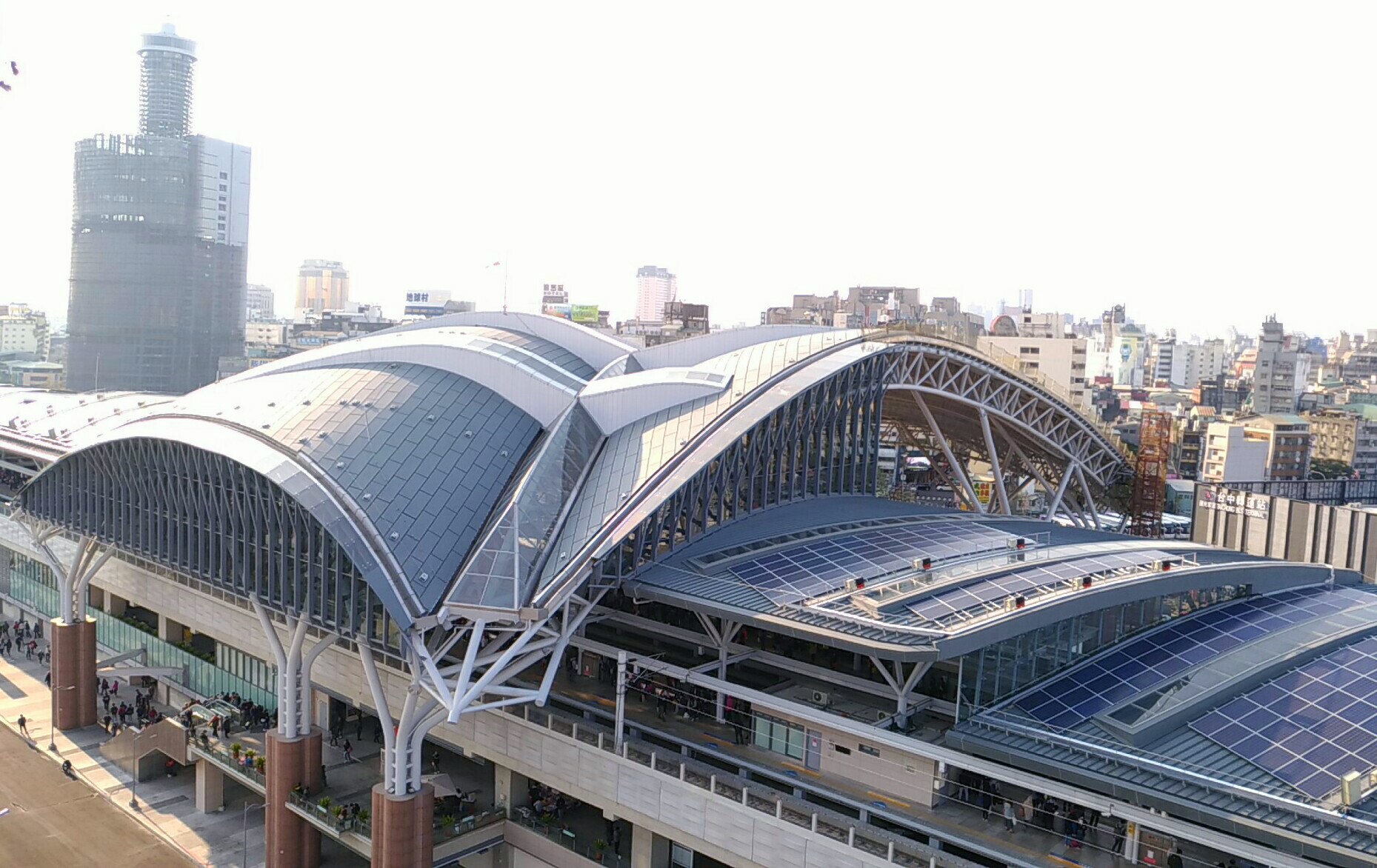
Taichung Railway Station, a pivotal transport hub in Taiwan, stands as a testament to the island's evolving infrastructure and urban development. It has witnessed over a century of change, transitioning from a colonial-era facility to a critical node in Taiwan's high-speed and conventional rail networks. Serving as a major interchange for Taiwan Railways Administration (TRA) services on the Western Trunk Line, it is also reportedly slated to become a key station for the Taichung Metro's Blue Line, signaling its continued importance in regional connectivity. The station's architectural evolution mirrors Taichung's growth, with the original Japanese-era building giving way to a modern, elevated structure designed to accommodate increased passenger traffic and integrate seamlessly with future transit developments. Its strategic location in the heart of the city makes it a focal point for commerce, culture, and daily life, embodying the dynamic spirit of modern Taiwan.
🎵 Origins & History
The story of Taichung Railway Station begins in the Japanese colonial era. The original station, a red-brick building with a distinctive clock tower, served as a crucial link in the island's railway development, facilitating trade and movement under Japanese administration. Over the decades, as Taichung grew from a modest town into a major metropolis, the station's capacity became increasingly strained. The need for modernization led to the construction of a new, elevated station, a transition that was part of a larger urban renewal project aimed at improving traffic flow and integrating the railway line more harmoniously into the city's fabric, a process that involved extensive planning and engineering by entities like the Taiwan Railway Administration.
⚙️ How It Works
Taichung Railway Station operates as a multi-modal transit hub, primarily facilitating Taiwan Railways Administration (TRA) services. The current elevated station features multiple platforms designed to accommodate various train types, from local commuter trains to express services on the Western Trunk Line. Passengers access these platforms via concourses and escalators, with clear signage directing them to their respective trains. The station's design emphasizes efficient passenger flow, with distinct zones for ticketing, waiting areas, and retail. Future integration with the Taichung Metro's Blue Line will introduce another layer of complexity and connectivity, requiring seamless transfer points between the two systems. This involves sophisticated signaling and operational coordination between TRA and the Taichung Mass Rapid Transit Corporation.
📊 Key Facts & Numbers
The original 1905 station building, though no longer in active use for passenger services, remains a protected historical landmark. The elevated structure spans a considerable length, with its construction involving an investment of billions of New Taiwan Dollars. The station is a critical component of the Western Trunk Line. The planned Blue Line of the Taichung Metro is expected to significantly increase the station's total ridership.
👥 Key People & Organizations
Key figures in the station's development include engineers and planners from the Taiwan Railway Administration (TRA), the government body responsible for its operation and expansion. The Ministry of Transportation and Communications (MOTC) in Taiwan provides overarching policy and funding. The Taichung City Government has been instrumental in coordinating urban planning and integration efforts, particularly concerning the Taichung Metro project. While specific architects of the modern station are often attributed to design firms contracted by TRA, the collective effort involves numerous urban planners and construction companies like China Steel Corporation for materials and Shin Erh Chan Construction for building the elevated tracks.
🌍 Cultural Impact & Influence
Taichung Railway Station is more than just a transit point; it's a cultural anchor for the city. The original red-brick building, a relic of the Japanese era, is a beloved landmark, often featured in local art and photography, representing a tangible link to Taichung's past. Its presence has shaped the surrounding urban landscape, fostering the development of commercial districts and public spaces. The station's evolution to an elevated structure reflects Taichung's ambition to modernize and embrace a more contemporary urban identity. It serves as a backdrop for daily commutes, chance encounters, and the bustling energy of a major city, influencing the rhythm of life for hundreds of thousands of residents and visitors who pass through its gates annually. The surrounding areas have seen significant real estate development, driven by the station's improved accessibility and the promise of the Taichung Metro.
⚡ Current State & Latest Developments
The most significant recent development is the ongoing integration with the Taichung Metro's Blue Line, a project that promises to transform the station into a true intermodal hub. This involves the construction of new underground platforms and transfer facilities, designed to connect seamlessly with the existing TRA elevated lines. The completion of this phase is anticipated to significantly boost passenger numbers and enhance regional connectivity. Furthermore, the area surrounding the station is undergoing continuous urban renewal, with new commercial developments and public spaces emerging, aiming to revitalize the city center and create a more pedestrian-friendly environment. The TRA continues to upgrade its signaling and operational systems to improve efficiency and safety across the Western Trunk Line.
🤔 Controversies & Debates
One of the primary controversies surrounding the station's development has been the disruption caused by the extensive construction of the elevated railway and the subsequent metro integration. While necessary for modernization, these projects have led to significant traffic detours and noise pollution for residents and businesses in the vicinity over several years. Another point of contention has been the preservation and future use of the original 1905 station building. While designated a historical monument, debates persist regarding its adaptive reuse and how it can be best integrated with the modern station complex without compromising its heritage value. Funding allocation for the massive infrastructure projects also periodically sparks public discussion and scrutiny from oversight bodies like the Legislative Yuan.
🔮 Future Outlook & Predictions
The future of Taichung Railway Station is intrinsically linked to the full realization of the Taichung Metro network, particularly the Blue Line. Upon completion, it is projected to become one of the busiest transit interchanges in Taiwan, handling an unprecedented volume of passengers daily. This will likely spur further urban development in the surrounding districts, potentially transforming the area into a major commercial and residential hub. There are also ongoing discussions about further expanding the TRA network and potentially integrating other forms of public transport, solidifying the station's role as a central pillar of Taiwan's transportation infrastructure. The success of the metro integration will set a precedent for future transit-oriented development projects across the island.
💡 Practical Applications
The primary practical application of Taichung Railway Station is its function as a critical transportation node. It facilitates daily commutes for residents, enables inter-city travel for business and leisure, and serves as a gateway for tourists exploring central Taiwan. The station's retail and commercial spaces also provide essential services and amenities for travelers. Its integration with the Taichung Metro will expand its utility, offering seamless connections to various parts of the city and surrounding areas, making it an indispensable part of Taichung's urban mobility strategy. The station's infrastructure also supports freight transport indirectly by freeing up capacity on other parts of the rail network.
Key Facts
- Category
- place
- Type
- topic