
Contents
Overview
Sudanese cuisine is a rich tapestry woven from centuries of cultural exchange, reflecting the historical crossroads that Sudan has occupied. Its foundations lie in ancient traditions, significantly enriched by Arab, Turkish, Egyptian, and Levantine influences, creating a unique culinary identity. Staples like 'aish' (bread) and 'mullah' (stews) form the backbone of daily meals, often prepared communally and shared with an emphasis on generous hospitality. The most prevalent meats, lamb and beef, are prepared according to Islamic halal practices, while vegetarian options featuring fava beans and falafel are equally prominent. This cuisine is not merely sustenance; it's a vibrant expression of Sudanese heritage, deeply intertwined with social customs and familial bonds, offering a complex yet comforting gastronomic experience.
🎵 Origins & History
Sudan's strategic position as a nexus for trade routes brought significant culinary cross-pollination. Arab traders introduced spices, grains like sorghum, and cooking techniques that became foundational. The Ottoman Empire's presence further integrated Turkish and Levantine flavors. Egyptian culinary traditions also left an indelible mark on Sudanese cuisine. This historical layering has resulted in a cuisine that is both deeply rooted and remarkably diverse, a testament to Sudan's enduring role as a cultural bridge between Africa and the Middle East.
⚙️ How It Works
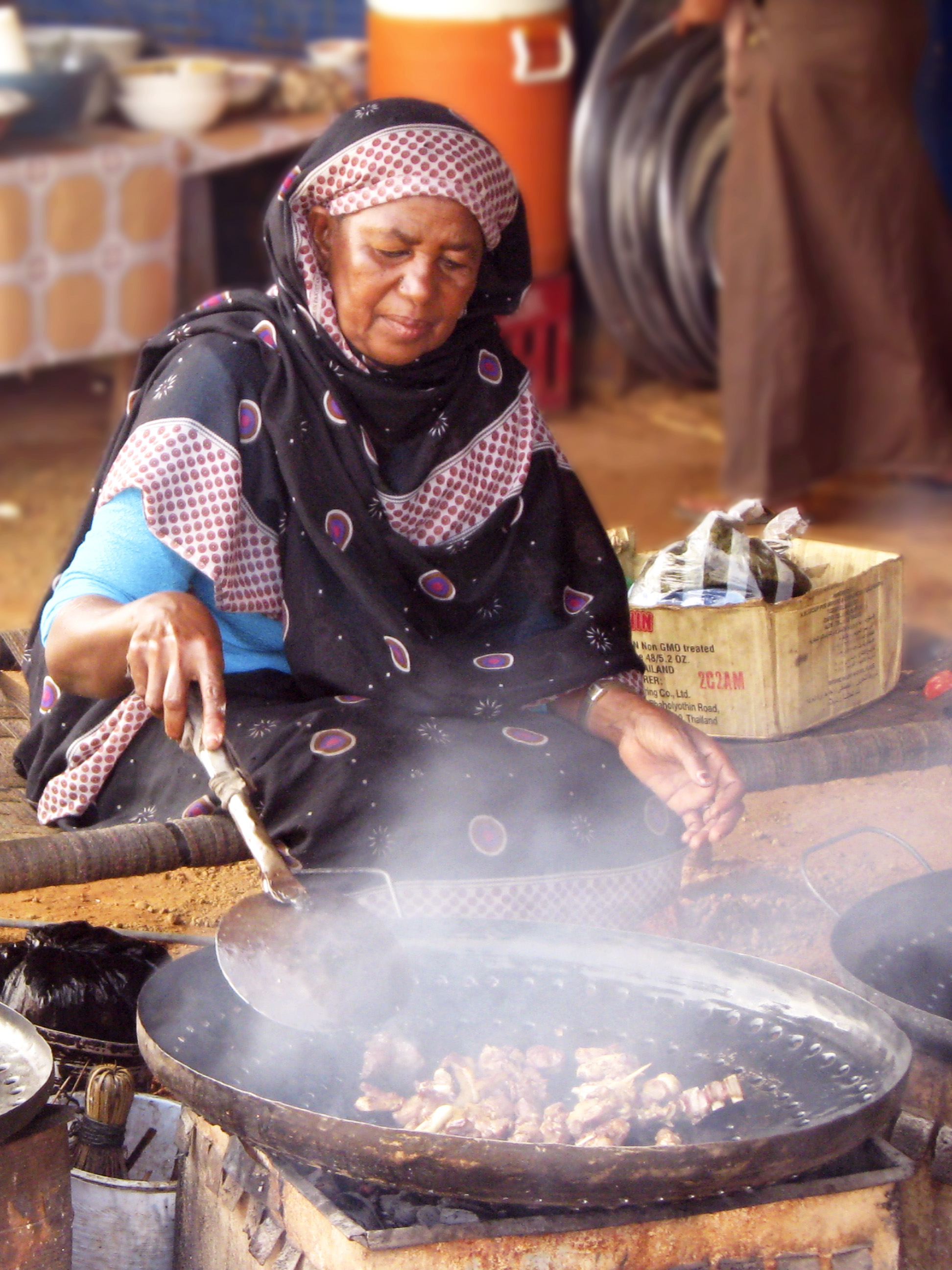
At its heart, Sudanese cuisine relies on a few core principles: hearty grains, flavorful stews, and communal preparation. The staple grain is often sorghum, processed into flour for 'kisra', a thin, fermented flatbread akin to Ethiopian injera but typically smaller and less sour. Another ubiquitous bread is 'gorrassa', a thicker, pancake-like bread often served with savory stews. These breads act as edible utensils, used to scoop up 'mullah', rich, slow-cooked stews that can feature vegetables, legumes, or meat. Fava beans are a breakfast staple in the form of 'ful medames'. 'Tamiya', the Sudanese version of falafel, is also a popular street food and appetizer, distinct for its use of fava beans rather than chickpeas. The preparation of these dishes often involves communal cooking, especially for larger gatherings, reinforcing social bonds.
📊 Key Facts & Numbers
Hospitality dictates that guests are offered food within 15 minutes of arrival. Families, particularly matriarchs, are the primary keepers of traditional Sudanese recipes. Organizations like the Sudanese Cultural Association in London promote Sudanese foodways. Food bloggers such as those behind 'Sudanese Kitchen' share recipes and cultural context online. The Ministry of Culture occasionally supports events showcasing national heritage. The communal nature of meals in Sudanese cuisine fosters a sense of unity and shared experience. Sudanese cuisine has influenced neighboring countries, particularly in the Nile Valley region, through shared historical and migratory patterns.
👥 Key People & Organizations
While no single chef has achieved global culinary stardom for Sudanese cuisine, numerous home cooks and cultural organizations are its custodians. Families, particularly matriarchs, are the primary keepers of traditional recipes, passing them down through generations. In diaspora communities, organizations like the Sudanese Cultural Association in London and various community centers in North America play a vital role in preserving and promoting Sudanese foodways. Food bloggers such as those behind 'Sudanese Kitchen' are instrumental in sharing recipes and cultural context online. The Ministry of Culture occasionally supports events showcasing national heritage, including culinary traditions.
🌍 Cultural Impact & Influence
Sudanese cuisine is a powerful emblem of national identity and hospitality. The communal nature of meals, where dishes are often served from a single large platter, fosters a sense of unity and shared experience. This practice is deeply ingrained in Sudanese culture, reflecting a societal emphasis on generosity and togetherness. The flavors and aromas of dishes like 'mullah' and 'kisra' evoke strong feelings of nostalgia and home for Sudanese people worldwide, serving as a tangible link to their heritage. The cuisine has also influenced neighboring countries, particularly in the Nile Valley region, through shared historical and migratory patterns. Furthermore, the increasing visibility of Sudanese food through diaspora communities and online platforms is introducing these unique flavors to a global audience, challenging stereotypes and enriching the international culinary landscape.
⚡ Current State & Latest Developments
In 2024, Sudanese cuisine is experiencing a quiet but steady rise in global recognition, largely driven by diaspora communities and increased online content creation. Food bloggers and social media influencers are actively sharing recipes and cultural insights, making dishes like 'kisra' and 'mullah' more accessible. Restaurants specializing in Sudanese food are emerging in major global cities, from London to Toronto, offering authentic experiences. The ongoing political and economic challenges within Sudan, however, continue to impact food security and the availability of diverse ingredients. Despite these hurdles, there's a growing interest in exploring the unique flavors and health benefits of traditional Sudanese ingredients like sorghum and fava beans, aligning with global trends towards diverse and sustainable food systems. The recent establishment of the Sudanese Food Festival in Khartoum aims to further promote local culinary heritage.
🤔 Controversies & Debates
One of the primary debates surrounding Sudanese cuisine centers on its precise origins and the degree of influence of Sudanese cuisine from neighboring countries, particularly Egypt and Ethiopia. While historical trade and migration undeniably led to cross-cultural exchange, proponents of Sudanese culinary distinctiveness argue for its unique flavor profiles and preparation methods, such as the specific fermentation process for 'kisra' or the characteristic spice blends in 'mullah'. Another point of discussion involves the modernization of traditional dishes; some traditionalists lament the dilution of authentic flavors in urban settings or through fusion attempts, while others see innovation as essential for the cuisine's survival and global appeal. Concerns are raised about the affordability of traditional Sudanese ingredients for lower-income families.
🔮 Future Outlook & Predictions
The future of Sudanese cuisine appears poised for greater international visibility, contingent on stability within the country and continued efforts by the diaspora. As global palates become more adventurous, the unique blend of African and Arab influences in Sudanese food offers a compelling new frontier for culinary exploration. We can anticipate a rise in dedicated Sudanese restaurants and food stalls, particularly in cities with significant Sudanese populations. Furthermore, the emphasis on plant-based ingredients like fava beans and sorghum aligns perfectly with growing global trends towards healthier and more sustainable eating. The potential for Sudanese cuisine to be recognized by international culinary bodies, perhaps through UNESCO's Intangible Cultural Heritage list, is a distinct possibility, provided its traditional practices are actively preserved and documented. The next decade may see Sudanese dishes move from niche ethnic eateries to mainstream recognition.
💡 Practical Applications
Sudanese cuisine offers practical applications far beyond the dining table. The staple grain, sorghum, is a highly resilient and drought-resistant crop, making it a crucial element in discussions about global food security and sustainable agriculture, particularly in arid and semi-arid regions. Dishes like 'ful medames' and 'tamiya' are excellent sources of plant-based protein and fiber, offering healthy and affordable meal options that can combat malnutrition. The communal cooking and sharing practices inherent in Sudanese hospitality can serve as models for community-building initiatives and social cohesion programs. Furthermore, the rich spice profiles and slow-cooking techniques offer inspiration for chefs and home cooks seeking to diversify their culinary repertoire and explore new flavor combinations. The preservation of these culinary traditions also supports cultural tourism, drawing interest to Sudan and its heritage.
Key Facts
- Category
- culture
- Type
- topic