Trump Denies Iran Deal Pressure Amid Ceasefire Deadline Uncertainty
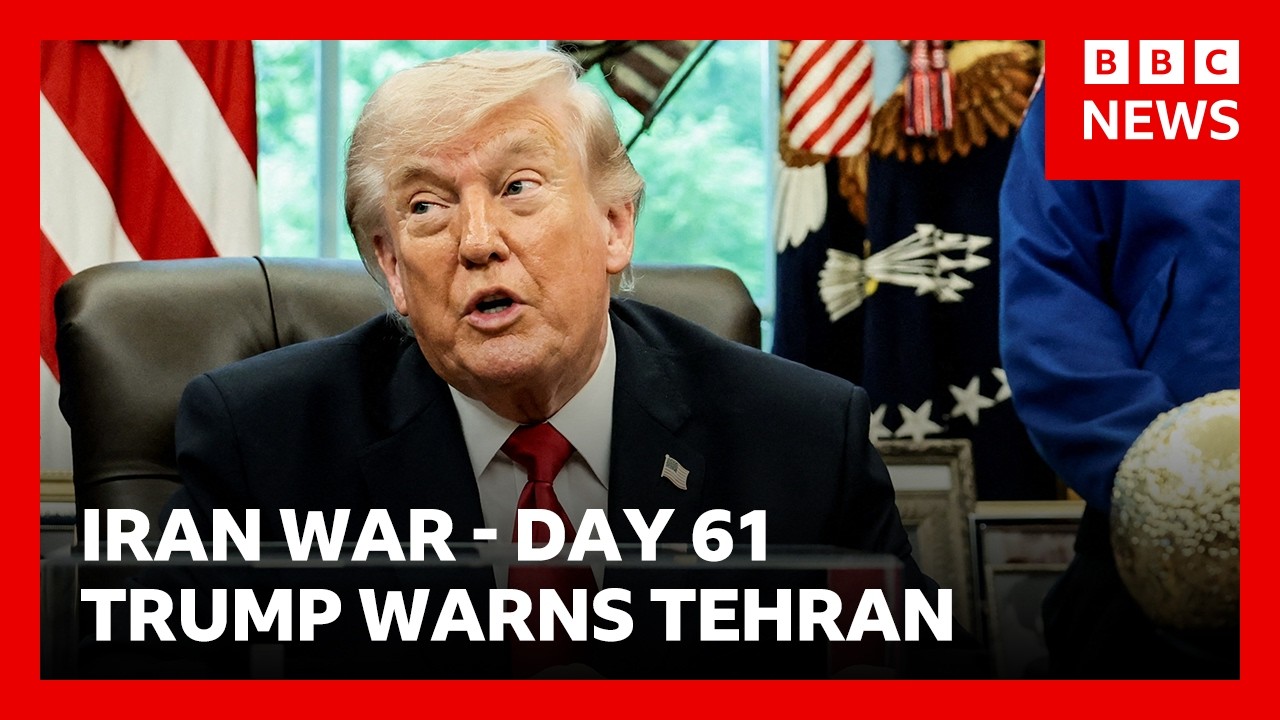
President **Donald Trump** has publicly stated he is not under pressure to finalize a peace deal with **Iran**, despite an upcoming Wednesday deadline for a cea
Summary
President **Donald Trump** has publicly stated he is not under pressure to finalize a peace deal with **Iran**, despite an upcoming Wednesday deadline for a ceasefire. However, the path forward remains murky as **Iran** has indicated it has "no plans for the next round" of talks, which were reportedly slated to occur in **Islamabad**, **Pakistan**. A key sticking point appears to be the **US naval blockade** of the **Strait of Hormuz**, which intensified following a US seizure of an Iranian cargo ship. Meanwhile, the **Israel-Lebanon ceasefire**, initiated last Friday, is described as fragile.
Key Takeaways
- President Trump denies feeling pressured to reach a deal with Iran.
- Iran has signaled no immediate plans for further negotiation rounds.
- The US naval blockade of the Strait of Hormuz remains a significant obstacle.
- A fragile 10-day Israel-Lebanon ceasefire is currently in effect.
- The location for potential US-Iran talks, Islamabad, is under heightened security.
Balanced Perspective
The current situation presents a complex diplomatic standoff. **Trump's** denials of pressure are a standard negotiating tactic, while **Iran's** stated lack of immediate plans for further talks could be a strategic maneuver or a genuine reflection of stalled progress. The blockade of the **Strait of Hormuz** is a significant point of contention, and its resolution is likely critical for any deal. The **Israel-Lebanon ceasefire** is in its early stages, and its longevity remains to be seen, impacting the broader regional security environment.
Optimistic View
The optimistic view suggests that **Trump's** assertion of no pressure indicates a strong negotiating position, allowing the US to secure favorable terms for a lasting peace. The potential for a deal, even if delayed, signifies a commitment to de-escalation, and the planned US delegation visit to **Pakistan**, even without confirmed timings, shows continued diplomatic engagement. The fragile **Israel-Lebanon ceasefire** could also serve as a precedent for broader regional stability if successfully managed.
Critical View
The pessimistic outlook highlights the growing risk of renewed conflict. **Iran's** refusal to engage in further talks, coupled with the escalation around the **Strait of Hormuz**, suggests a breakdown in diplomatic channels. **Trump's** insistence on a deal "relatively quickly" might signal impatience that could lead to concessions or a hardening of positions. The fragility of the **Israel-Lebanon ceasefire** further underscores the volatile nature of the region, with a potential collapse of US-Iran talks adding another layer of instability.
Source
Originally reported by BBC