GOP Blocks War Powers Resolution on Iran Amidst Trump-Era Military
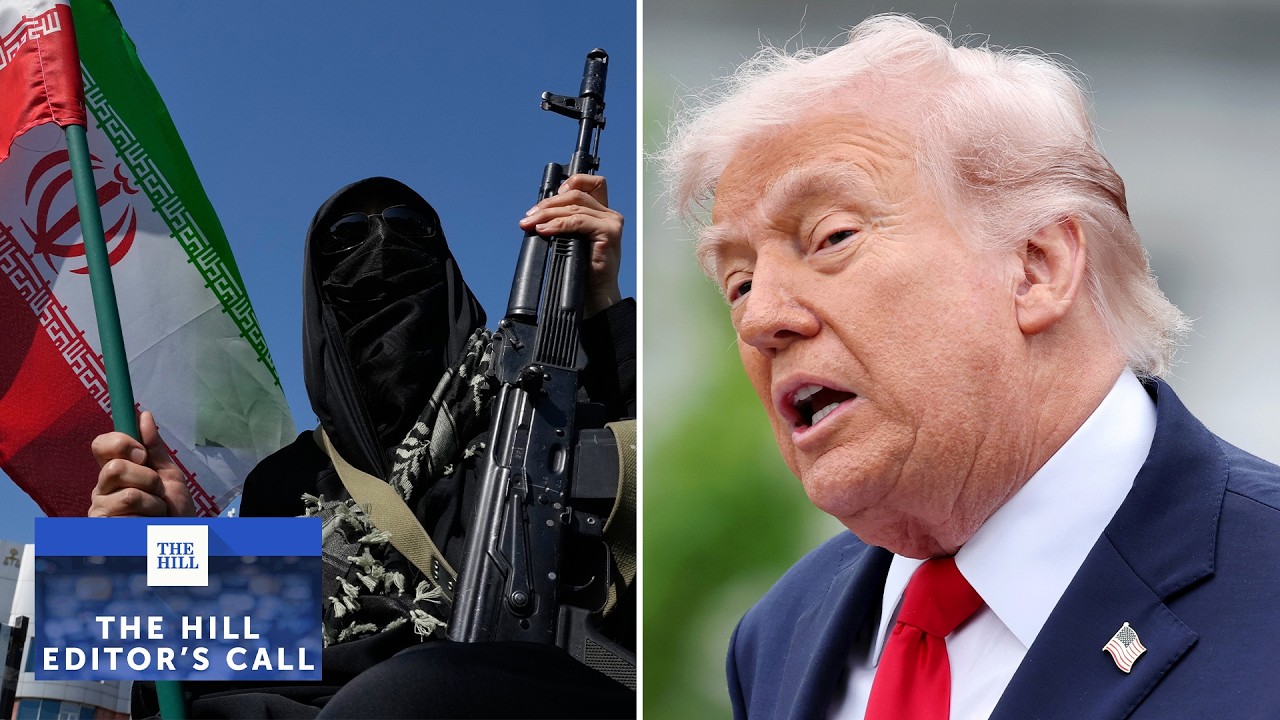
Republican senators have once again thwarted a War Powers Resolution aimed at limiting U.S. military involvement in Iran, marking the sixth such attempt to be b
Summary
Republican senators have once again thwarted a War Powers Resolution aimed at limiting U.S. military involvement in Iran, marking the sixth such attempt to be blocked. The move comes as Democrats intensified their scrutiny of former President **Donald Trump**'s defense secretary and the strategic underpinnings of potential military actions in the region. This recurring legislative gridlock highlights a deep partisan divide over executive authority in matters of war, particularly concerning the Middle East. The debate centers on whether Congress has sufficient oversight over presidential decisions to engage in or escalate conflicts, with **Trump**'s past actions in Iran serving as a focal point for Democratic concerns about an 'unauthorized war'.
Key Takeaways
- Republicans have blocked a sixth War Powers Resolution aimed at limiting U.S. military action in Iran.
- Democrats are criticizing former President Trump's defense secretary and strategy in the Middle East.
- The repeated blocking highlights a deep partisan divide over presidential war powers.
- The debate centers on executive authority versus congressional oversight in foreign policy.
- This recurring legislative gridlock impacts U.S. foreign policy and accountability.
Balanced Perspective
The core of this conflict lies in the differing interpretations of the **War Powers Resolution of 1973** and the scope of presidential authority versus congressional oversight. Republicans argue that these resolutions are an infringement on the President's role as Commander-in-Chief, particularly when facing immediate threats. Democrats, conversely, contend that the resolutions are essential checks and balances to prevent presidents from unilaterally engaging the U.S. in prolonged conflicts, citing concerns over transparency and accountability regarding military actions initiated under the **Trump** administration.
Optimistic View
This repeated blocking of war powers resolutions, while frustrating for Democrats, ultimately reinforces the **President**'s constitutional authority to act decisively in national security crises. The GOP's stance ensures that the executive branch retains flexibility to respond to evolving threats in Iran without being hamstrung by partisan legislative maneuvers. This allows for a more agile and effective foreign policy, crucial in a volatile region like the Middle East, and prevents political posturing from undermining critical defense operations.
Critical View
The continuous blocking of these resolutions by Republicans creates a dangerous precedent, effectively granting a blank check for potential military engagements without meaningful congressional consent. This erosion of legislative oversight, particularly concerning actions taken during the **Trump** presidency, leaves the U.S. vulnerable to 'unauthorized wars' and escalations driven by executive whim rather than national consensus. The lack of accountability risks entangling the nation in protracted conflicts with significant human and financial costs, all while bypassing democratic deliberation.
Source
Originally reported by The Guardian