Hegseth: Iran War Can Continue Past Legal Deadlines, Igniting
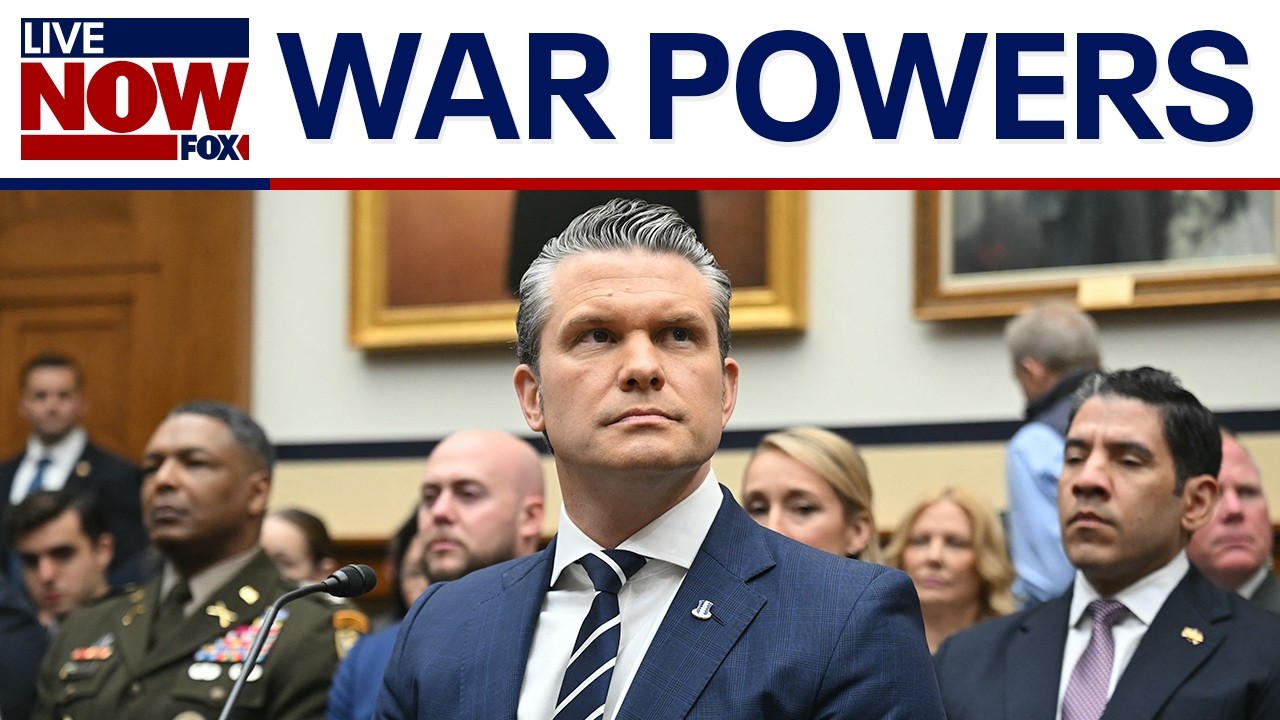
Defense Secretary **Pete Hegseth** declared on Thursday that U.S. troops can continue military operations in **Iran** indefinitely, even past existing legal dea
Summary
Defense Secretary **Pete Hegseth** declared on Thursday that U.S. troops can continue military operations in **Iran** indefinitely, even past existing legal deadlines, without explicit authorization from **Congress**. This assertion directly confronts the spirit, if not the letter, of the **War Powers Act of 1973**, which mandates presidential consultation with lawmakers regarding the deployment of forces into hostilities. Hegseth’s comments, made during a press briefing, suggest a willingness to bypass traditional legislative oversight in ongoing conflicts, potentially setting a precedent for future military engagements and reigniting long-standing debates about the balance of power between the executive and legislative branches in matters of war. The implications for congressional authority and the definition of an "imminent threat" are significant.
Key Takeaways
- Defense Secretary Pete Hegseth claims U.S. troops can remain in conflict with Iran indefinitely without congressional approval.
- This stance challenges the intent and application of the War Powers Act of 1973.
- The debate centers on the balance of power between the executive and legislative branches regarding military engagement.
- Critics fear this could lead to perpetual, unchecked warfare and erode democratic oversight.
- Supporters may argue for executive flexibility in responding to national security threats.
Balanced Perspective
The core of this perspective lies in the factual assertion that Defense Secretary **Pete Hegseth** stated U.S. troops can remain engaged in conflict with **Iran** beyond legal deadlines without congressional approval. This raises questions about the interpretation and enforcement of the **War Powers Act of 1973**. The Act requires presidents to notify Congress within 48 hours of introducing U.S. armed forces into hostilities and limits such deployments to 60 days (with a 30-day extension) unless Congress authorizes further action or declares war. Hegseth's remarks suggest the administration may be operating under a different interpretation of "hostilities" or "imminent threat" that bypasses these statutory requirements.
Optimistic View
From this viewpoint, Hegseth's statement signals a pragmatic approach to national security, prioritizing decisive action over bureaucratic hurdles. It suggests that the executive branch is capable of adapting to evolving threats in **Iran** and can effectively protect U.S. interests without being hamstrung by outdated legislative timelines. This perspective sees the Defense Secretary as a steady hand, ensuring operational continuity and troop safety in a volatile region, underscoring the president's constitutional role as Commander-in-Chief to respond swiftly to threats.
Critical View
This perspective views Hegseth's comments as a dangerous overreach of executive power, potentially ushering in an era of perpetual warfare unchecked by democratic oversight. It highlights the risk of mission creep and the erosion of **Congress**'s constitutional authority to declare war and fund military operations. Critics argue this stance normalizes undeclared wars, increases the likelihood of prolonged, costly conflicts with unclear objectives, and diminishes accountability to the American public. The precedent set could embolden future administrations to bypass legislative checks and balances, fundamentally altering the U.S. system of government.
Source
Originally reported by Politico