Hegseth Faces Senate Scrutiny Amid Escalating Iran Tensions and Gulf
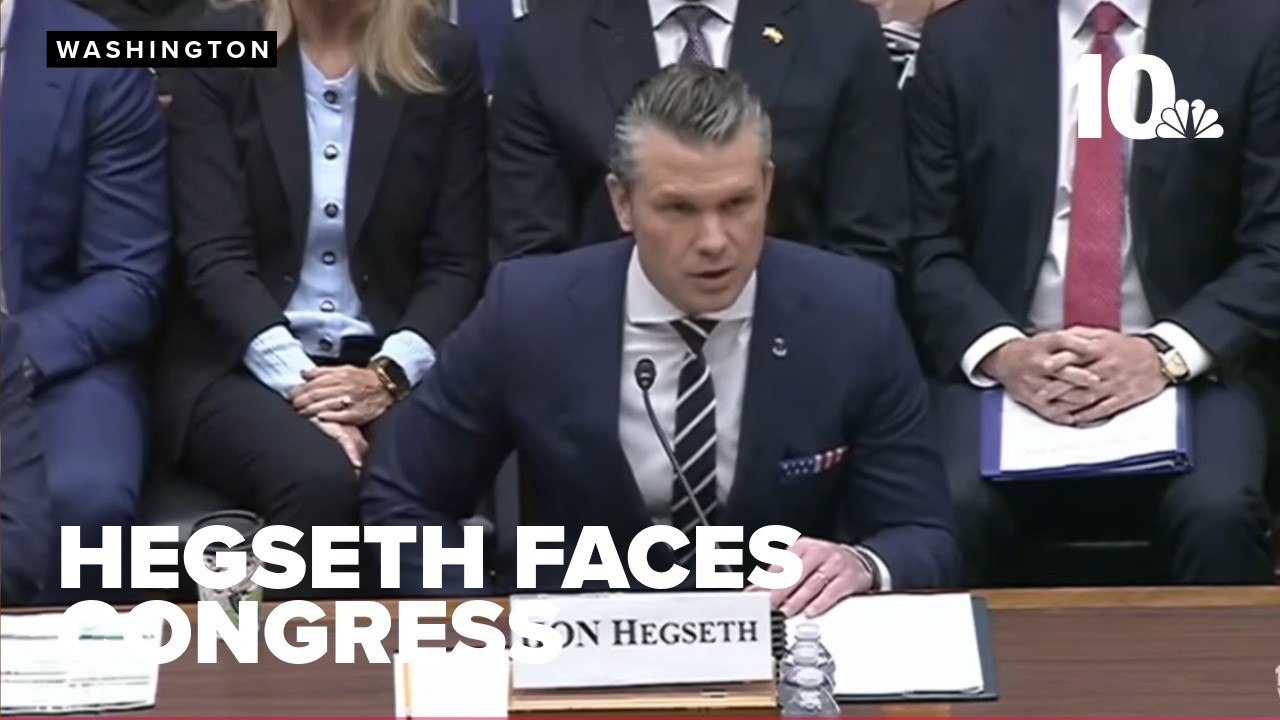
Defense Secretary **Pete Hegseth** is slated for a grilling in the **US Senate** concerning the escalating costs of ongoing conflicts. This comes as Iran's Supr
Summary
Defense Secretary **Pete Hegseth** is slated for a grilling in the **US Senate** concerning the escalating costs of ongoing conflicts. This comes as Iran's Supreme Leader, **Ayatollah Ali Khamenei**, issued stark threats, stating foreigners have no place in the Persian Gulf "except at the bottom of its waters." The dual pressures highlight the complex geopolitical tightrope the **US** is walking in the Middle East, balancing domestic fiscal concerns with international security challenges. The Senate hearing is expected to delve into budgetary allocations for military operations, while Khamenei's pronouncements signal a hardening of Iran's stance against perceived foreign interference, potentially impacting global oil markets and regional stability. This confluence of events underscores the volatile nature of the current geopolitical climate and the significant challenges facing US foreign policy.
Key Takeaways
- Defense Secretary Pete Hegseth faces a critical Senate hearing on war costs.
- Iranian Supreme Leader Khamenei issued direct threats against foreign presence in the Persian Gulf.
- The dual events highlight US challenges in managing both domestic budgets and international security.
- Escalating rhetoric from Iran poses risks to global energy markets and regional stability.
- The situation underscores the complex geopolitical landscape in the Middle East.
Balanced Perspective
The Senate hearing will focus on the financial implications of US military involvement, likely involving detailed questioning about budgets and strategic objectives. Simultaneously, **Ayatollah Khamenei's** rhetoric reflects Iran's long-standing policy of opposing foreign military presence in the Gulf. The juxtaposition of these events highlights the ongoing diplomatic and military challenges in the region. The outcome of the hearing and the actual impact of Iran's threats on regional dynamics remain to be seen, dependent on responses from the US, its allies, and other regional actors.
Optimistic View
The Senate hearing presents an opportunity for **transparency** and accountability regarding defense spending, potentially leading to more efficient resource allocation for ongoing conflicts. **Secretary Hegseth** can use this platform to articulate a clear strategy for managing war costs, reassuring allies and demonstrating US commitment to regional security. Khamenei's threats, while concerning, could also galvanize international cooperation to de-escalate tensions and reinforce maritime security in the Persian Gulf, ultimately fostering a more stable environment.
Critical View
The Senate's focus on war costs could be perceived as a sign of wavering US commitment, emboldening adversaries like Iran. **Khamenei's** threats, if not met with a firm and unified international response, could escalate tensions, leading to potential military confrontations and further disruption of vital oil supplies. This dual pressure risks creating a perception of US overstretch and indecision, potentially destabilizing an already volatile region and increasing the likelihood of costly, prolonged conflicts.
Source
Originally reported by The Guardian