Googlebooks: Android Laptops Meet Aggressive AI Integration
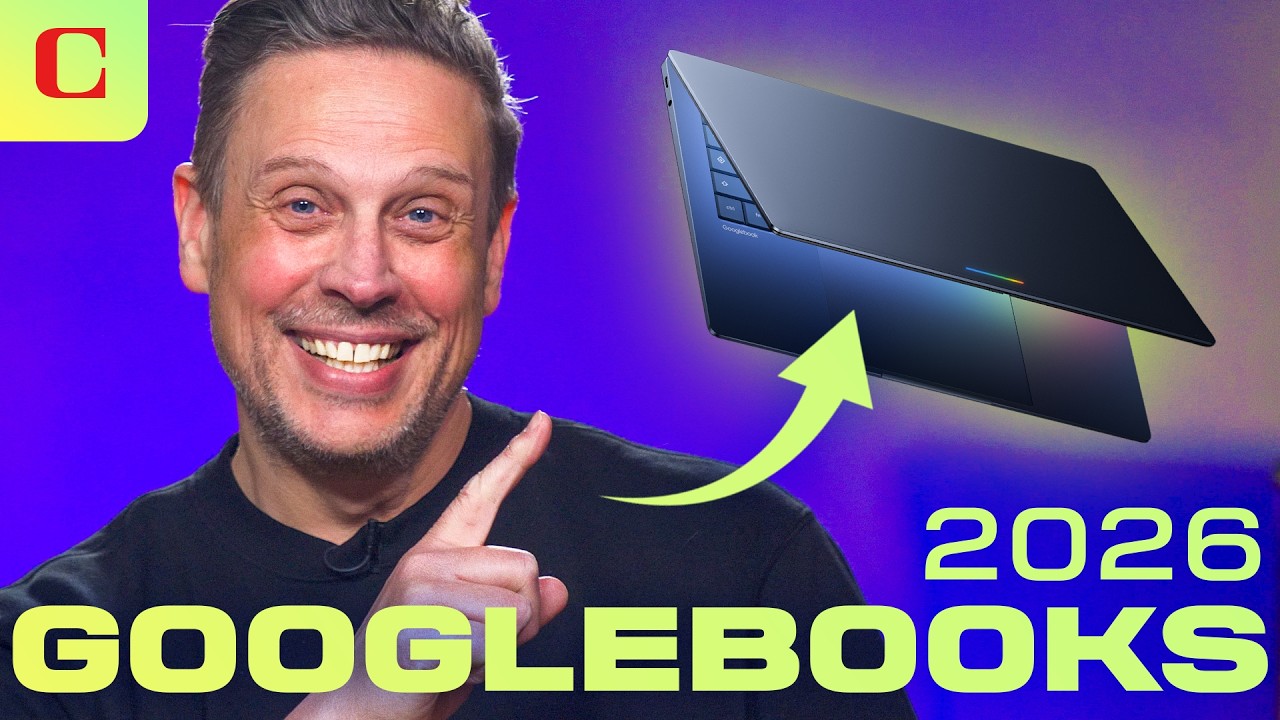
Google is launching a new line of laptops, dubbed 'Googlebooks,' which will run on a merged Android and ChromeOS platform, heavily integrating its **Gemini…
Summary
Google is launching a new line of laptops, dubbed 'Googlebooks,' which will run on a merged Android and ChromeOS platform, heavily integrating its **Gemini AI**. This move signals Google's ambition to capture the **premium laptop market**, differentiating from its budget-focused [[chromebooks|Chromebooks]] with advanced AI features like 'Magic Pointer' for contextual suggestions and drag-and-drop image combination. The company aims to out-innovate competitors like [[microsoft|Microsoft]]'s [[windows-11|Windows 11]] with its AI-first approach, while also expanding [[gemini-ai|Gemini]]'s capabilities to high-end Android phones. However, this launch occurs during a projected **11.3% decline in PC shipments for 2026**, presenting a significant market challenge.
Key Takeaways
- Google is launching 'Googlebooks,' premium laptops running a merged Android/ChromeOS with deep [[gemini-ai|Gemini]] integration.
- Features like 'Magic Pointer' aim to offer advanced AI-driven contextual suggestions and creative tools.
- The move targets the premium laptop market, differentiating from [[chromebooks|Chromebooks]] via AI and Android app support.
- The launch faces a challenging market with projected PC shipment declines in 2026.
- Privacy implications of aggressive AI integration and data usage remain a key concern.
Balanced Perspective
Google's strategy with 'Googlebooks' involves a significant platform shift, merging [[android|Android]] and [[chromeos|ChromeOS]] to embed [[gemini-ai|Gemini]] deeply into the user experience. The 'Magic Pointer' and image-combining features are presented as key differentiators, aiming to simplify complex tasks. The company is targeting the premium segment, a segment currently facing declining demand, and it remains to be seen if these AI-centric features will drive adoption among consumers or businesses. Pricing and specific performance benchmarks for the new hardware are yet to be disclosed.
Optimistic View
The 'Googlebooks' represent a bold leap forward, merging the ubiquitous [[android|Android]] ecosystem with cutting-edge [[gemini-ai|Gemini]] to create a truly intelligent computing experience. This AI-first approach, exemplified by features like 'Magic Pointer,' promises to streamline workflows and unlock creative potential, potentially revitalizing the stagnant laptop market and offering consumers a compelling alternative to [[macos|macOS]] and [[windows|Windows]] devices. The integration with Android apps further enhances versatility, making these devices a powerful hub for both productivity and personal use.
Critical View
The aggressive integration of [[gemini-ai|Gemini]] into 'Googlebooks' raises privacy concerns, especially given the lack of clarity on how user data, including photos, will be used for AI training. Launching a new premium laptop category into a declining PC market, as predicted by **IDC**, seems a high-risk gamble. The reliance on AI for core functionalities might alienate users who prefer a more traditional computing experience, and the 'Google-colored glowbar' hints at an intrusive brand presence that could be off-putting. Furthermore, the absence of a clear business target suggests a limited market appeal.
Source
Originally reported by The Register