
Contents
Overview
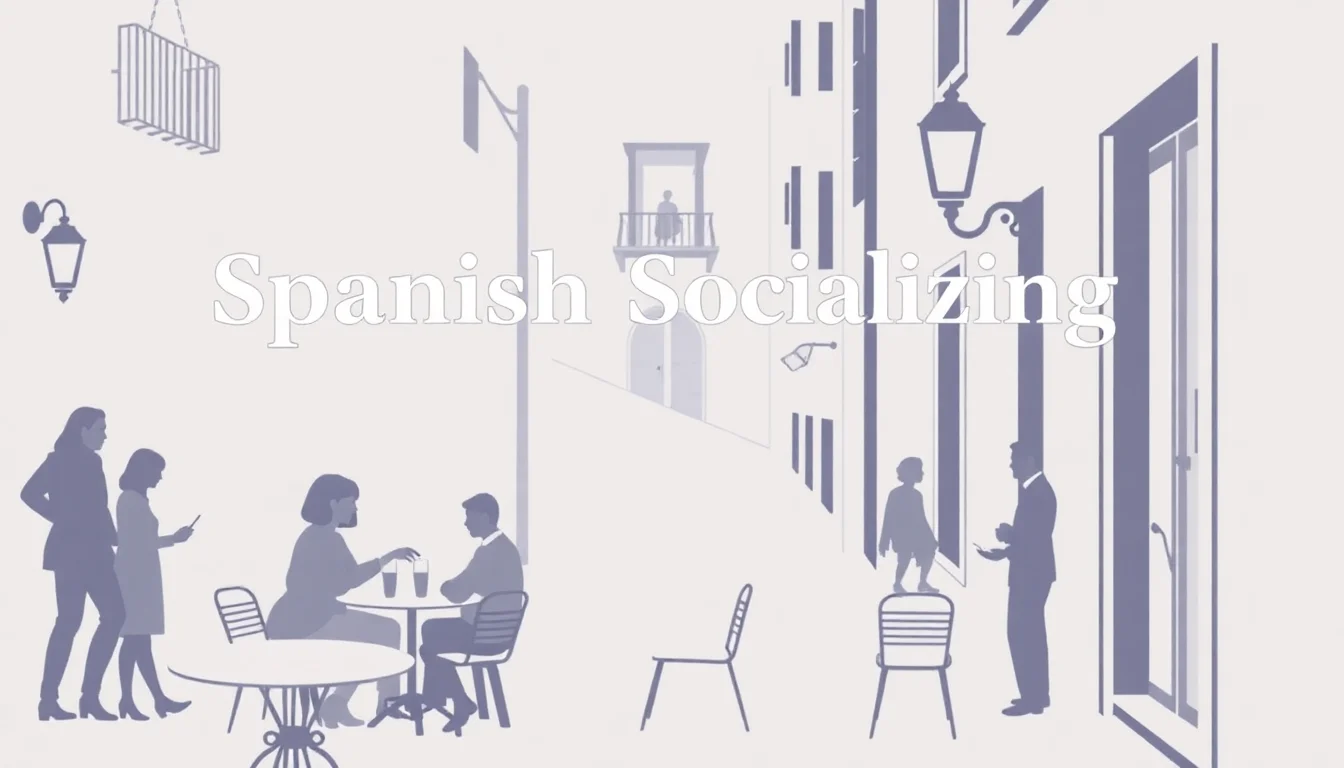
Spanish socializing isn't just about meeting people; it's a deeply ingrained cultural practice that prioritizes connection, conversation, and shared experiences. Forget the hurried coffee breaks of some Northern European cultures; here, social interaction is often a leisurely, extended affair, frequently centered around food and drink. It's about building relationships, fostering community, and enjoying the present moment. Whether it's a spontaneous chat in a public square or a meticulously planned small plates crawl, the emphasis is on genuine human connection. This guide is for anyone looking to navigate and embrace this vibrant aspect of Spanish life, from expats to curious travelers.
📍 Where to Experience It
The heart of Spanish socializing beats in its numerous bars, cafés, and dining establishments. Major cities like Madrid and Barcelona offer an overwhelming array of options, from traditional taverns serving vermouth to trendy rooftop bars with panoramic views. However, don't overlook the smaller towns and villages, where the local bar often serves as the true social nucleus. Look for places bustling with locals, especially during evening hours, as this is a strong indicator of authentic social activity. The pilgrimage route also offers unique social encounters, with pilgrims sharing stories and camaraderie.
⏰ When to Go
Timing is everything in Spanish social life. While spontaneous encounters can happen anytime, the peak social hours are typically in the late afternoon and evening. Lunch, often a significant meal, can extend for hours, blurring into early evening social gatherings. Dinner rarely begins before 9 PM, and social activities often continue well past midnight, particularly on weekends. Consider attending local festivals and patron saint celebrations, which are prime opportunities for widespread social engagement and experiencing traditional customs.
💰 Cost & Value
The cost of Spanish socializing is remarkably accessible, especially when compared to many other Western European countries. A typical small plate might range from €2-€5, and a glass of wine or beer is usually €2-€3. A full meal with drinks in a mid-range restaurant can cost €20-€30 per person. The real value lies not just in the affordability but in the richness of the experience. You're not just paying for food and drink; you're investing in hours of conversation, shared laughter, and the building of social capital. Many social gatherings are informal, making them low-cost entry points for participation.
⭐ What Locals Say
Locals often describe Spanish socializing as 'essential' and 'life-affirming.' They emphasize the importance of face-to-face interaction over digital communication, valuing the warmth and spontaneity of in-person gatherings. 'We live to talk, to share,' is a common sentiment. They'll tell you that the best conversations happen over a glass of Rioja wine or a plate of jamón ibérico. Many also highlight the generational aspect, with families and friends of all ages coming together. The concept of sobremesa – the time spent lingering at the table after a meal to chat – is particularly cherished.
💡 Pro Tips for Integration
To truly integrate, embrace the siesta culture by understanding that many shops close in the afternoon, but social life picks up in the evening. Learn a few basic Spanish phrases – even a simple 'Hola' and 'Gracias' go a long way. Don't be afraid to strike up conversations; Spaniards are generally open and friendly. Participate in tapeo (going from bar to bar for tapas) and sobremesa. Be patient; deep friendships take time to cultivate, but the effort is rewarded with genuine warmth and loyalty. Understand that punctuality for social events is often more relaxed than in other cultures.
🚀 Getting Started
To begin experiencing Spanish socializing, identify a local barrio (neighborhood) known for its social scene. Visit a busy taberna or cafetería during peak evening hours (after 8 PM). Order a drink and a small plate of tapas. Observe the interactions around you, and if the opportunity arises, engage with the bartender or a friendly-looking patron. For a more structured introduction, consider joining a language exchange group or a local club related to your interests. Many cities also offer guided tapas tours that provide an excellent starting point for understanding the culture.
Key Facts
- Year
- Ongoing
- Origin
- Spain
- Category
- Culture & Lifestyle
- Type
- Cultural Practice
Frequently Asked Questions
What is the best time of day to socialize in Spain?
The prime time for socializing in Spain is generally in the late afternoon and evening. Many social activities kick off after the workday, with bars and cafés filling up from around 7 PM onwards. Dinner is typically eaten late, around 9 PM or later, and social gatherings can extend well into the night, especially on weekends. Lunchtime can also be social, but it often transitions into the afternoon rest period.
Do I need to speak Spanish to socialize effectively?
While speaking Spanish will significantly enhance your experience and open more doors, it's not strictly mandatory to start socializing. Many Spaniards, especially in tourist areas and younger generations, have some English proficiency. However, making an effort to use basic Spanish phrases like 'Hola,' 'Gracias,' and 'Por favor' demonstrates respect and willingness to engage, which is highly appreciated and can lead to warmer interactions.
What is 'tapeo' and how do I participate?
'Tapeo' refers to the act of going from bar to bar, typically in the early evening, to enjoy a drink and a small plate of tapas at each establishment. To participate, simply find a lively street with several bars, order a drink (which often comes with a small tapa for free or at a low cost), and then move on to the next. It's a very social and informal way to eat and connect with others.
How important is punctuality for social events?
Punctuality in Spain is generally more relaxed than in some other cultures, particularly for informal social gatherings. Arriving 15-30 minutes after the stated time for a dinner party or casual meet-up is often considered normal. However, for more formal events like business meetings or theater performances, punctuality is expected. It's always best to gauge the context or ask your host if unsure.
What is 'sobremesa'?
'Sobremesa' is the cherished tradition of lingering at the table after a meal to continue conversation and enjoy each other's company. It's a time for relaxed discussion, storytelling, and strengthening bonds, without the immediate rush to leave. This practice highlights the Spanish emphasis on relationships and shared time over strict schedules.
Are there specific social etiquette rules I should be aware of?
Greetings often involve two kisses on the cheek (starting with the right cheek) between women, and between men and women. Men typically shake hands. Spaniards tend to be more physically expressive in conversation, using gestures and maintaining closer proximity than in some other cultures. Directness in conversation is common, and interrupting is not always seen as rude but rather as enthusiastic engagement.