
Contents
- ☀️ What Exactly IS a Solar Home System?
- 💡 Who Needs Solar Power?
- 💰 Understanding the Costs & Incentives
- 🛠️ Installation: The Nitty-Gritty
- ⚡ System Components: The Building Blocks
- 📈 Performance & Maintenance: Keeping It Running
- ⚖️ Solar vs. The Grid: A Tough Comparison
- 🔮 The Future of Home Solar
- Frequently Asked Questions
- Related Topics
Overview
Solar home systems are no longer a fringe concept; they're a tangible pathway to energy independence and reduced utility bills. This guide cuts through the hype, detailing the core components – photovoltaic panels, inverters, and often batteries – and how they work in concert to convert sunlight into usable electricity. We'll explore the critical factors influencing your decision, from roof suitability and local sunlight hours to the often-confusing world of incentives and financing. Whether you're aiming for grid-tied savings or complete off-grid autonomy, understanding the real-world costs, installation complexities, and long-term maintenance is paramount. This isn't just about going green; it's about smart investment and taking control of your energy future.
☀️ What Exactly IS a Solar Home System?
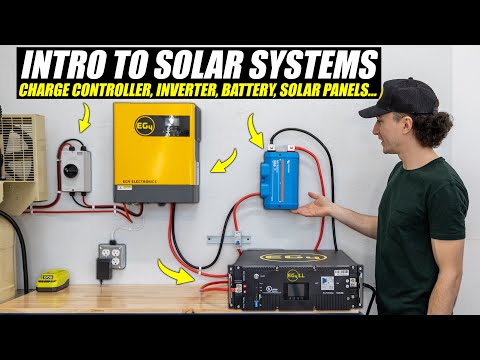
A solar home system isn't just a few panels on your roof; it's a complete ecosystem designed to capture the sun's energy and convert it into usable electricity for your home. Think of it as your personal, clean power plant. The core components include photovoltaic (PV) panels that absorb sunlight, an inverter to transform direct current (DC) electricity into alternating current (AC) your appliances use, and often, a battery storage system for nighttime power or grid outages. This technology, rooted in the photovoltaic effect discovered by Edmond Becquerel in 1839, has evolved dramatically from niche applications to a mainstream energy solution.
💡 Who Needs Solar Power?
If you own a home with adequate, unshaded roof space or land, and you're tired of volatile electricity bills or concerned about your carbon footprint, solar is likely for you. Homeowners in regions with high sunshine hours, like California or Arizona, see the quickest return on investment. However, even in less sunny climates, advancements in panel efficiency and battery technology are making solar increasingly viable. It's for the forward-thinking homeowner who wants greater energy independence and a hedge against rising energy costs.
💰 Understanding the Costs & Incentives
The upfront cost of a solar system can be substantial, often ranging from $15,000 to $30,000 for a typical residential setup, depending on system size and complexity. However, this is where government incentives and tax credits become crucial. The federal Investment Tax Credit (ITC) currently allows you to deduct 30% of the system cost from your federal taxes. Many states and local municipalities offer additional rebates, performance-based incentives (PBIs), or net metering programs that credit you for excess energy sent back to the grid. These financial mechanisms can drastically reduce the net cost and shorten the payback period, often to 7-12 years.
🛠️ Installation: The Nitty-Gritty
Installation is typically handled by certified solar professionals and takes anywhere from 1 to 3 days for a standard home. The process involves mounting racking systems onto your roof (or ground mounts), attaching the solar panels, and then wiring them to an inverter and your home's electrical panel. A critical step is securing permits and inspections from your local building department, ensuring the system meets safety and electrical codes. Choosing a reputable installer with a strong warranty is paramount; look for companies with at least 5-10 years of experience and positive customer reviews.
⚡ System Components: The Building Blocks
At the heart of every system are the PV panels, which convert sunlight into DC electricity. The inverter is the brain, managing the energy flow and converting DC to AC. Battery storage systems, like those from Tesla Powerwall or LG Chem, are increasingly popular, allowing you to store excess solar energy for use at night or during power outages, enhancing energy independence. Some systems also include monitoring software that lets you track your system's performance and energy production in real-time via a smartphone app.
📈 Performance & Maintenance: Keeping It Running
A well-maintained solar system can last 25-30 years or more, with panels degrading only slightly over time (typically less than 1% per year). Most systems require minimal maintenance, primarily occasional cleaning to remove dirt or debris that can reduce efficiency. Professional inspections every few years are recommended to ensure all components are functioning optimally. Performance is measured in kilowatt-hours (kWh) produced, and your installer will provide estimates based on your location, roof orientation, and shading. Understanding your system's output is key to maximizing its value.
⚖️ Solar vs. The Grid: A Tough Comparison
Comparing solar to the traditional utility grid involves weighing upfront costs against long-term savings and environmental benefits. While the grid offers instant, reliable power without installation hassle, you're subject to fluctuating prices and the environmental impact of fossil fuels. Solar requires an initial investment but offers predictable energy costs, reduced or eliminated electricity bills, and a significantly lower carbon footprint. Net metering policies are a critical factor in this comparison, determining how much credit you receive for excess generation, directly impacting the financial viability of going solar.
🔮 The Future of Home Solar
The future of home solar is bright, driven by falling costs, improving battery technology, and increasing demand for renewable energy. We're seeing innovations like building-integrated photovoltaics (BIPV) where solar cells are incorporated directly into roofing materials, windows, or facades. Smart grid integration will allow homes with solar to play a more active role in grid stability, potentially earning revenue for providing grid services. Expect systems to become more efficient, more affordable, and more seamlessly integrated into our homes, further accelerating the transition away from fossil fuels.
Key Facts
- Year
- 2023
- Origin
- Vibepedia.wiki
- Category
- Renewable Energy & Home Technology
- Type
- Resource Guide / Explainer
Frequently Asked Questions
How long does a solar panel system last?
Most solar panels are warrantied for 25 years and are designed to last 30 years or more. The inverters typically have a shorter lifespan, often 10-15 years, and may need replacement during the system's lifetime. Battery storage systems also have their own lifespans, usually rated for a certain number of charge cycles or years of performance.
Do solar panels work on cloudy days?
Yes, solar panels still generate electricity on cloudy days, but at a reduced output. They capture sunlight, not just direct rays, so diffused light on overcast days will still produce power. The efficiency reduction varies depending on the cloud cover's density and the panel technology.
What happens to my solar power system during a power outage?
If you have a grid-tied system without battery backup, it will shut down during a power outage for safety reasons. However, if you have a solar system with battery storage, it can continue to power your home, providing backup power and enhancing your energy security.
Can I install solar panels myself?
While DIY installation is technically possible, it's strongly discouraged for most homeowners. Solar installations involve complex electrical work and require specialized knowledge to ensure safety, efficiency, and compliance with building codes. Professional installers are licensed, insured, and familiar with the permitting process, which is crucial for accessing incentives and warranties.
How much electricity can a typical home solar system produce?
A typical 5-kilowatt (kW) residential solar system can produce around 7,000-9,000 kWh of electricity per year, depending on your location's solar irradiance and system orientation. This can offset a significant portion, or even all, of a home's annual electricity consumption, leading to substantial savings on utility bills.
What is net metering?
Net metering is a billing mechanism that allows you to receive credit for the electricity your solar panels produce that you don't use. This excess energy is sent back to the utility grid, and your utility company credits your account, effectively reducing your monthly bill. Policies vary by state and utility, so understanding your local net metering rules is essential.