
Contents
Overview
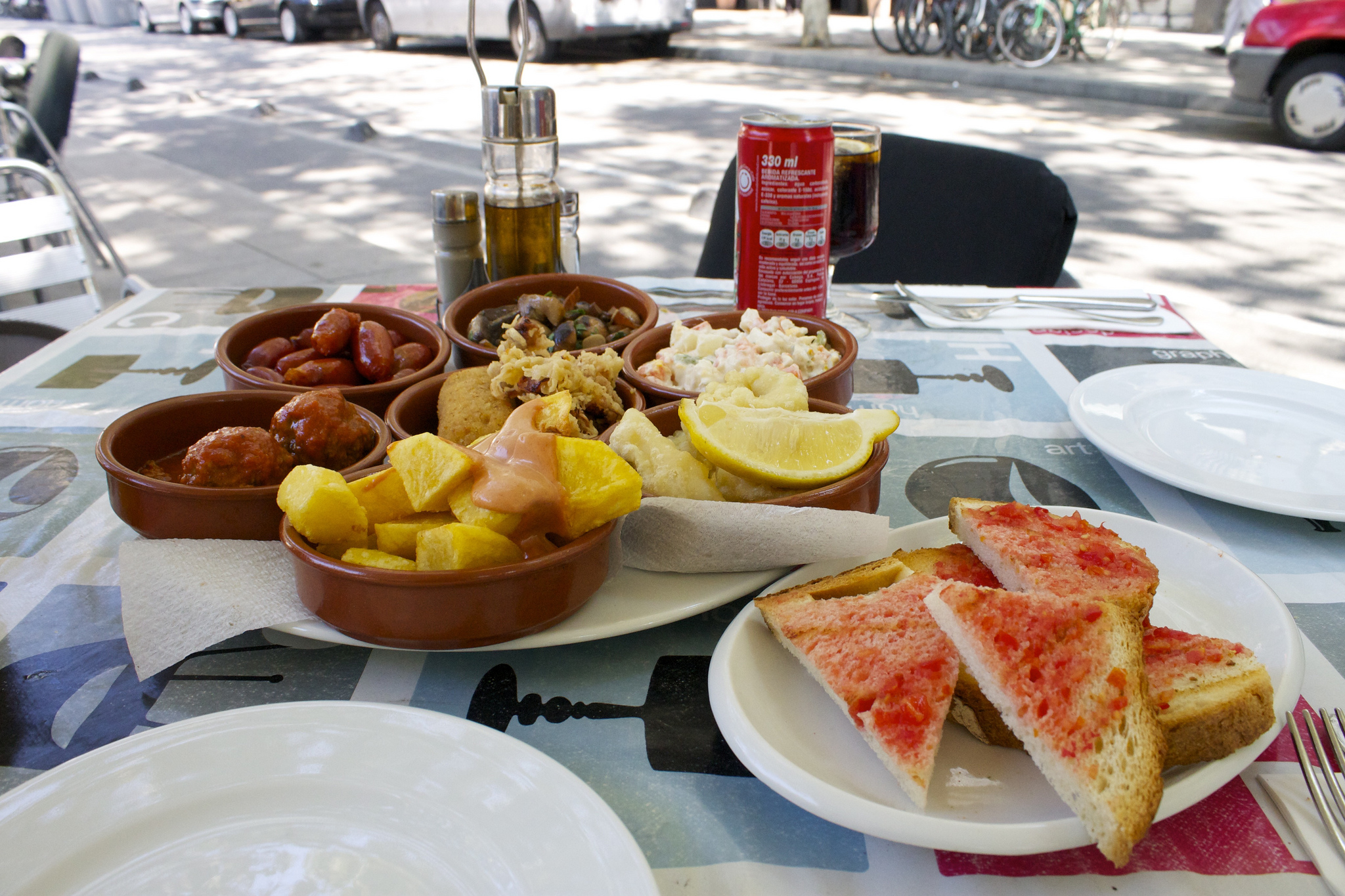
Small plates are individual dishes, often appetizer-sized, that are ordered à la carte and frequently shared among diners. This approach, distinct from traditional multi-course meals, draws inspiration from global traditions like Spanish tapas and Chinese dim sum, offering a flexible and interactive way to experience a wider range of flavors and textures. Popularized in the early 21st century, particularly in urban centers across North America and Europe, small plates have reshaped restaurant menus and dining room dynamics. They encourage exploration, conversation, and a communal approach to eating, transforming a meal into a curated culinary journey rather than a linear progression of dishes. The trend reflects a broader cultural shift towards experiential consumption and a desire for variety and customization in dining.
🎵 Origins & History
The concept of serving small, shareable dishes isn't new; ancient civilizations and various cultures have long practiced communal dining with an array of small bites. Precursors like Spanish tapas bars, which have existed for centuries, provided a clear model. By the early 2000s, this style was gaining popularity, emphasizing variety and shared experience. This movement coincided with a growing interest in global cuisines and a desire for more casual, yet sophisticated, dining experiences, moving away from the rigid formality of traditional fine dining establishments.
⚙️ How It Works
The mechanics of a small plates dining experience are centered on flexibility and choice. Diners typically peruse a menu featuring numerous individual dishes, each designed to be smaller than a standard entrée. Instead of ordering one main course, patrons select several small plates, often with input from their dining companions, to be shared. These dishes are usually brought to the table sequentially or all at once, depending on the restaurant's service style and the diner's preference. The kitchen often prepares dishes as they are ordered, allowing for a dynamic flow of food. This model allows for a "tasting menu"-like experience without the fixed price or predetermined sequence, enabling diners to control both the variety and quantity of food consumed, fostering a more interactive and social meal.
📊 Key Facts & Numbers
The small plates market has seen substantial growth, with many restaurants dedicating significant portions of their menus to this format. The average cost per small plate can range from $8 to $25, with a typical diner ordering 3-5 plates per person for a complete meal. This trend has contributed to a significant increase in average check sizes, as diners often order more individual items than they would traditional entrées. The global small plates market is projected to reach over $50 billion by 2027, according to reports from market research firms.
👥 Key People & Organizations
Several chefs and restaurateurs have been pivotal in championing the small plates movement. José Andrés, through his restaurants like Minibar by José Andrés, has consistently pushed the boundaries of innovative small-format dining, drawing heavily from his Spanish heritage. Mario Batali, during his tenure at restaurants like Babbo, also popularized Italian-inspired small plates. Organizations like the James Beard Foundation have recognized chefs and restaurants that excel in this culinary style, further legitimizing its importance. The rise of food bloggers and culinary critics, such as David Chang and publications like Bon Appétit magazine, have also played a crucial role in disseminating and celebrating the small plates trend to a wider audience.
🌍 Cultural Impact & Influence
The influence of small plates extends far beyond restaurant menus; it has fundamentally altered social dining habits. It encourages conversation and interaction, as diners are constantly discussing and sharing their selections. This format has also democratized fine dining, making sophisticated culinary experiences more accessible and less intimidating than formal, multi-course meals. The emphasis on variety has broadened palates, introducing diners to ingredients and flavor combinations they might not encounter otherwise. Furthermore, the small plates model has influenced home entertaining, with many hosts adopting a tapas-style approach for parties and gatherings, reflecting a broader cultural shift towards communal and experiential consumption.
⚡ Current State & Latest Developments
As of 2024, small plates remain a significant part of the culinary world, with many establishments continuing to refine and innovate within this format. We're seeing a rise in hyper-regional small plates, focusing on specific culinary traditions from places like Vietnam, Mexico, or India. There's also a growing trend towards "chef's choice" small plate selections, allowing chefs greater creative control and diners a curated surprise. Sustainability is also becoming a key factor, with restaurants designing small plates menus to minimize food waste by utilizing whole ingredients. The integration of technology, such as interactive digital menus that allow for real-time ordering and customization, is also enhancing the small plates experience.
🤔 Controversies & Debates
The primary controversy surrounding small plates often revolves around perceived value for money. Critics argue that diners can end up spending significantly more on a meal composed of small plates than they would on a traditional entrée, without necessarily feeling as satiated. There's also debate about the "sharing" aspect; while intended to be communal, some find it can lead to awkward negotiations over who gets the last bite or the most popular dish. Another point of contention is the potential for inconsistency in portion sizes and quality across different establishments, leading to a "hit or miss" dining experience. Some traditionalists also lament the decline of the classic multi-course meal structure, viewing small plates as a dilution of culinary artistry.
🔮 Future Outlook & Predictions
The future of small plates is expected to include continued innovation. We'll likely see further integration with technology, including AI-powered menu recommendations based on diner preferences and dietary needs. The concept may also evolve into more specialized formats, such as "micro-plates" or "tasting flights" of even smaller portions, catering to extreme variety seekers. Expect to see more fusion approaches, blending small plate traditions from different cultures. Furthermore, as dining becomes increasingly personalized, small plates offer a flexible framework that can adapt to individual dietary restrictions and preferences more easily than set menus. The trend is also likely to continue influencing fast-casual dining, with more "build-your-own" small plate concepts emerging.
💡 Practical Applications
Small plates have found practical applications far beyond upscale restaurants. They are a staple in tapas bars and gastropubs worldwide. The format is ideal for cocktail bars looking to offer substantial snacks that complement drinks without overwhelming patrons. In catering and event planning, small plates allow for diverse dietary accommodations and a dynamic flow of food service. Home cooks also utilize the concept for party planning and appetizer creation, offering guests a variety of flavors. Even in institutional settings, like corporate cafeterias or university dining halls, elements of small plates are being adopted to offer more choice and reduce waste.
Key Facts
- Category
- culture
- Type
- concept