
Contents
- 🎯 What is Self-Myofascial Release (SMR)?
- 🛠️ Tools of the Trade: Your SMR Arsenal
- 🏃 Who Benefits Most from SMR?
- 💡 The Science Behind the Squeeze: How it Works
- 📈 SMR vs. Other Recovery Modalities
- ⚠️ Potential Pitfalls and When to Be Cautious
- ✅ Getting Started: Your First SMR Session
- 🌟 Expert Tips for Maximizing Your SMR Practice
- Frequently Asked Questions
- Related Topics
Overview
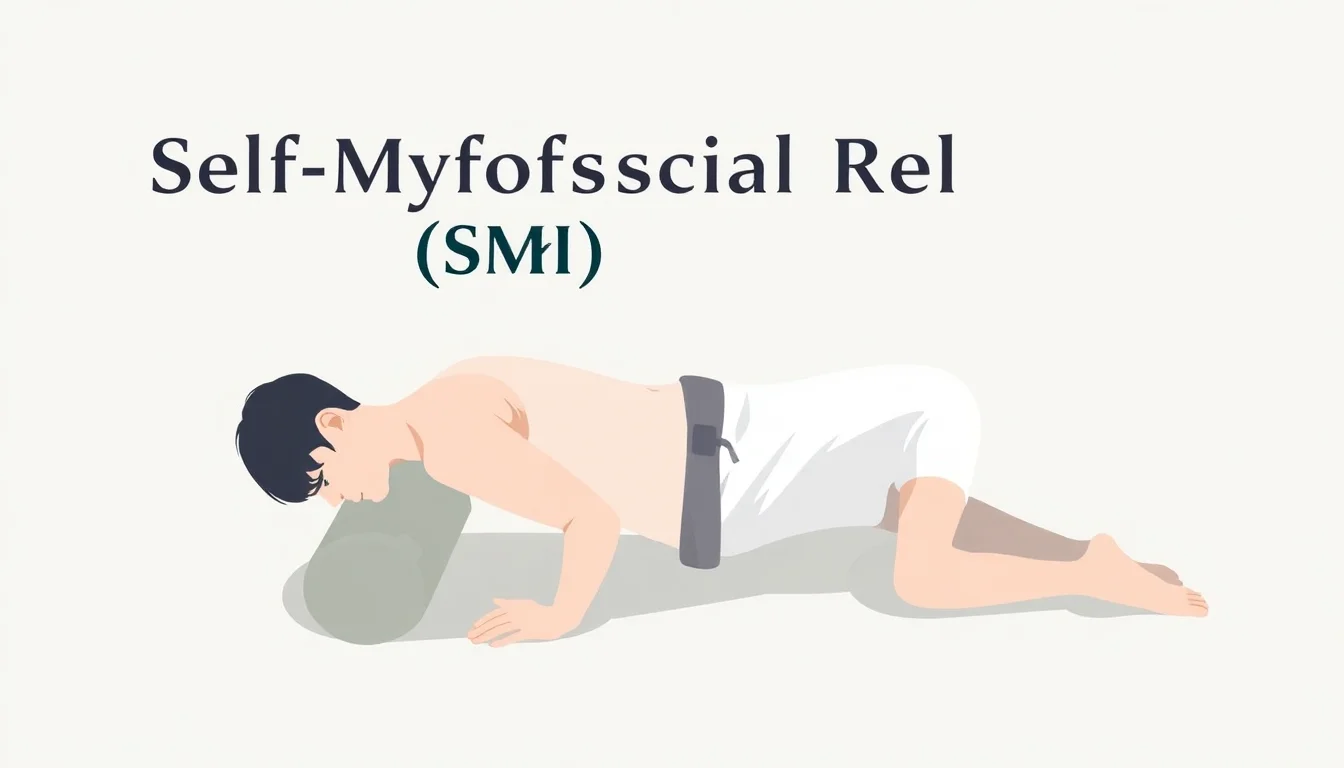
Self-Myofascial Release (SMR) is a technique that uses body weight and tools like foam rollers or massage balls to apply pressure to specific points on the body, aiming to alleviate muscle tightness and trigger points. Think of it as a DIY deep tissue massage, targeting the fascia – the connective tissue that surrounds muscles. This practice is rooted in understanding the body's interconnected kinetic chains and aims to restore muscle length and function. While often associated with athletes, its benefits extend to anyone experiencing muscle soreness or restricted movement, making it a cornerstone of modern physical therapy and sports recovery. The goal is to break up adhesions and scar tissue that can form due to injury, overuse, or poor posture, thereby improving flexibility and reducing pain.
🛠️ Tools of the Trade: Your SMR Arsenal
Your SMR journey begins with selecting the right tools. The most common is the foam roller, available in various densities and textures. Softer rollers are good for beginners, while firmer, textured ones offer a more intense experience. massage balls, such as lacrosse balls or specialized trigger point balls, are excellent for targeting smaller, more precise areas like the feet, shoulders, and hips. lacrosse balls are particularly popular for their firm, consistent pressure. For deeper tissue work, consider vibrating foam rollers, which add an extra dimension of therapeutic vibration to the myofascial release process. The choice of tool often depends on the specific muscle group and the desired intensity of the release.
🏃 Who Benefits Most from SMR?
SMR is a versatile tool, but certain groups stand to gain the most. athletes of all levels, from weekend warriors to professional competitors, use SMR to enhance performance, speed up recovery, and prevent injuries. desk workers and individuals with sedentary lifestyles often experience tightness in the hips, back, and neck due to prolonged sitting, making SMR a vital practice for counteracting these effects. physical therapists and chiropractors frequently incorporate SMR into rehabilitation programs for clients recovering from injuries or surgeries. Even individuals dealing with chronic pain conditions like fibromyalgia may find relief through consistent SMR practice, though consultation with a healthcare professional is advised.
💡 The Science Behind the Squeeze: How it Works
The mechanism behind SMR's effectiveness lies in its ability to influence the neuromuscular system. When you apply sustained pressure to a tight muscle or fascia, it triggers a Golgi tendon organ response, signaling the muscle to relax. This autogenic inhibition allows the muscle fibers to lengthen and release tension. Furthermore, SMR can help to improve blood circulation to the affected area, delivering vital nutrients and removing metabolic waste products. By reducing muscle stiffness and improving tissue hydration, SMR contributes to enhanced range of motion and decreased perceived pain, making it a powerful self-care intervention.
📈 SMR vs. Other Recovery Modalities
Compared to other recovery methods, SMR offers a unique blend of accessibility and efficacy. deep tissue massage by a professional therapist can be highly effective but is often more expensive and requires scheduling appointments. stretching, while beneficial for flexibility, may not always address deeper fascial restrictions or trigger points as effectively as targeted pressure. foam rolling (a form of SMR) provides a more direct approach to fascial release than static stretching alone. While massage guns offer rapid percussive therapy, SMR tools allow for sustained pressure and self-directed targeting of specific adhesions, offering a complementary approach to muscle recovery.
⚠️ Potential Pitfalls and When to Be Cautious
While SMR is generally safe, it's not without its potential downsides. Applying too much pressure, especially on bony prominences or sensitive areas like the lower back, can lead to bruising or exacerbate existing pain. It's crucial to avoid rolling directly over joints or the spine. Individuals with certain medical conditions, such as osteoporosis, varicose veins, or acute injuries, should consult a healthcare provider before starting SMR. Overdoing SMR, particularly on the same muscle group daily without adequate recovery, can sometimes lead to increased inflammation or sensitivity. Listen to your body and err on the side of caution.
✅ Getting Started: Your First SMR Session
Embarking on your SMR journey is straightforward. Start with a basic foam roller and focus on major muscle groups like the quadriceps, hamstrings, calves, and upper back. Begin by gently rolling over the muscle, pausing for 20-30 seconds on any tender spots (trigger points). Breathe deeply and allow your body to relax into the pressure. Avoid rolling too quickly; slow, controlled movements are key. For areas like the glutes or shoulders, a massage ball might offer more precise targeting. Aim for 5-10 minutes per major muscle group, 3-5 times per week, or as needed for muscle recovery and flexibility.
🌟 Expert Tips for Maximizing Your SMR Practice
To truly unlock the power of SMR, consider these advanced tips. Hydration is paramount; drink plenty of water before and after your sessions to aid in flushing out toxins and keeping fascia pliable. Combine SMR with dynamic stretching before workouts to improve mobility and static stretching post-workout to enhance flexibility. Experiment with different tools and techniques – try cross-friction rolling or using the ball against a wall for targeted shoulder work. Don't neglect often-overlooked areas like the forearms, chest, and even the soles of your feet. Consistent practice, coupled with mindful body awareness, is the secret to long-term benefits and pain-free movement.
Key Facts
- Year
- 1980
- Origin
- Developed from manual therapy techniques, popularized by figures like Dr. Leon Chaitow and later integrated into athletic training by coaches and therapists in the late 20th century.
- Category
- Health & Wellness
- Type
- Technique
Frequently Asked Questions
How long should I hold pressure on a tender spot during SMR?
When you find a tender spot, or trigger point, hold sustained pressure for 20-30 seconds. The goal is to feel the tension gradually release. If the pain is sharp or unbearable, ease up on the pressure. Breathing deeply during this hold can also help signal your nervous system to relax the muscle.
Can SMR help with back pain?
Yes, SMR can be very effective for certain types of back pain, particularly when caused by tight muscles in the hips, glutes, and upper back that contribute to poor spinal alignment. However, it's crucial to avoid rolling directly on the spine itself. Focus on the surrounding musculature. If you have acute back pain or a diagnosed spinal condition, consult a healthcare professional before starting.
What's the difference between a foam roller and a massage ball?
Foam rollers are best for larger muscle groups like the quads, hamstrings, and back, providing broader pressure. Massage balls, like lacrosse balls, are ideal for smaller, more targeted areas such as the feet, shoulders, hips, and glutes, allowing for precise trigger point release. Many people use both in their SMR routine.
How often should I do SMR?
For general muscle maintenance and recovery, performing SMR 3-5 times per week is often recommended. You can also use it daily for specific tight areas, especially if you have a demanding training schedule. Listen to your body; if you experience increased soreness, reduce the frequency or intensity.
Is SMR painful?
SMR can be uncomfortable, especially when targeting tight muscles or trigger points. It's often described as a 'good hurt.' However, it should not be intensely painful. If you experience sharp, shooting, or unbearable pain, you are likely applying too much pressure or targeting an area that requires professional medical attention. Adjust your pressure or move to a less sensitive spot.
Can I do SMR before or after a workout?
SMR can be beneficial both before and after workouts. Performing SMR before exercise, particularly with lighter pressure and dynamic movements, can help improve range of motion and prepare muscles for activity. After a workout, SMR can aid in recovery by reducing muscle soreness and promoting relaxation. Some prefer to use it as a separate recovery session on rest days.