
Contents
Overview
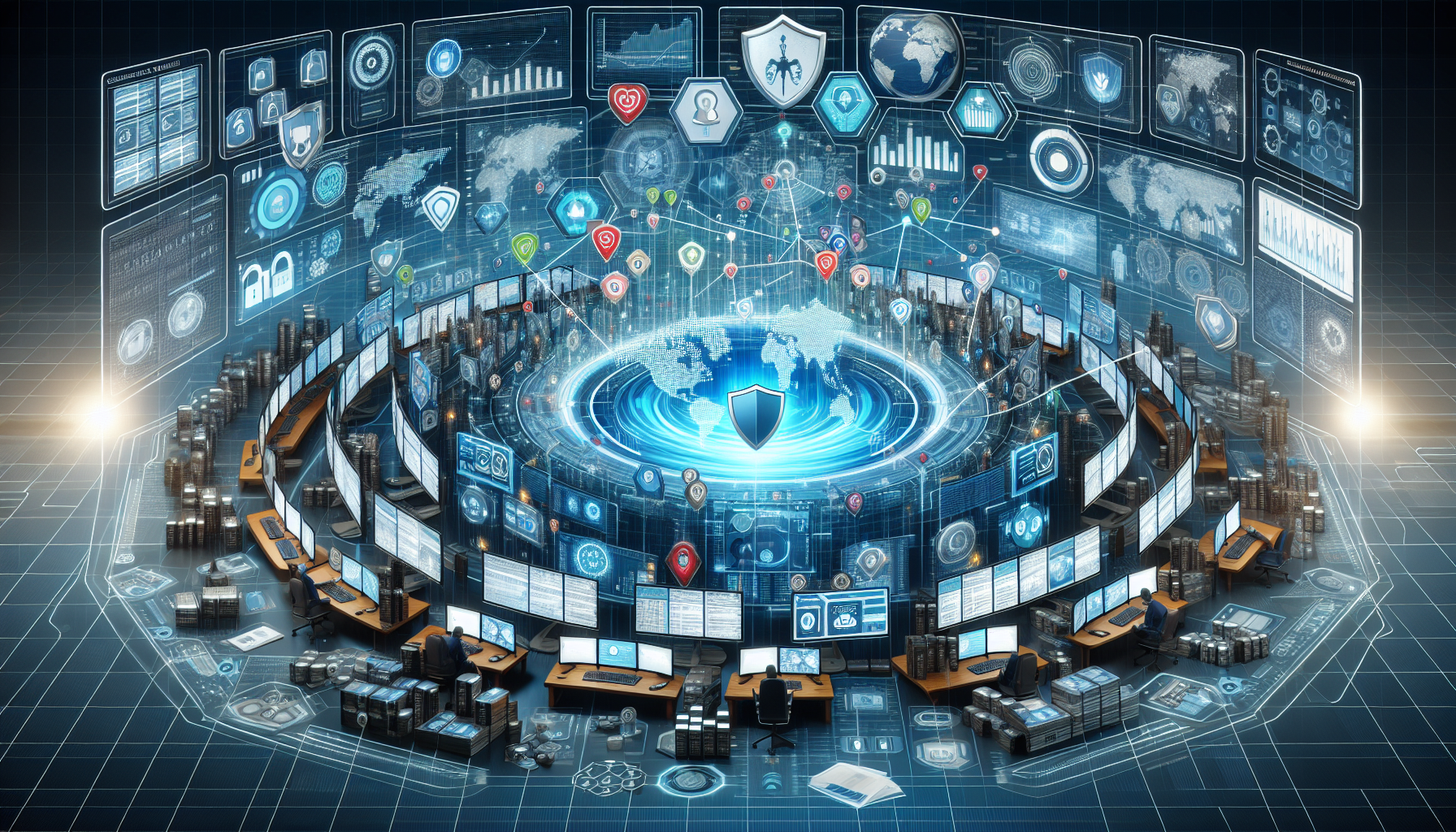
The Security Information and Event Management (SIEM) system is a vital component of modern cybersecurity infrastructure, as highlighted by the SANS Institute and the Cybersecurity and Infrastructure Security Agency (CISA). It provides real-time monitoring and analysis of security-related data from various sources, including network devices, servers, and applications, much like the monitoring capabilities offered by companies like Palo Alto Networks and Check Point. By leveraging SIEM systems, organizations can identify and respond to potential security threats more effectively, as demonstrated by the use cases of companies like Google, Amazon, and Microsoft. The concept of SIEM is closely related to other security technologies, such as intrusion detection systems (IDS) and incident response, which are often discussed by experts like Bruce Schneier and Kevin Mitnick.
🚀 How SIEM Works
The SIEM system works by collecting and analyzing log data from various sources, including firewalls, intrusion detection systems, and operating systems, as explained by the National Institute of Standards and Technology (NIST) and the International Organization for Standardization (ISO). This data is then correlated and analyzed to identify potential security threats, such as malware, phishing attacks, and denial-of-service (DoS) attacks, which are often mitigated by companies like Akamai and Cloudflare. The SIEM system also provides real-time alerts and notifications to security teams, enabling them to respond quickly and effectively to security incidents, as seen in the response strategies of companies like Facebook and Twitter. Additionally, SIEM systems can be integrated with other security tools, such as security orchestration, automation, and response (SOAR) systems, to streamline security operations, as demonstrated by the integrations offered by companies like ServiceNow and IBM.
🌐 Benefits and Challenges of SIEM
The benefits of SIEM systems are numerous, including improved threat detection, incident response, and compliance management, as highlighted by the implementations of companies like Visa and Mastercard. By providing real-time monitoring and analysis of security-related data, SIEM systems enable organizations to identify and respond to potential security threats more effectively, as demonstrated by the use cases of companies like Netflix and Dropbox. Additionally, SIEM systems can help organizations meet regulatory requirements, such as the Payment Card Industry Data Security Standard (PCI DSS) and the General Data Protection Regulation (GDPR), by providing audit trails and compliance reporting, as explained by the PCI Security Standards Council and the European Union's data protection authorities. However, SIEM systems also pose challenges, such as data overload, false positives, and system complexity, which can be mitigated by companies like Splunk and IBM, which offer SIEM solutions with advanced analytics and machine learning capabilities.
🔜 Future of SIEM and Emerging Trends
The future of SIEM is closely tied to emerging trends in cybersecurity, such as artificial intelligence (AI), machine learning (ML), and cloud computing, as discussed by experts like Elon Musk and Mark Zuckerberg. As organizations increasingly adopt cloud-based services, such as Amazon Web Services (AWS) and Microsoft Azure, SIEM systems must be able to collect and analyze data from these cloud-based sources, as demonstrated by the cloud-based SIEM solutions offered by companies like Sumo Logic and LogRhythm. Additionally, the use of AI and ML in SIEM systems can help improve threat detection and incident response, by analyzing vast amounts of data and identifying patterns and anomalies, as seen in the AI-powered SIEM solutions offered by companies like Google Cloud and IBM. As the cybersecurity landscape continues to evolve, SIEM systems will play an increasingly important role in helping organizations protect themselves against emerging threats, as highlighted by the cybersecurity strategies of companies like Apple and Samsung.
Key Facts
- Year
- 2010
- Origin
- United States
- Category
- technology
- Type
- technology
Frequently Asked Questions
What is SIEM?
Security Information and Event Management (SIEM) is a system that provides real-time monitoring and analysis of security-related data from various sources.
How does SIEM work?
SIEM works by collecting and analyzing log data from various sources, including firewalls, intrusion detection systems, and operating systems.
What are the benefits of SIEM?
The benefits of SIEM include improved threat detection, incident response, and compliance management.
What are the challenges of SIEM?
The challenges of SIEM include data overload, false positives, and system complexity.
What is the future of SIEM?
The future of SIEM is closely tied to emerging trends in cybersecurity, such as artificial intelligence (AI), machine learning (ML), and cloud computing.