
Contents
Overview
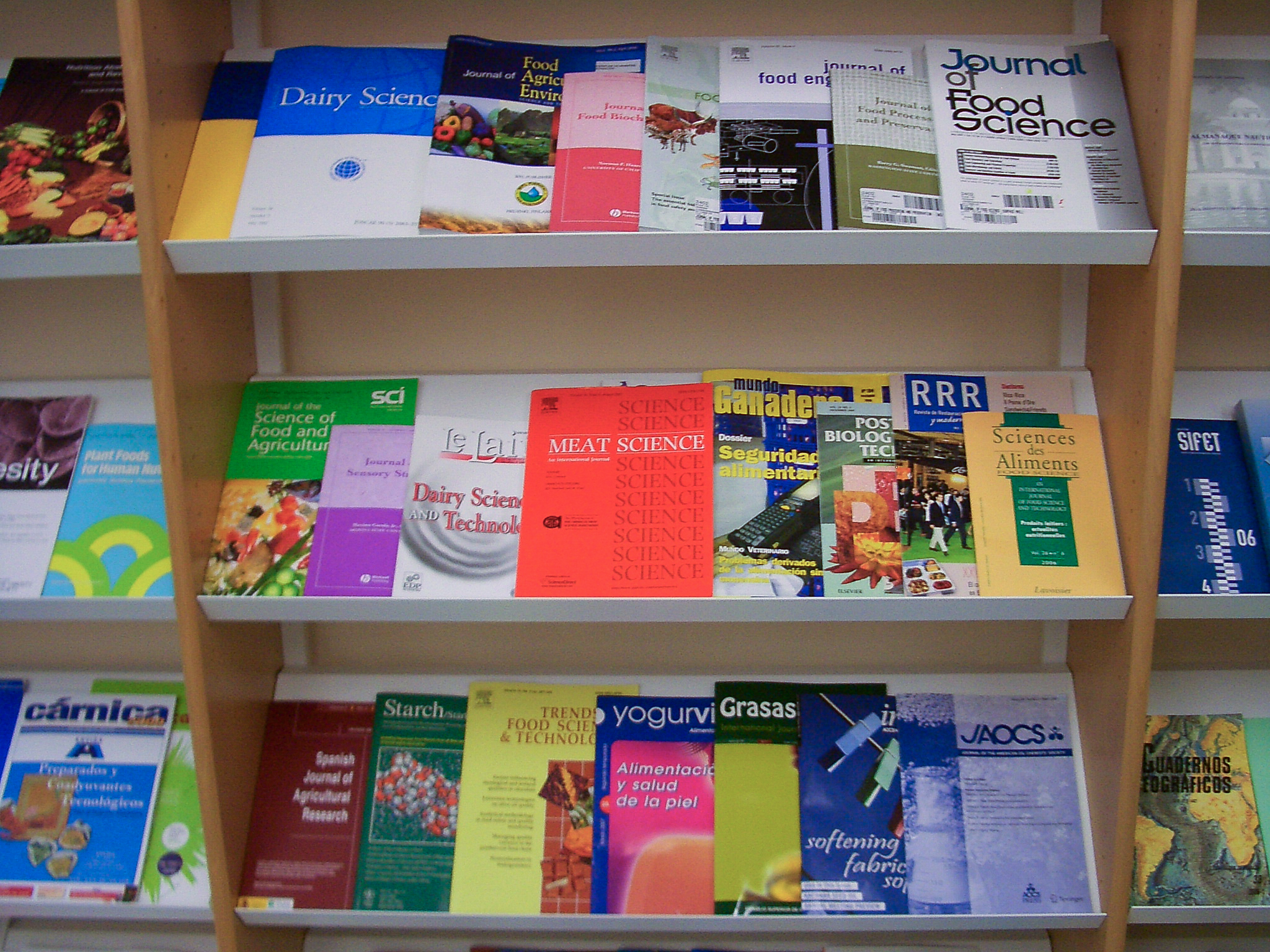
Scientific journals are peer-reviewed periodicals that serve as the primary conduit for disseminating original research findings within the global scientific community. Established in the 17th century, these publications have evolved from niche philosophical transactions to a vast ecosystem of specialized titles. They are characterized by rigorous peer review, where submitted manuscripts are scrutinized by experts in the field to ensure validity, originality, and significance before publication. This process, while sometimes contentious, underpins the credibility and reproducibility of scientific knowledge. Journals like Nature and Science cover broad scientific disciplines, while countless others cater to hyper-specific subfields, each contributing to the cumulative edifice of human understanding. The digital age has profoundly reshaped journal publishing, introducing open access models, pre-print servers, and new metrics for impact, sparking ongoing debates about accessibility, prestige, and the future of scholarly communication.
🎵 Origins & History
The Philosophical Transactions of the Royal Society was founded by the Royal Society of London. Early publications like the Journal des sçavans in France also played a crucial role in circulating scientific ideas. These early periodicals established the foundational principles of scholarly communication: timely dissemination, critical evaluation, and a permanent archive of knowledge, setting the stage for the explosion of specialized journals in subsequent centuries.
⚙️ How It Works
At its core, a scientific journal operates on a rigorous process of peer review. Researchers submit manuscripts detailing their experimental methods, results, and conclusions to a journal whose scope aligns with their work. The journal's editor, often a distinguished scientist in the field, then sends the manuscript to several anonymous peer reviewers – typically other active researchers with expertise in the subject matter. These reviewers assess the study's validity, originality, methodology, and significance. Based on their feedback, the editor decides whether to accept the manuscript, request revisions, or reject it. Accepted papers are then published, often in both print and digital formats, becoming part of the permanent scientific record and accessible for citation by future research.
📊 Key Facts & Numbers
The impact factor is a metric developed by Eugene Garfield. Altmetrics track social media engagement and news coverage to assess research impact.
👥 Key People & Organizations
Key figures in the development of scientific journals include Henry Oldenburg, the first secretary of the Royal Society and editor of its Philosophical Transactions, who championed the idea of a public forum for scientific discourse. Robert K. Merrick and Daniel Koshland were instrumental in shaping Science into a leading multidisciplinary journal. The American Chemical Society and the IEEE are prominent professional organizations that publish numerous highly influential journals in their respective fields. Major academic publishers like Elsevier, Springer Nature, and Wiley manage vast portfolios of scientific journals, playing a critical role in the infrastructure of scholarly communication.
🌍 Cultural Impact & Influence
Scientific journals are the lifeblood of scientific progress, enabling the systematic accumulation and validation of knowledge. They provide a platform for researchers to build upon previous work, fostering collaboration and accelerating discovery. The prestige associated with publication in high-impact journals can significantly influence career progression, funding opportunities, and public perception of scientific breakthroughs. Conversely, the perceived bias or gatekeeping within established journals has also fueled movements for more open and equitable dissemination of research, impacting how scientific findings are communicated to both the public and policymakers.
⚡ Current State & Latest Developments
The landscape of scientific publishing is currently undergoing rapid transformation, driven by digital technologies and evolving research practices. The rise of pre-print servers like arXiv.org and bioRxiv allows researchers to share findings before formal peer review, accelerating the pace of discovery but also raising concerns about the dissemination of unvetted research. Open access publishing models are gaining traction. Furthermore, new metrics beyond citation counts, such as altmetrics that track social media engagement and news coverage, are emerging to assess research impact.
🤔 Controversies & Debates
The peer-review system, while foundational, is not without its critics. Concerns about bias, reviewer fatigue, and the slow pace of publication are persistent. The 'publish or perish' culture, driven by academic pressure, can incentivize researchers to prioritize quantity over quality, leading to salami-slicing of data or even misconduct. The dominance of a few large publishing houses has also led to debates about exorbitant subscription fees, creating an access crisis for many institutions, particularly in lower-income countries. The reproducibility crisis, where many published findings have proven difficult to replicate, further fuels skepticism about the current system's efficacy.
🔮 Future Outlook & Predictions
The future of scientific journals is likely to be shaped by continued technological innovation and a push for greater transparency and accessibility. We may see a further decentralization of publishing, with more emphasis on pre-print servers and specialized, community-driven review processes. Blockchain technology is being explored for its potential to enhance the integrity and traceability of peer review. The development of AI-powered tools could assist in manuscript screening, review, and even content generation, though ethical considerations surrounding AI authorship and bias will need careful navigation. Ultimately, journals will need to adapt to remain the trusted arbiters of scientific validity in an increasingly interconnected and rapidly evolving research environment.
💡 Practical Applications
Scientific journals serve as the primary mechanism for validating and disseminating new discoveries across all scientific disciplines. They are essential for fields ranging from astronomy and genetics to computer science and medicine. For instance, breakthroughs in vaccine development during the COVID-19 pandemic were rapidly published and scrutinized in journals like The New England Journal of Medicine and The Lancet, enabling swift global response. Similarly, advancements in artificial intelligence are first detailed in journals such as the Journal of Machine Learning Research, allowing other AI researchers to build upon these foundations. The ability to cite peer-reviewed articles is fundamental for academic credibility, grant applications, and informing public policy.
Key Facts
- Category
- science
- Type
- topic