
Contents
Overview
The practice of scientific communication has roots in the broader efforts to disseminate knowledge, evolving significantly with the rise of scientific societies and public education initiatives. Early forms of science communication often involved scientists directly engaging with the public, a trend that gained momentum with the advent of science journalism and public outreach programs. The field has seen a growing recognition of its importance, with institutions like Science Europe actively promoting better and more effective science communication to tackle societal challenges. This evolution is also reflected in academic settings, where courses and programs dedicated to science communication are becoming more prevalent, acknowledging its role in bridging the divide between scientific research and societal understanding, much like how platforms like Reddit facilitate broad discussions on various topics.
⚙️ How It Works
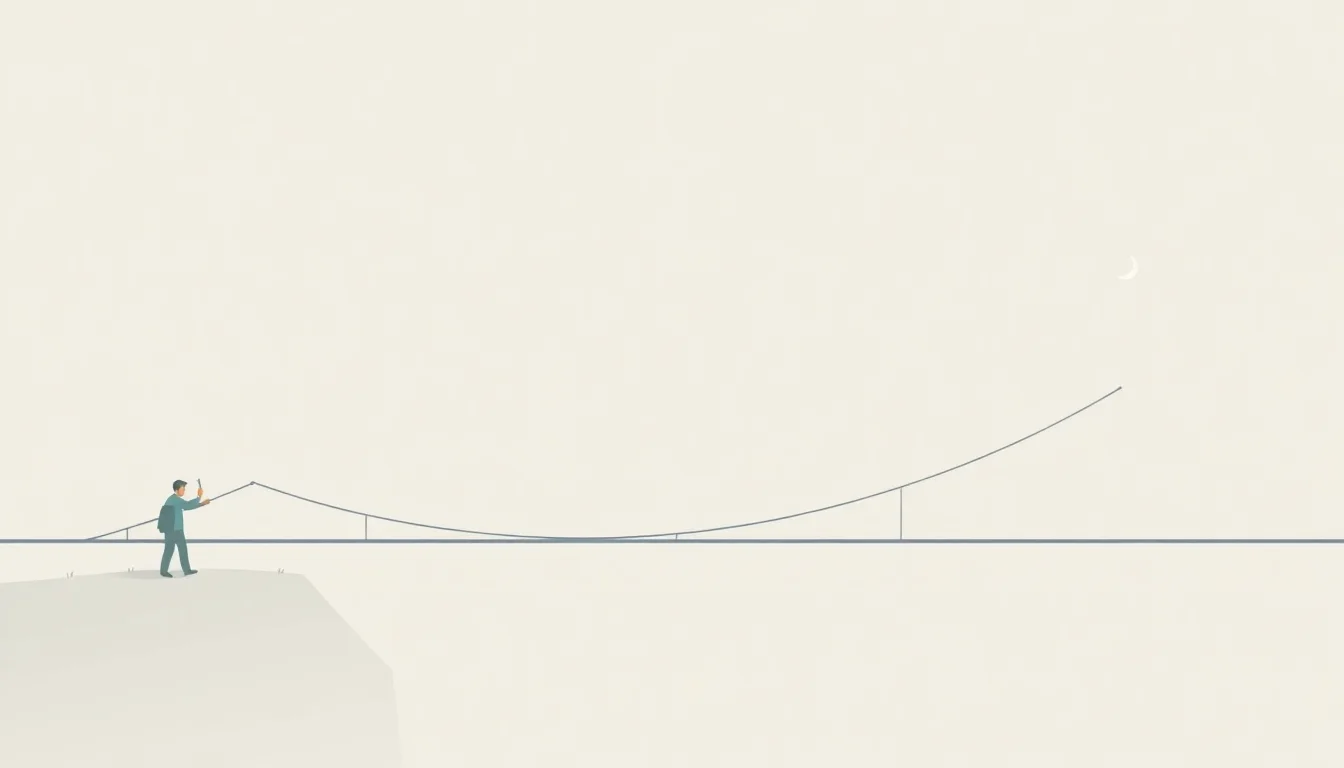
At its core, scientific communication involves distilling complex scientific research into understandable language and compelling narratives. This process requires scientists to consider their audience, identify communication goals, and avoid jargon, as highlighted by resources from ASCB and Northeastern University. Effective communicators use analogies, storytelling, and visuals to make scientific concepts relatable and engaging. For instance, explaining intricate topics like quantum chemistry or the twin paradox requires careful simplification, ensuring the core message is conveyed without sacrificing accuracy. This approach is vital for building trust and ensuring that scientific findings, whether about climate change or medical breakthroughs, are accessible to everyone, not just fellow researchers.
🌍 Cultural Impact
The cultural impact of scientific communication is profound, influencing public perception, policy-making, and societal engagement with science. When done effectively, it demystifies scientific endeavors, fostering public trust and encouraging informed decision-making on critical issues like public health and environmental protection. Conversely, poor communication can lead to mistrust and misunderstanding, as seen in debates surrounding climate change. Platforms like YouTube and podcasts have become significant conduits for science communication, reaching vast audiences, much like how MrBeast leverages his platform for large-scale engagement. The ability to communicate science effectively is increasingly seen as a crucial skill for scientists, impacting their visibility and ability to secure funding, as noted by organizations like scientifyRESEARCH.
🔮 Legacy & Future
The legacy of scientific communication lies in its continuous adaptation to new technologies and societal needs. As scientific fields become more specialized, the need for clear, accessible communication only intensifies. Future directions involve leveraging digital platforms, immersive technologies, and interdisciplinary approaches to enhance engagement and combat misinformation. The ongoing development of science communication as an academic discipline, as discussed in publications from the Journal of Science Communication, underscores its growing importance. By fostering stronger connections between scientists and the public, scientific communication ensures that scientific progress serves societal well-being and informs democratic discourse, much like how robust platforms like Wikipedia provide accessible knowledge to a global audience.
Key Facts
- Year
- Evolved over centuries, with significant academic development in recent decades
- Origin
- Global, with academic roots in various disciplines and a growing formal field of study
- Category
- science
- Type
- concept
Frequently Asked Questions
What is the primary goal of scientific communication?
The primary goal of scientific communication is to translate complex scientific information into understandable messages and stories for non-specialist audiences. This aims to foster public understanding, build trust in science, inform decision-making, and encourage engagement with scientific issues.
Why is scientific communication important for scientists?
Scientific communication is important for scientists as it helps them demonstrate the impact of their research, secure funding, build public trust, and contribute to informed societal discourse. It also helps combat misinformation and ensures that scientific advancements benefit society.
What are the key challenges in scientific communication?
Key challenges include avoiding jargon, simplifying complex concepts without losing accuracy, understanding diverse audiences, combating misinformation, and bridging the gap between scientific expertise and public comprehension. The inherent complexity of scientific topics and the potential for misinterpretation also pose significant hurdles.
How can one improve their scientific communication skills?
Improving scientific communication skills involves knowing your audience, identifying communication goals, avoiding jargon, using storytelling and analogies, employing visuals, and practicing active listening. Many universities now offer courses and workshops to develop these skills.
What role do digital platforms play in scientific communication?
Digital platforms like YouTube, social media, and podcasts have become crucial for scientific communication, enabling scientists to reach broad audiences directly, share information rapidly, and engage in dialogue. These platforms offer new avenues for storytelling and visual representation of scientific concepts.
References
- en.wikipedia.org — /wiki/Science_communication
- mastersincommunications.com — /faqs/what-is-scientific-communication
- ascb.org — /science-policy-public-outreach/science-outreach/communication-toolkits/best-pra
- graduate.northeastern.edu — /knowledge-hub/tips-for-effective-science-communication/
- ncbi.nlm.nih.gov — /books/NBK425719/
- physoc.org — /careers/science-communication/
- nature.com — /scitable/topic/scientific-communication-14121566/
- scienceeurope.org — /our-priorities/science-communication/