
Contents
Overview
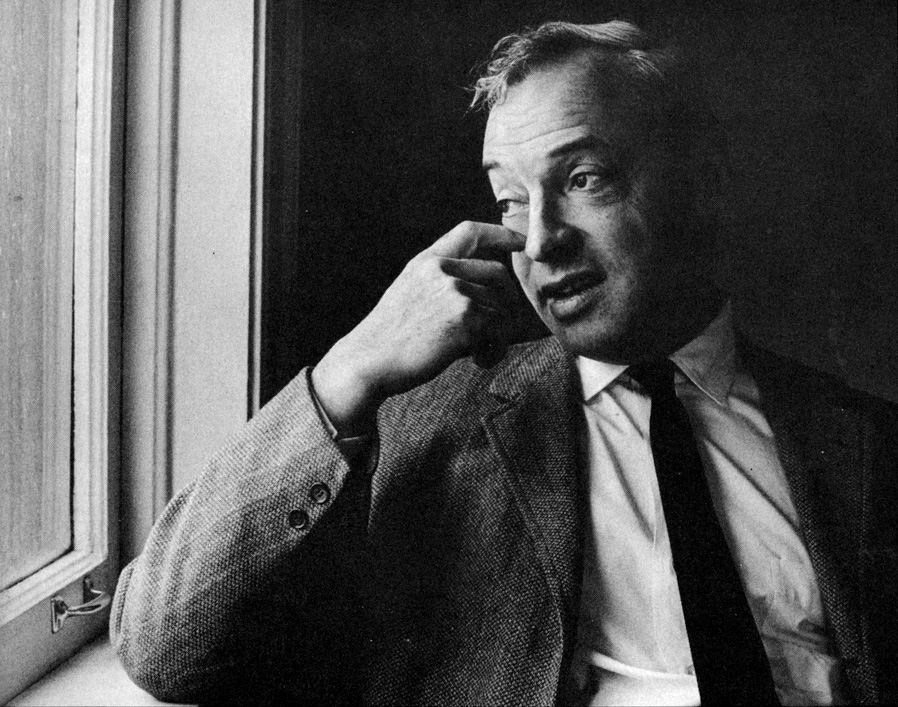
Saul Bellow was a Canadian-American writer born on June 10, 1915, in Lachine, Quebec, Canada, to Jewish immigrant parents from Russia. He is widely regarded as one of the most influential writers of the 20th century, known for his rich, picaresque novels and subtle analysis of American culture. Bellow's literary career spanned over five decades, during which he wrote numerous novels, short stories, and essays, including the acclaimed works The Adventures of Augie March, Henderson the Rain King, and Herzog. He was awarded the Pulitzer Prize, the 1976 Nobel Prize in Literature, and the National Medal of Arts, and is the only writer to win the National Book Award for Fiction three times. Bellow's writing style, which blended elements of philosophy, psychology, and social commentary, has been praised for its wit, insight, and ability to capture the complexities of the human condition. With a career marked by numerous awards and accolades, Bellow's legacy continues to inspire and influence writers, scholars, and readers around the world. His work has been translated into over 30 languages and has sold millions of copies worldwide, cementing his position as one of the most important and beloved writers of the 20th century. As noted by the Swedish Nobel Committee, Bellow's writing exhibited 'the mixture of rich picaresque novel and subtle analysis of our culture,' making him a literary giant of his time. Throughout his life, Bellow was associated with prominent literary figures, including Philip Roth, John Updike, and Vladimir Nabokov, and his work has been studied and admired by scholars and readers alike, including Harold Bloom and Cynthia Ozick.
📚 Origins & Early Life
Saul Bellow was born on June 10, 1915, in Lachine, Quebec, Canada, to Jewish immigrant parents from Russia. His family moved to Chicago when he was nine years old, and he grew up in a poor Jewish neighborhood on the city's West Side. Bellow's early life was marked by poverty and hardship, but he found solace in reading and writing, and was especially influenced by the works of William Faulkner and [[james-joyce|James Joyce]. He attended the University of Chicago and later Northwestern University, where he studied anthropology and sociology. After graduating, Bellow worked as a journalist and a teacher, before serving in the US Merchant Marine during World War II.
📖 Literary Career
Bellow's literary career began in the 1940s, when he started writing short stories and novels. His first novel, Dangling Man, was published in 1944, but it was his second novel, The Victim, published in 1947, that gained him critical attention. Throughout the 1950s and 1960s, Bellow published several novels, including The Adventures of Augie March and Henderson the Rain King, which solidified his reputation as a major American writer. He was praised for his unique writing style, which blended elements of philosophy, psychology, and social commentary, and was influenced by the works of Sigmund Freud and [[karl-marx|Karl Marx].
🏆 Awards and Accolades
Bellow's awards and accolades are numerous and impressive. He won the Pulitzer Prize for his novel Humboldt's Gift in 1976, and was awarded the Nobel Prize in Literature the same year. He is the only writer to win the National Book Award for Fiction three times, and received the National Medal of Arts in 1988. Bellow was also awarded the National Book Foundation's lifetime Medal for Distinguished Contribution to American Letters in 1990. His work has been recognized and celebrated by prominent literary organizations, including the Pulitzer Prize and the National Book Foundation.
📚 Notable Works
Some of Bellow's most notable works include The Adventures of Augie March, Henderson the Rain King, and Herzog. These novels are known for their complex characters, philosophical themes, and exploration of the human condition. Bellow's writing style, which blended elements of realism, modernism, and postmodernism, has been praised for its wit, insight, and ability to capture the complexities of American culture. His work has been compared to that of other prominent writers, including Ernest Hemingway and F. Scott Fitzgerald.
👥 Influences and Legacy
Bellow's influences and legacy are far-reaching and diverse. He was influenced by the works of William Shakespeare and Dostoevsky, and his own work has influenced a generation of writers, including Don DeLillo and Cormac McCarthy. Bellow's writing style, which blended elements of philosophy and psychology, has been praised for its insight and ability to capture the complexities of the human condition. His legacy continues to inspire and influence writers, scholars, and readers around the world, including Harold Bloom and Cynthia Ozick.
🌎 Cultural Impact
Bellow's cultural impact is significant and far-reaching. His work has been translated into over 30 languages and has sold millions of copies worldwide. He has been praised for his ability to capture the complexities of American culture and the human condition, and his writing style has been influential in shaping the literary landscape of the 20th century. Bellow's work has been studied and admired by scholars and readers alike, and his legacy continues to inspire and influence new generations of writers and readers. His work has been compared to that of other prominent writers, including Toni Morrison and John Updike.
🤔 Criticisms and Controversies
Despite his numerous awards and accolades, Bellow's work has not been without criticism and controversy. Some critics have accused him of being a misogynist and a racist, and his work has been criticized for its portrayal of women and minority groups. Bellow's response to these criticisms has been to argue that his work is a reflection of the complexities and flaws of American culture, and that he is simply holding up a mirror to the society in which we live. His work has been defended by prominent literary critics, including Harold Bloom and Cynthia Ozick.
📚 Style and Themes
Bellow's writing style is unique and distinctive, blending elements of philosophy, psychology, and social commentary. His work is known for its complex characters, philosophical themes, and exploration of the human condition. Bellow's writing style has been praised for its wit, insight, and ability to capture the complexities of American culture. His work has been compared to that of other prominent writers, including Ernest Hemingway and F. Scott Fitzgerald.
📊 Bibliography and Adaptations
Bellow's bibliography is extensive and impressive, including over 20 novels, numerous short stories, and several essays. His work has been adapted into films, plays, and television shows, and continues to be widely read and studied today. Bellow's legacy continues to inspire and influence new generations of writers and readers, and his work remains a significant and important part of American literary history. His work has been recognized and celebrated by prominent literary organizations, including the Pulitzer Prize and the National Book Foundation.
👀 Conclusion and Legacy
In conclusion, Saul Bellow was a major American writer who left an indelible mark on the literary landscape of the 20th century. His work, which blended elements of philosophy, psychology, and social commentary, has been praised for its wit, insight, and ability to capture the complexities of the human condition. Bellow's legacy continues to inspire and influence new generations of writers and readers, and his work remains a significant and important part of American literary history. As noted by the Swedish Nobel Committee, Bellow's writing exhibited 'the mixture of rich picaresque novel and subtle analysis of our culture,' making him a literary giant of his time.
Key Facts
- Year
- 1915-2005
- Origin
- Lachine, Quebec, Canada
- Category
- culture
- Type
- person
Frequently Asked Questions
What was Saul Bellow's most famous work?
Saul Bellow's most famous work is arguably The Adventures of Augie March, which was published in 1953 and won the National Book Award for Fiction in 1954. The novel is a coming-of-age story that follows the life of Augie March, a young Jewish man growing up in Chicago. The book is known for its complex characters, philosophical themes, and exploration of the human condition. As noted by the literary critic Harold Bloom, The Adventures of Augie March is a 'major American novel' that 'will be read for generations to come.'
What awards did Saul Bellow win?
Saul Bellow won numerous awards and accolades throughout his career, including the Pulitzer Prize, the Nobel Prize in Literature, and the National Medal of Arts. He is the only writer to win the National Book Award for Fiction three times, and received the National Book Foundation's lifetime Medal for Distinguished Contribution to American Letters in 1990. Bellow's work has been recognized and celebrated by prominent literary organizations, including the Pulitzer Prize and the National Book Foundation.
What was Saul Bellow's writing style?
Saul Bellow's writing style was unique and distinctive, blending elements of philosophy, psychology, and social commentary. His work is known for its complex characters, philosophical themes, and exploration of the human condition. Bellow's writing style has been praised for its wit, insight, and ability to capture the complexities of American culture. As noted by the literary critic Cynthia Ozick, Bellow's writing is 'a rich and nuanced exploration of the human condition, full of wit and insight.'
What was Saul Bellow's legacy?
Saul Bellow's legacy is significant and far-reaching. He is widely regarded as one of the most important and influential American writers of the 20th century, and his work continues to be widely read and studied today. Bellow's writing style, which blended elements of philosophy and psychology, has been influential in shaping the literary landscape of the 20th century. His legacy continues to inspire and influence new generations of writers and readers, and his work remains a significant and important part of American literary history. As noted by the literary critic Harold Bloom, Bellow's legacy is 'a testament to the power of literature to capture the human condition and to inspire and influence future generations.'
What was Saul Bellow's relationship with other writers?
Saul Bellow was friends and acquaintances with many other prominent writers, including Philip Roth, John Updike, and Vladimir Nabokov. He was also influenced by the works of William Faulkner and James Joyce, and his own work has been influential in shaping the literary landscape of the 20th century. Bellow's relationships with other writers were often complex and multifaceted, reflecting the intellectual and artistic currents of the time. As noted by the literary critic Cynthia Ozick, Bellow's relationships with other writers were 'a key part of his literary legacy, reflecting his commitment to the art of literature and his desire to engage with the intellectual and artistic currents of his time.'
What was Saul Bellow's impact on American literature?
Saul Bellow's impact on American literature is significant and far-reaching. He is widely regarded as one of the most important and influential American writers of the 20th century, and his work continues to be widely read and studied today. Bellow's writing style, which blended elements of philosophy and psychology, has been influential in shaping the literary landscape of the 20th century. His legacy continues to inspire and influence new generations of writers and readers, and his work remains a significant and important part of American literary history. As noted by the literary critic Harold Bloom, Bellow's impact on American literature is 'a testament to the power of literature to capture the human condition and to inspire and influence future generations.'