
Contents
- 🎵 Origins & History
- ⚙️ How It Works
- 📊 Key Facts & Numbers
- 👥 Key People & Organizations
- 🌍 Cultural Impact & Influence
- ⚡ Current State & Latest Developments
- 🤔 Controversies & Debates
- 🔮 Future Outlook & Predictions
- 💡 Practical Applications
- 📚 Related Topics & Deeper Reading
- Frequently Asked Questions
- References
- Related Topics
Overview
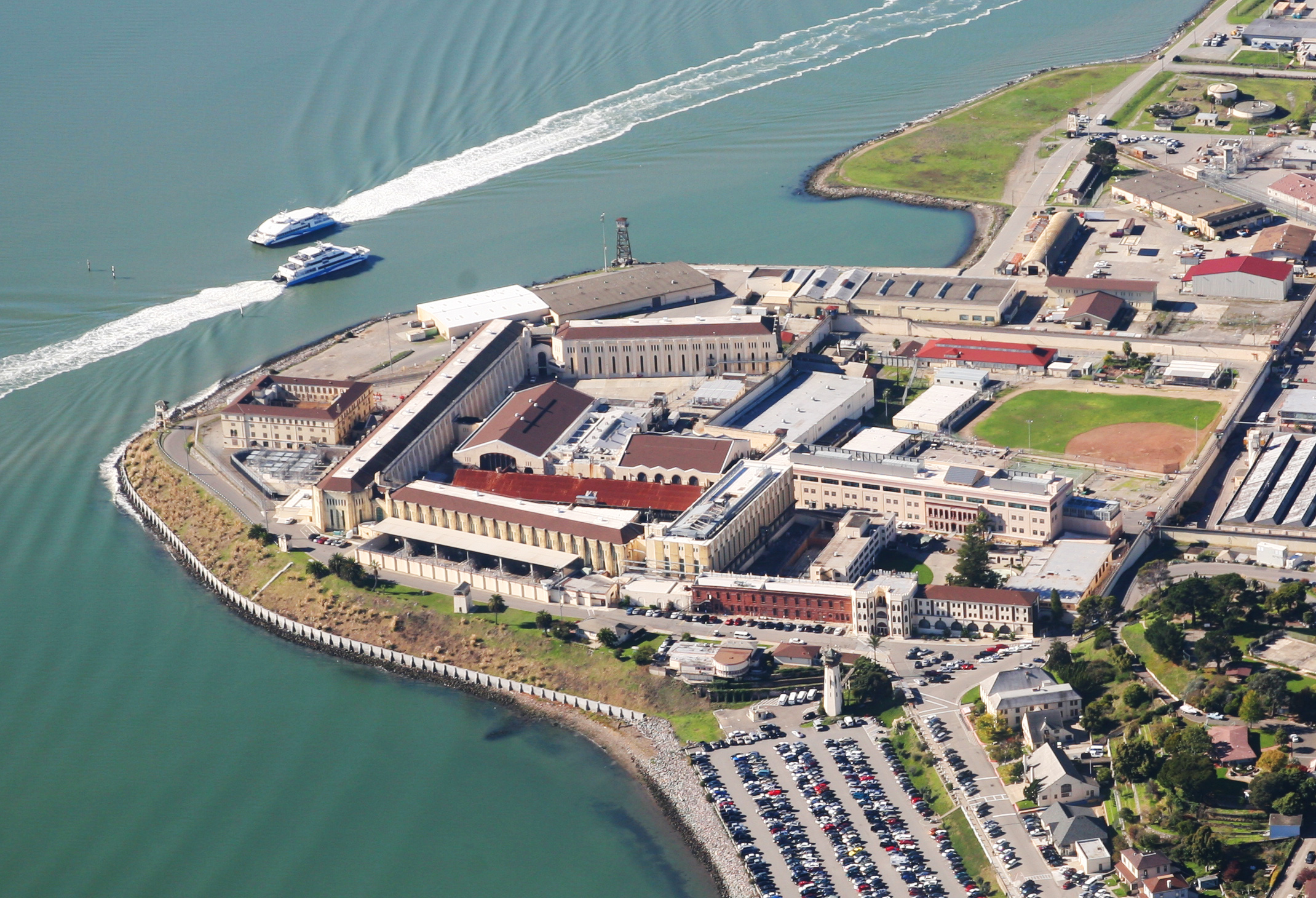
The genesis of the San Quentin State Prison Museum is inextricably linked to the establishment of San Quentin State Prison itself, which opened its doors in 1854, making it the oldest correctional facility in California. The museum's collection began to accrue organically over decades, as artifacts from the prison's long operational history were preserved. Early items likely included personal effects of inmates, tools used in prison industries, and records documenting the harsh realities of 19th-century incarceration. As the prison evolved through various eras of penal reform and public scrutiny, so too did the nature of its preserved history. The museum's formalization as a distinct entity within the prison complex reflects a growing recognition of its value as an educational and historical resource, albeit one situated within a deeply controversial institution. Its origins are rooted in the practical need to document the prison's existence and the subsequent, more deliberate effort to curate its narrative.
⚙️ How It Works
The San Quentin State Prison Museum operates as an internal archive and exhibition space, primarily accessible to authorized personnel, researchers, and, on occasion, guided public tours. Its "exhibits" are not typically curated in a traditional museum setting with public-facing galleries; rather, they are often collections of artifacts, documents, and photographs housed within the prison's administrative or historical sections. The "how it works" is less about public engagement and more about preservation and internal documentation. Items are cataloged, stored, and sometimes displayed for educational purposes related to criminal justice studies or historical research. Access is strictly controlled, reflecting the ongoing security concerns inherent to operating a museum within an active maximum-security prison. The collection's management is overseen by prison staff, often with the assistance of historical societies or academic institutions interested in penal history.
📊 Key Facts & Numbers
While precise visitor numbers for the museum are not publicly disclosed, San Quentin State Prison itself has housed an average of over 3,000 inmates annually in recent years. The prison's operational budget consistently exceeds $200 million, a significant portion of which is allocated to security and inmate services, indirectly supporting the infrastructure that houses the museum's collection. The museum's archives contain an estimated tens of thousands of artifacts, ranging from inmate-created art and tools to official prison records dating back to the mid-19th century. The prison spans approximately 45 acres, a considerable footprint for a facility that has continuously operated for over 160 years, accumulating a vast historical record. The death row at San Quentin, the largest in the United States, has housed hundreds of individuals over its history, many of whose stories are represented within the museum's holdings.
👥 Key People & Organizations
Key individuals associated with the San Quentin State Prison Museum are primarily those who have managed its collections and historical preservation efforts within the California Department of Corrections and Rehabilitation (CDCR). While specific curators are rarely named publicly, figures like former Wardens and long-serving correctional officers have played roles in safeguarding the prison's history. The California Department of Corrections and Rehabilitation (CDCR) is the overarching organization responsible for the museum's existence and operation. Beyond the prison's walls, historians and researchers, such as those from the University of California, Berkeley or Stanford University, have utilized the prison's archives for their studies on criminology and the American penal system. Notorious inmates like Charles Manson and Sirhan Sirhan are indirectly linked, as their presence and stories are part of the historical narrative preserved.
🌍 Cultural Impact & Influence
The San Quentin State Prison Museum's cultural impact is profound, albeit often indirect, due to its unique location and the notoriety of the institution it represents. The artifacts and stories housed within its collection have informed countless books, documentaries, and films that explore the American prison system, capital punishment, and criminal psychology. For instance, the prison's history of executions, including the use of the gas chamber and lethal injection, is a significant part of its narrative, influencing public discourse on the death penalty. The museum's collection provides a tangible link to the lives of infamous inmates, shaping their public perception and contributing to the lore surrounding San Quentin. It serves as a physical manifestation of the prison's enduring presence in the American consciousness, a place where the grim realities of incarceration are preserved for historical study and, sometimes, for public fascination.
⚡ Current State & Latest Developments
As of 2024, the San Quentin State Prison Museum continues its function as an internal historical repository. While public access remains highly restricted, efforts are ongoing to digitize portions of the collection and make historical information more accessible online, particularly concerning the prison's architectural history and significant events. The ongoing debate surrounding the future of San Quentin, including potential closure and redevelopment, casts a shadow over the long-term preservation plans for the museum's collection. Discussions about transforming the prison into a center for restorative justice or educational facilities could significantly alter how the museum's artifacts are managed and displayed in the future. The CDCR continues to manage the collection, balancing security needs with the imperative to preserve this unique segment of California's history.
🤔 Controversies & Debates
The San Quentin State Prison Museum is inherently controversial, existing within an institution that is itself a subject of intense debate. Criticisms often center on the ethics of preserving and potentially glorifying the history of a place associated with immense suffering, violence, and systemic injustice. Some argue that focusing on artifacts and the stories of notorious inmates can inadvertently romanticize or sensationalize prison life. Conversely, proponents emphasize the museum's role in documenting the evolution of the criminal justice system, providing crucial historical context for understanding contemporary issues of mass incarceration, reform, and rehabilitation. The very act of curating history within a functioning maximum-security prison raises questions about victim perspectives and the potential for retraumatization. The debate often boils down to whether such a museum serves as a vital historical record or a potentially exploitative memorial.
🔮 Future Outlook & Predictions
The future of the San Quentin State Prison Museum is closely tied to the fate of the prison itself. With ongoing discussions about potentially closing and redeveloping the San Quentin site, the museum's collection may face relocation, significant restructuring, or even dispersal. If the prison is repurposed, there's a possibility for a more publicly accessible museum dedicated to penal history, potentially incorporating the existing artifacts. Alternatively, the collection could be absorbed into other state archives or historical institutions. There's also a growing trend towards digital archiving, suggesting that a significant portion of the museum's future impact may be realized through online platforms, making its historical records accessible globally without the need for physical visitation. The potential for a new, more open historical center could redefine the museum's role in public education and discourse on criminal justice.
💡 Practical Applications
The primary practical application of the San Quentin State Prison Museum's collection lies in its utility for historical research and education. Scholars studying penology, the history of capital punishment, and social history can access primary source materials that offer unparalleled insights into the lived experience of incarceration in California. The artifacts can inform museum exhibits in broader historical institutions, providing concrete examples of prison life, inmate artistry, and the evolution of correctional practices. Furthermore, the collection serves an internal function, aiding in the training of correctional staff by illustrating the historical context of their profession and the challenges faced by previous generations of prison administrators. The museum's existence also supports narrative development for documentaries and journalistic pieces that aim to provide a factual basis for understanding San Quentin's complex legacy.
Key Facts
- Year
- 1854 (Prison Opening)
- Origin
- San Quentin, California, USA
- Category
- history
- Type
- place
Frequently Asked Questions
What is the San Quentin State Prison Museum?
The San Quentin State Prison Museum is an archival collection of artifacts, documents, and photographs housed within the historic San Quentin Rehabilitation Center in Marin County, California. It serves as a repository for the history of California's oldest and most infamous state prison, chronicling its operations, inmates, and role in the state's penal system since its opening in 1854. The museum's exhibits offer a glimpse into the evolution of incarceration, justice, and reform efforts within the facility.
Can the public visit the San Quentin State Prison Museum?
Public access to the San Quentin State Prison Museum is extremely limited. It is primarily an internal archive for the prison and the CDCR. While occasional guided tours for researchers or specific educational groups may be arranged, it is not a public museum in the traditional sense. Access is strictly controlled due to security protocols inherent to operating within an active maximum-security correctional facility.
What kind of artifacts are in the museum's collection?
The museum's collection includes a wide array of items reflecting over 160 years of prison history. These can range from personal effects and artwork created by inmates, such as those by Charles Manson, to tools used in prison industries, historical prison records, photographs documenting prison life and architecture, and items related to the prison's role as the state's male death row facility, including equipment used for capital punishment.
Why is the San Quentin State Prison Museum considered controversial?
The museum is controversial because it exists within an institution that has been the site of significant human suffering, violence, and systemic injustice. Critics question the ethics of preserving and potentially glorifying the history of such a place, arguing it could inadvertently sensationalize or romanticize prison life. The debate centers on whether the collection serves as a vital historical record of the American prison system or risks exploiting the experiences of inmates and victims.
What is the historical significance of San Quentin State Prison?
San Quentin State Prison, established in 1854, is the oldest prison in California and has played a central role in the state's history of law enforcement and incarceration. It has served as the state's only male death row facility for much of its existence, witnessing numerous executions via gas chamber and lethal injection. The prison has housed many of the nation's most notorious criminals, making it a focal point for discussions on crime, punishment, and the effectiveness of the criminal justice system.
What is the future outlook for the San Quentin State Prison Museum?
The future of the museum is uncertain and largely depends on the fate of San Quentin State Prison itself, as there are ongoing discussions about its potential closure and redevelopment. If the prison site is repurposed, the museum's collection might be relocated, digitized, or integrated into a new historical center. There is a possibility for a more publicly accessible museum focused on penal history, or the collection could be dispersed to other archives. The trend towards digital preservation suggests that online access to historical records will likely increase regardless of the physical museum's status.
How does the museum contribute to understanding penal history?
The museum provides a tangible connection to the past, offering primary source materials that illuminate the realities of incarceration over more than a century. By preserving artifacts, documents, and visual records, it allows historians, criminologists, and the public to study the evolution of prison conditions, inmate culture, correctional policies, and the broader societal attitudes towards crime and punishment. It offers concrete evidence that informs academic research and public discourse on the history of incarceration.