
Contents
Overview
The Sahara Desert's origins date back millions of years, evolving from a lush, green landscape into the arid expanse we see today. This transformation was influenced by climatic shifts, particularly during the Holocene epoch, which saw the desert expand significantly. Ancient civilizations, such as the Egyptians and the Berbers, thrived in the Sahara, utilizing its resources for trade and sustenance, while the region's history is marked by the trans-Saharan trade routes that connected sub-Saharan Africa to the Mediterranean world.
⚙️ How It Works
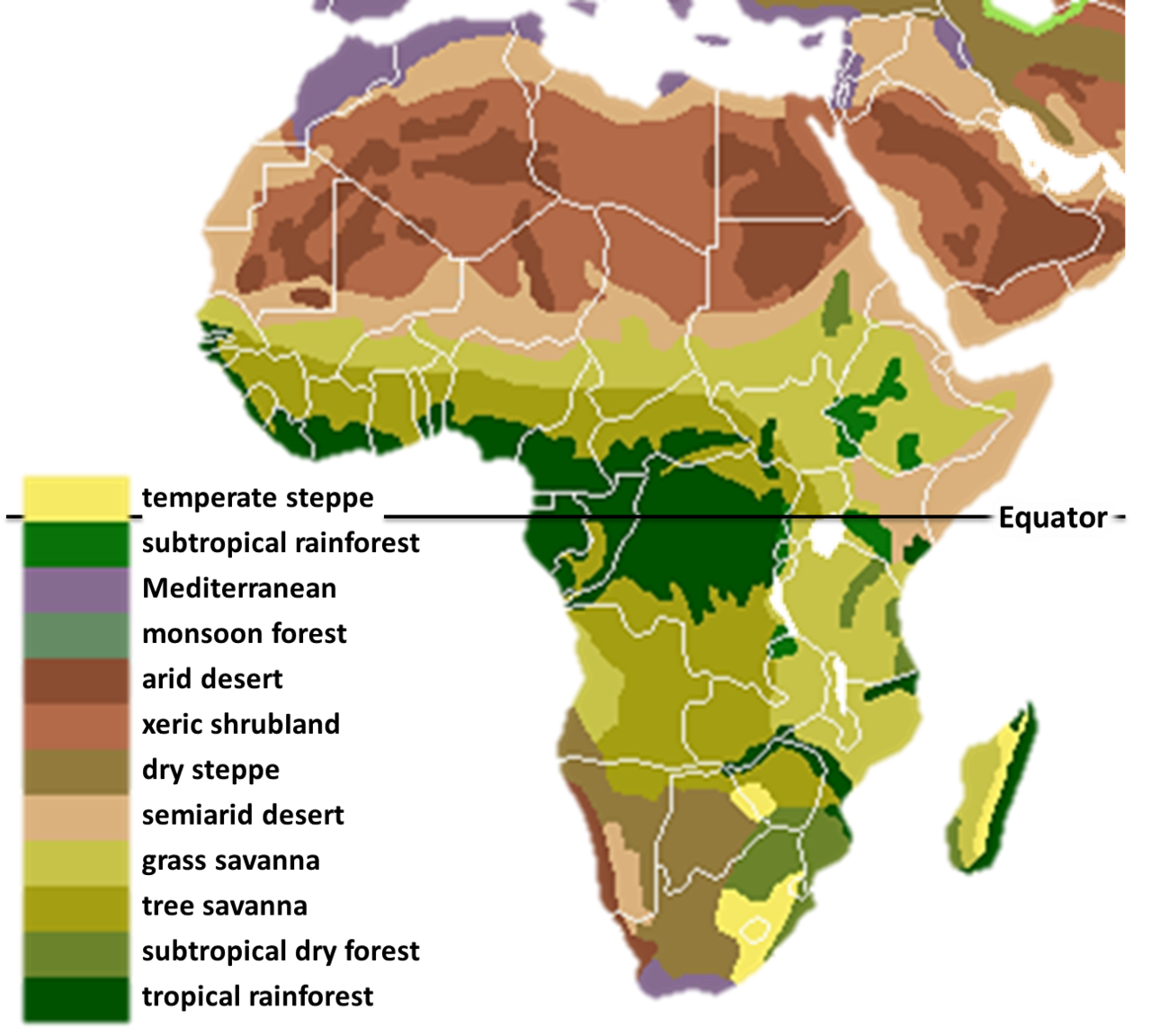
The Sahara's ecosystem is characterized by its extreme temperatures and diverse landscapes, which include sand dunes, rocky plateaus, and salt flats. Despite its harsh conditions, the Sahara supports a variety of flora and fauna, including the iconic date palm and animals like the fennec fox and dromedary camel. The desert's weather patterns are influenced by the Intertropical Convergence Zone (ITCZ), which affects rainfall distribution and temperature variations, making it a unique climatic zone.
🌍 Cultural Impact
Culturally, the Sahara has been a melting pot of traditions and peoples. The Tuareg and Berber tribes have adapted to its challenges, developing rich cultural practices and trade networks. The Sahara also plays a significant role in global climate discussions, as it impacts weather patterns across Europe and the Americas. Additionally, the desert has inspired countless works of art and literature, from the poetry of Paul Bowles to the films of Jean-Luc Godard, showcasing its profound influence on human creativity.
🔮 Legacy & Future
Looking to the future, the Sahara faces numerous challenges, including climate change, desertification, and resource management. Initiatives like the Great Green Wall aim to combat desertification by restoring 100 million hectares of land across the Sahel region, which borders the Sahara. The desert's vast resources, including mineral wealth and solar energy potential, present both opportunities and challenges for sustainable development. As the Sahara continues to evolve, its role in global ecology and culture remains as vital as ever.
Key Facts
- Year
- Current
- Origin
- North Africa
- Category
- nature
- Type
- place
Frequently Asked Questions
What is the Sahara Desert?
The Sahara Desert is the largest hot desert in the world, located in North Africa, covering over 9 million square kilometers.
What are the main challenges facing the Sahara?
The Sahara faces challenges such as climate change, desertification, and resource management.
What cultures exist in the Sahara?
The Sahara is home to various cultures, including the Tuareg and Berber tribes, known for their rich traditions and adaptations to the desert environment.
How does the Sahara impact global climate?
The Sahara influences weather patterns across Europe and the Americas, affecting rainfall and temperature.
What initiatives are in place to combat desertification in the Sahara?
Initiatives like the Great Green Wall aim to restore land and combat desertification across the Sahel region.