
Contents
- 🌍 What Are Roundworms, Anyway?
- 🔬 The Unseen Architects: How They Shape Our World
- ⚖️ The Good, The Bad, and The Parasitic
- 📈 Vibe Score: Ecosystem Engineers (78/100)
- 🔍 Where to Find Them (Hint: Everywhere!)
- 💡 Fascinating Facts You Won't Forget
- 🤔 The Controversy: Friend or Foe?
- 🚀 The Future of Nematode Research
- Frequently Asked Questions
- Related Topics
Overview
Roundworms, or nematodes, are a diverse group of organisms that play critical roles in various ecosystems. With over 25,000 described species, they inhabit soil, marine, and freshwater environments, contributing to nutrient cycling and soil health. Some nematodes are beneficial, aiding in decomposition and pest control, while others are notorious agricultural pests and human parasites, such as the Ascaris lumbricoides. Their simple body structure belies their ecological complexity, making them a focal point in studies of biodiversity and environmental health. As we face global challenges like climate change, understanding the role of roundworms becomes increasingly vital, prompting questions about their future in shifting ecosystems.
🌍 What Are Roundworms, Anyway?
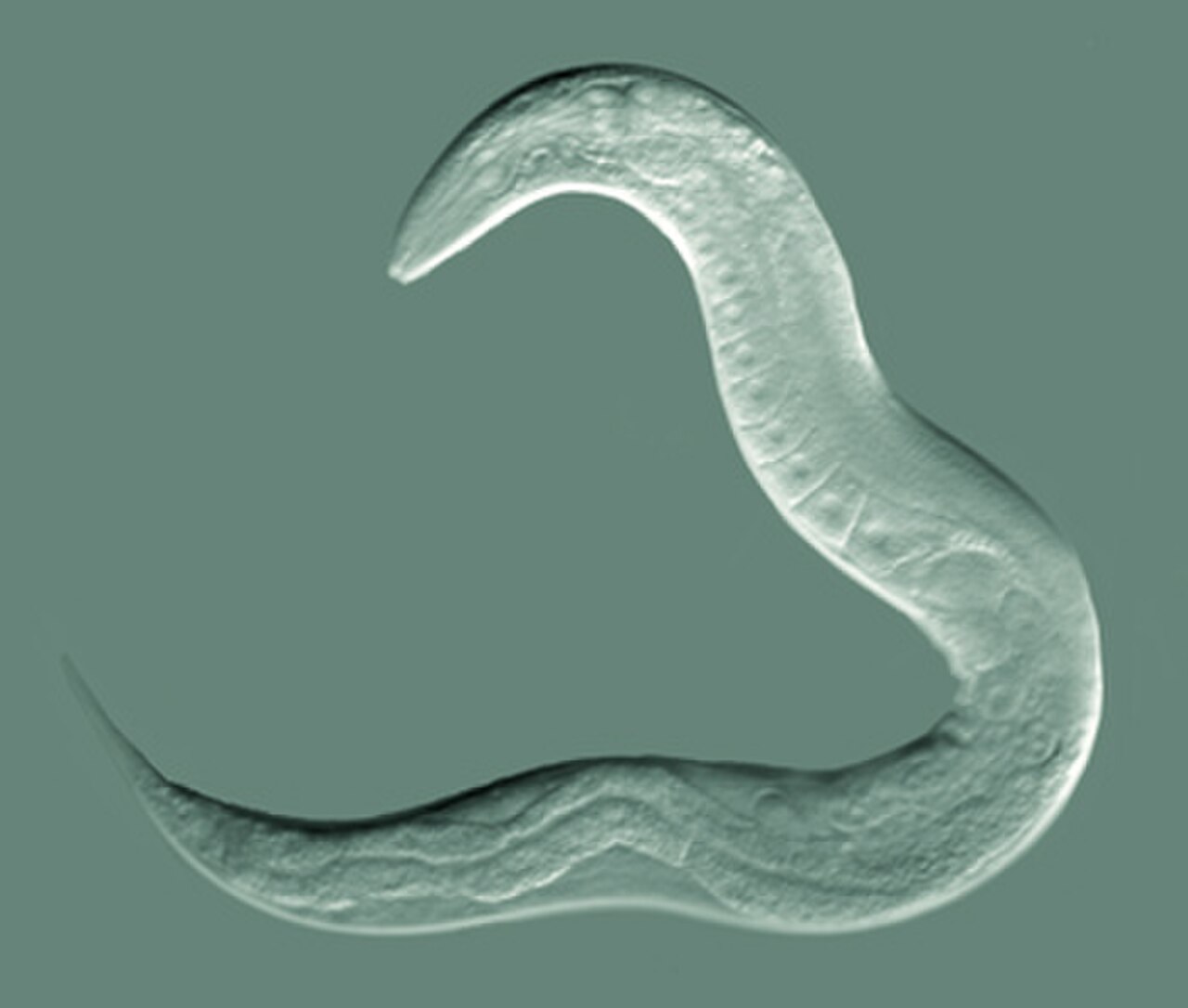
Roundworms, scientifically classified under the phylum Nematoda, are a staggeringly diverse group of invertebrates. Think of them as the planet's microscopic workhorses, often overlooked but fundamentally crucial. These unsegmented, cylindrical worms, also known as nematodes or eelworms, boast an incredible range of habitats, from the deepest ocean trenches to the aridest deserts, and yes, even inside other living organisms. Their sheer ubiquity is a testament to their evolutionary success, making them a cornerstone of nearly every ecosystem on Earth.
🔬 The Unseen Architects: How They Shape Our World
Their role as 'unseen architects' isn't hyperbole; it's a description of their profound ecological impact. In soil, nematodes are voracious consumers of bacteria, fungi, and protozoa, acting as a critical link in nutrient cycling. By breaking down organic matter and releasing essential nutrients like nitrogen and phosphorus, they directly influence plant growth and soil health. Some species even prey on other nematodes, regulating populations and maintaining a delicate balance within the soil food web, a process vital for agricultural productivity.
⚖️ The Good, The Bad, and The Parasitic
The narrative of roundworms isn't entirely benign, however. While many are free-living and beneficial, a significant portion are parasitic. These parasitic nematodes, often referred to as helminths, are responsible for a host of diseases in both plants and animals, including humans. Soil-transmitted helminthiases, for instance, afflict hundreds of millions globally, causing significant morbidity. Understanding this duality is key to appreciating their complex ecological and medical significance, impacting everything from crop yields to public health initiatives.
📈 Vibe Score: Ecosystem Engineers (78/100)
The Vibe Score for Roundworms as Ecosystem Engineers sits at a robust 78/100. This score reflects their undeniable, pervasive influence on nutrient cycling, decomposition, and population regulation across virtually all terrestrial and aquatic environments. While their parasitic tendencies temper the score slightly, their foundational role in maintaining healthy ecosystems, particularly in soil, earns them high marks. They are the silent, microscopic gears that keep the planet's machinery running, a fact often lost in the shadow of more charismatic fauna.
🔍 Where to Find Them (Hint: Everywhere!)
Pinpointing a 'location' for roundworms is like asking where air is – they are virtually everywhere. Their primary domain is the soil, where billions can inhabit a single acre, but they also thrive in freshwater, saltwater, and even extreme environments like hot springs and glaciers. You'll find them in compost heaps, decaying organic matter, and the root systems of plants. For those interested in observing them, a microscope and a soil sample are your best bet for encountering these microscopic marvels.
💡 Fascinating Facts You Won't Forget
Did you know that the nematode Caenorhabditis elegans (C. elegans) was the first multicellular organism to have its entire genome sequenced in 1998? This breakthrough paved the way for significant advances in developmental biology and genetics. Furthermore, some nematodes possess an extraordinary ability to enter a state of suspended animation called cryptobiosis, allowing them to survive extreme conditions like dehydration or freezing for years, only to reanimate when conditions improve.
🤔 The Controversy: Friend or Foe?
The debate surrounding nematodes often centers on their dual nature: beneficial decomposers versus harmful parasites. While the impact of parasitic nematodes on human health and agriculture is undeniable, particularly in regions with poor sanitation, it's crucial not to demonize the entire phylum. The vast majority of nematode species play indispensable roles in maintaining ecosystem health. The challenge lies in distinguishing between beneficial and pathogenic species and developing targeted interventions rather than broad-spectrum eradication efforts.
🚀 The Future of Nematode Research
The future of roundworm research is poised for significant expansion, driven by advancements in genomics, transcriptomics, and bioinformatics. Scientists are increasingly exploring the potential of nematodes in various applications, from biological pest control in agriculture to novel therapeutic targets for human diseases. Understanding their complex interactions with hosts and their environment could unlock new strategies for sustainable agriculture and medicine, further solidifying their status as vital, albeit often unseen, players in our world.
Key Facts
- Year
- 2023
- Origin
- Global
- Category
- Biology
- Type
- Organism
Frequently Asked Questions
Are all roundworms dangerous to humans?
No, absolutely not. While some roundworms are parasitic and can cause diseases like ascariasis or hookworm infection, the vast majority of nematode species are free-living. These free-living nematodes play crucial roles in soil health and nutrient cycling. It's a common misconception to view all roundworms as harmful.
How can I see roundworms?
Since most roundworms are microscopic, you'll need a microscope to observe them. The easiest way is to collect a soil sample from your garden or a park, mix it with a little water, and examine a drop under magnification. You might also find them in decaying organic matter or compost.
What is the most famous roundworm?
The most famous roundworm is undoubtedly Caenorhabditis elegans (C. elegans). This small nematode has been instrumental in biological research, particularly in understanding genetics, development, and aging. Its entire genome was sequenced early on, making it a model organism for countless scientific studies.
How do roundworms contribute to agriculture?
Beneficial nematodes are vital for healthy agriculture. They break down organic matter, releasing nutrients essential for plant growth. Some species are also natural predators of insect pests, offering a form of biological pest control that reduces the need for chemical pesticides. Their role in soil structure and aeration is also significant.
Can roundworms survive extreme conditions?
Yes, many roundworm species exhibit remarkable resilience. Some can enter a dormant state called cryptobiosis, allowing them to survive extreme dehydration, freezing temperatures, or lack of oxygen for extended periods. This adaptability is a key factor in their widespread distribution across diverse environments.
What is the difference between a nematode and a helminth?
Nematode is the scientific classification for the phylum Nematoda, encompassing all roundworms. Helminth is a broader term, often used in medicine and parasitology, to refer to parasitic worms, which includes nematodes, but also cestodes (tapeworms) and trematodes (flukes). So, while all parasitic roundworms are nematodes and helminths, not all nematodes are parasitic helminths.