
Contents
- 🎵 Origins & History
- ⚙️ Core Tenets & Literary Manifestations
- 📊 Key Facts & Numbers
- 👥 Key Figures & Movements
- 🌍 Cultural Impact & Influence
- ⚡ Current State & Legacy
- 🤔 Controversies & Debates
- 🔮 Future Outlook & Predictions
- 💡 Practical Applications
- 📚 Related Topics & Deeper Reading
- Frequently Asked Questions
- References
- Related Topics
Overview
The seeds of literary Romanticism were sown in the fertile ground of late 18th-century Europe, a direct reaction against the prevailing rationalism and order of the Age of Enlightenment. Precursors like Jean-Jacques Rousseau's emphasis on natural goodness and individual feeling, and Johann Wolfgang von Goethe's proto-Romantic novel The Sorrows of Young Werther (1774), signaled a shift in sensibility. The movement truly coalesced in Germany with the Sturm und Drang (Storm and Stress) movement in the 1770s, featuring writers like Friedrich Schiller and Johann Gottfried Herder, who championed emotional intensity and folk traditions. Simultaneously, in England, poets like William Blake and William Wordsworth began articulating a new vision, culminating in the publication of Lyrical Ballads (1798) by Wordsworth and Samuel Taylor Coleridge, often cited as the definitive launch of English Romanticism. This period saw a deliberate rejection of neoclassical restraint, embracing instead the untamed, the passionate, and the deeply personal.
⚙️ Core Tenets & Literary Manifestations
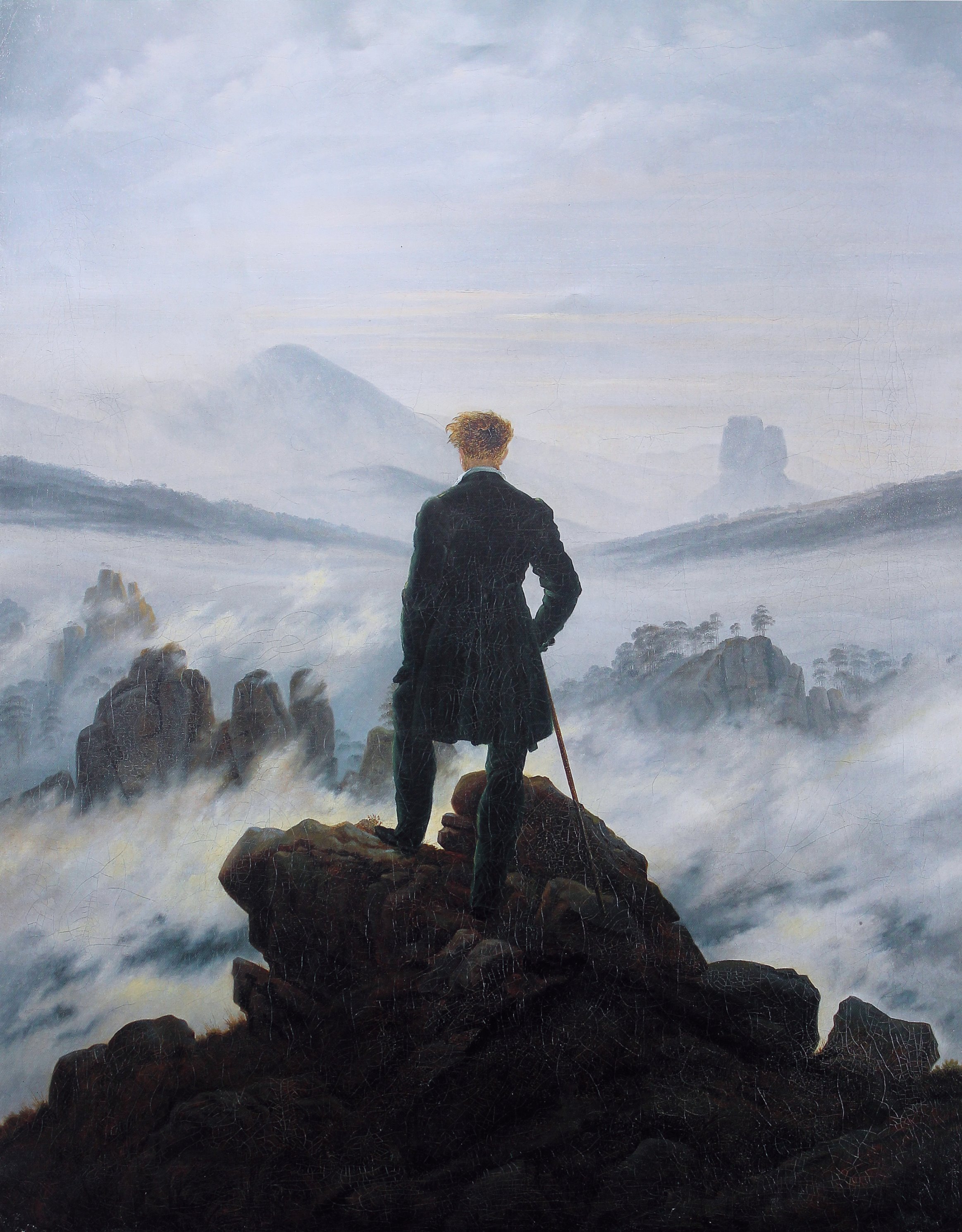
At its heart, literary Romanticism is defined by a profound reverence for the individual's subjective experience. Imagination was elevated above reason, seen as the primary tool for understanding truth and beauty. Nature was not merely a backdrop but a living, breathing entity, a source of spiritual solace and profound inspiration, often depicted in its wild, sublime, or picturesque aspects. Romantics were fascinated by the supernatural, the mysterious, and the exotic, exploring themes of dreams, folklore, and the occult. They idealized the past, particularly the medieval era, as a time of greater authenticity and heroism, and celebrated the common person and their vernacular language. The concept of the solitary genius, the misunderstood artist wrestling with profound emotions, became a central archetype. This focus on the inner life and emotional intensity contrasted sharply with the Enlightenment's emphasis on order, logic, and universal truths.
📊 Key Facts & Numbers
The Romantic era saw an explosion of literary output, with approximately 150,000 poems published in Britain between 1780 and 1830. The first edition of Lyrical Ballads sold out its initial print run of 1,000 copies within weeks. By the 1820s, the average price of a new novel had dropped by nearly 50% compared to the late 18th century, making literature more accessible. The influence of Romanticism is evident in the fact that over 70% of the most frequently anthologized poems in American high school curricula today were written during the Romantic period (roughly 1785-1832). The French Revolution, beginning in 1789, served as a potent political and ideological backdrop, with initial Romantic enthusiasm for liberty gradually giving way to disillusionment and a focus on internal rebellion. The average lifespan of a Romantic poet in England was around 50 years, with many succumbing to illness exacerbated by their often-bohemian lifestyles.
👥 Key Figures & Movements
Key figures like William Wordsworth, Samuel Taylor Coleridge, Lord Byron, Percy Bysshe Shelley, and John Keats defined English Romanticism, each contributing unique voices to the movement's core themes. In Germany, Johann Wolfgang von Goethe's Faust (Part 1, 1808) stands as a monumental work, alongside the poetry of Heinrich Heine and the philosophical writings of Arthur Schopenhauer (though often considered post-Romantic). French Romanticism found its champions in writers like Victor Hugo, whose novel Les Misérables (1862) carries strong Romantic elements, and Alexandre Dumas, père, author of The Three Musketeers (1844). In America, the Transcendentalist movement, with figures like Ralph Waldo Emerson and Henry David Thoreau, shared significant Romantic ideals, particularly their reverence for nature and individualism, as seen in Thoreau's Walden (1854). The Pre-Raphaelite Brotherhood in art, though later, echoed Romantic sensibilities.
🌍 Cultural Impact & Influence
The impact of Romanticism on subsequent literature and culture is immeasurable. It fundamentally shifted the literary landscape, paving the way for movements like Symbolism, Decadence, and Modernism by prioritizing subjective experience and innovative forms. The Romantic fascination with the individual paved the way for the modern concept of celebrity and the artist as a unique, often tortured, genius. Its emphasis on nature influenced environmentalist thought and the development of national parks. The Romantic idealization of the past and folk traditions contributed to the rise of nationalism and the preservation of cultural heritage. The very notion of 'originality' in art, so central to modern aesthetics, owes a significant debt to Romantic ideals. Even contemporary genres like fantasy literature and gothic fiction draw heavily on Romantic tropes and themes.
⚡ Current State & Legacy
While the peak of the Romantic movement waned by the mid-19th century, its spirit endures. Elements of Romanticism continue to manifest in contemporary literature, particularly in genres that explore intense emotion, the supernatural, and the individual's struggle against societal constraints. The digital age, with its emphasis on personal expression and curated online identities, can be seen as a peculiar, technologically mediated echo of Romantic individualism. The ongoing debates about authenticity, emotional truth, and the role of art in society ensure that Romantic ideals remain relevant. The legacy is not static; it's a living current that continues to inform how we understand art, selfhood, and our relationship with the world around us.
🤔 Controversies & Debates
One of the primary controversies surrounding Romanticism is its perceived escapism and rejection of social responsibility. Critics argued that its focus on the individual and the subjective could lead to solipsism and a disengagement from pressing social and political issues, particularly during periods of significant upheaval like the Industrial Revolution. The idealization of the past, especially the medieval era, has been criticized as a nostalgic and inaccurate distortion, ignoring the harsh realities of those times. Furthermore, the Romantic cult of the genius, while inspiring, has been accused of fostering elitism and a disconnect between the artist and the common populace. The very notion of 'sublime' beauty, often linked to overwhelming or even terrifying natural phenomena, raises questions about the aestheticization of danger and suffering.
🔮 Future Outlook & Predictions
The future of Romanticism in literature is less about a resurgence of the historical movement and more about the enduring power of its core impulses. We can anticipate continued exploration of the individual's inner world, especially in an era increasingly dominated by digital interaction and the performance of self. The fascination with nature, amplified by the growing awareness of climate change, will likely see a renewed Romantic engagement with ecological themes, perhaps a 'green Romanticism' that emphasizes stewardship and connection rather than just awe. The exploration of the supernatural and the uncanny will persist, fueled by a cultural appetite for mystery and the unknown. Expect to see a continued blending of Romantic sensibilities with other genres, creating hybrid forms that push the boundaries of literary expression.
💡 Practical Applications
While not a direct 'application' in the industrial sense, Romanticism's principles are deeply embedded in various cultural and artistic practices. The emphasis on originality and individual expression is fundamental to modern art and design, influencing everything from graphic design to fashion. The Romantic idealization of nature underpins much of the modern environmental movement and the appreciation for wilderness and conservation. The exploration of intense emotion and psychological depth in Romantic literature laid the groundwork for modern psychology and therapeutic approaches that value introspection. The concept of the artist as a visionary or prophet, a Romantic trope, continues to shape our perception of creative individuals across all fields, from music to filmmaking.
Key Facts
- Year
- Late 18th - Mid 19th Century
- Origin
- Europe
- Category
- culture
- Type
- movement
Frequently Asked Questions
What is the core difference between Romanticism and the Enlightenment?
The Enlightenment prioritized reason, logic, and empirical observation, seeking universal truths through scientific inquiry and societal order. Romanticism, conversely, championed emotion, imagination, intuition, and individual subjective experience as the primary means of understanding the world and truth. While the Enlightenment sought to control and understand nature through reason, Romanticism revered nature as a powerful, often untamed, spiritual force. This fundamental divergence in epistemology and values defined the shift from one era to the next, with Romanticism often seen as a passionate rebellion against Enlightenment austerity.
What are the main themes found in Romantic literature?
Key themes include the power of imagination and emotion, the sublime and spiritual aspects of nature, the celebration of the individual and subjective experience, fascination with the supernatural, the exotic, and the mysterious, and an idealization of the past (particularly the medieval period) as a more authentic era. There's also a strong emphasis on rebellion against societal conventions, the exploration of intense personal feelings like love, loss, and melancholy, and the archetype of the solitary, misunderstood genius. These themes often intertwine, creating rich narratives that delve into the depths of human consciousness and its relationship with the external world.
Who are considered the most important Romantic writers?
In English literature, the titans include William Wordsworth, Samuel Taylor Coleridge, Lord Byron, Percy Bysshe Shelley, and John Keats. William Blake is also crucial for his unique visionary poetry. In German literature, Johann Wolfgang von Goethe is paramount, with Friedrich Schiller and Heinrich Heine also significant. For French Romanticism, Victor Hugo and Alexandre Dumas, père are key figures. American Romanticism, particularly through Transcendentalism, is represented by Ralph Waldo Emerson and Henry David Thoreau. Each contributed distinct voices and perspectives to the movement's broad spectrum.
How did Romanticism influence later literary movements?
Romanticism's emphasis on individualism, subjective experience, and emotional intensity laid the groundwork for many subsequent literary developments. It directly influenced Symbolism and the Decadent movement, which further explored subjective states and aestheticism. Its focus on the inner life and psychological complexity contributed to the rise of Modernism and its experimental forms. The Romantic fascination with the supernatural and the exotic continues to thrive in genres like gothic fiction and fantasy literature. Furthermore, its championing of originality and the artist as a unique visionary profoundly shaped modern conceptions of creativity and artistic value.
Was Romanticism a purely European phenomenon?
While Romanticism originated in Europe, its influence and parallel developments spread globally. In America, the Transcendentalism movement, led by figures like Ralph Waldo Emerson and Henry David Thoreau, shared many core Romantic ideals, particularly concerning nature and individualism, though it developed its own distinct character. Latin American literature also saw Romantic influences, often intertwined with nationalist sentiments and explorations of indigenous cultures, with writers like José de Espronceda in Spain and José Martí in Cuba showing Romantic traits. The movement's core ideas about emotion, nature, and the individual resonated across diverse cultures, adapting to local contexts and contributing to unique national literary traditions.
What is the 'sublime' in Romantic literature?
The 'sublime' in Romanticism refers to an aesthetic experience that evokes awe, terror, and a sense of overwhelming power, often associated with vast, untamed natural landscapes like towering mountains, stormy seas, or infinite skies. It's an experience that transcends mere beauty, touching upon the infinite and the terrifying, making the observer feel small yet profoundly connected to something immense and powerful. Think of Edmund Burke's philosophical explorations of the sublime, which deeply influenced Romantic writers. This concept allowed writers to explore the limits of human perception and emotion, contrasting the finite human self with the infinite power of nature or the divine, often leading to profound spiritual or existential insights.
How did the Industrial Revolution impact Romanticism?
The Industrial Revolution was a major catalyst for Romanticism, serving as a primary target for its critique. Romantics viewed the rapid industrialization, urbanization, and mechanization with deep suspicion, seeing it as a dehumanizing force that alienated individuals from nature, traditional life, and their own authentic emotions. They lamented the destruction of the natural world, the exploitation of labor, and the rise of a materialistic, rationalistic society. This opposition fueled their idealization of nature, rural life, and the pre-industrial past, making their advocacy for emotion and imagination a direct counter-argument to the perceived cold, logical, and destructive progress of industrial society.