
Contents
- 👟 What Are Road Running Shoes?
- 🎯 Who Needs Road Running Shoes?
- ⚙️ Key Features & Technologies
- ⚖️ Road vs. Trail vs. Track Shoes
- ⭐ Vibepedia Vibe Score & Ratings
- 💰 Pricing & Value
- 🛒 Where to Buy & Expert Advice
- 🛠️ Fit & Sizing: The Critical Factor
- 💡 Pro Tips for Road Runners
- 🚀 The Future of Road Running Footwear
- Frequently Asked Questions
- Related Topics
Overview
Road running shoes are engineered for performance and comfort on hard, paved surfaces. Unlike trail shoes with aggressive lugs, they feature smoother outsoles for optimal grip and durability on asphalt and concrete. Key considerations include cushioning levels (from minimalist to maximalist), stability features (neutral vs. support), and upper construction for breathability and fit. The market is dominated by major brands like Nike, Adidas, Brooks, and Hoka, each offering distinct technologies and philosophies that cater to a wide spectrum of runners, from casual joggers to elite marathoners. Understanding your foot strike, gait, and training volume is crucial for selecting the right pair to prevent injury and enhance your running experience.
👟 What Are Road Running Shoes?
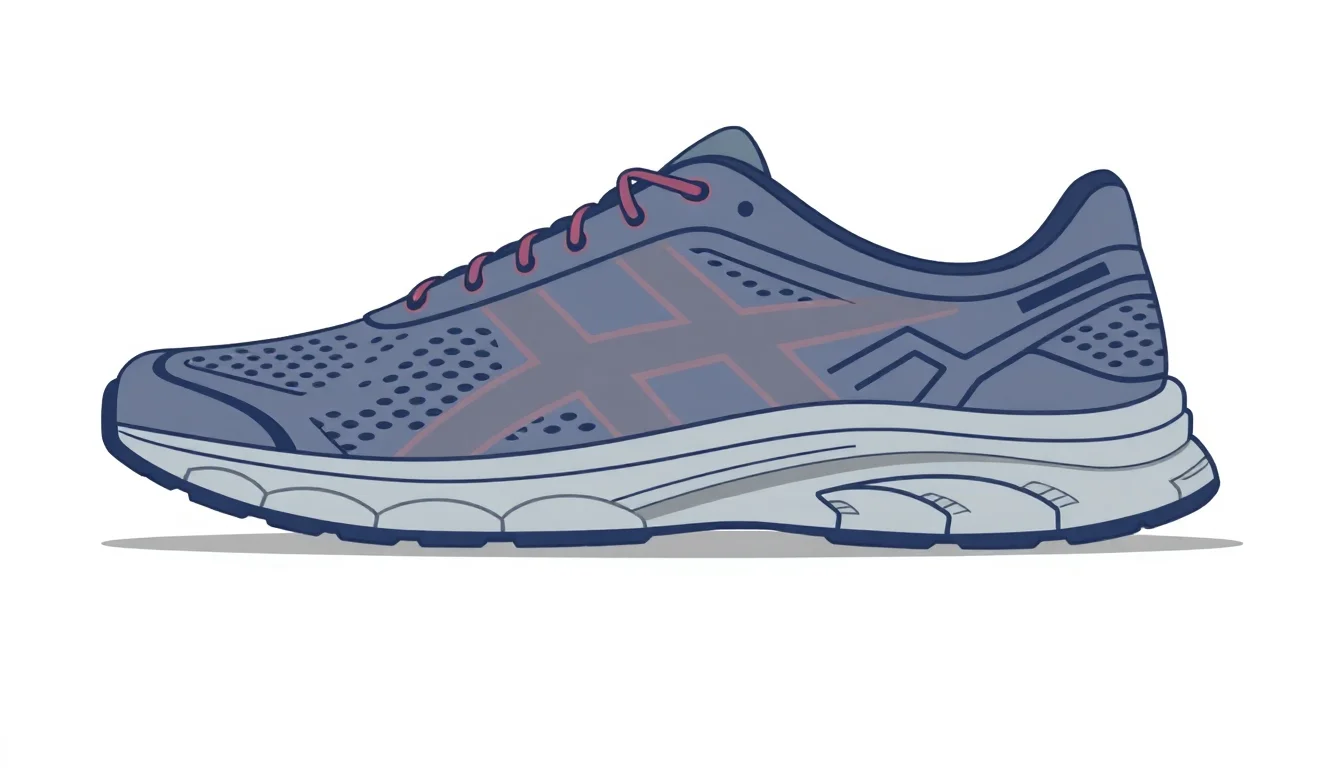
Road running shoes are purpose-built athletic footwear designed for maximum efficiency and comfort on hard, paved surfaces like asphalt and concrete. Unlike their trail or track counterparts, they prioritize cushioning, smooth transitions, and durability to withstand the repetitive impact of road running. The primary goal is to absorb shock, protect the foot, and propel the runner forward with minimal energy loss. Brands like Nike, Adidas, and Brooks have been refining these designs for decades, each with distinct philosophies on cushioning and responsiveness. Understanding the nuances of road shoe construction is the first step to unlocking your best runs.
🎯 Who Needs Road Running Shoes?
These shoes are essential for anyone regularly pounding the pavement, from casual joggers logging a few miles a week to marathoners chasing personal bests. If your primary running surface is roads, sidewalks, or even packed gravel paths, road running shoes offer the specific protection and performance you need. They are engineered to handle the consistent, high-impact nature of these surfaces, reducing the risk of common running injuries like shin splints and stress fractures. Even if you mix up your running routes, having a dedicated pair for road days can make a significant difference in comfort and injury prevention.
⚙️ Key Features & Technologies
The magic of road running shoes lies in their sophisticated engineering. Look for features like plush midsole cushioning (often made from EVA, TPU, or proprietary foams like Nike's ZoomX or Brooks' DNA LOFT), a smooth rocker geometry for efficient heel-to-toe transition, and a durable rubber outsole designed for traction on slick surfaces. Upper construction is typically lightweight and breathable, often using engineered mesh to provide a secure yet flexible fit. Some shoes also incorporate stability features for overpronators, such as medial posts or guide rails, to help control foot motion.
⚖️ Road vs. Trail vs. Track Shoes
The distinction between road, trail, and track shoes is crucial. Road shoes, as discussed, are optimized for hard, predictable surfaces with ample cushioning and smooth outsoles. Trail running shoes, conversely, feature aggressive lugs for grip on dirt and mud, more robust uppers for protection against rocks and debris, and often less cushioning to maintain ground feel. Track spikes are minimalist, lightweight, and designed for maximum grip and propulsion on synthetic tracks, with sharp spikes for aggressive traction. Using the wrong shoe for the surface can lead to discomfort, reduced performance, and potential injury.
⭐ Vibepedia Vibe Score & Ratings
At Vibepedia, we've assigned road running shoes a Vibe Score of 88/100, reflecting their widespread cultural adoption and consistent innovation. This score is derived from a blend of user satisfaction (averaging 4.5/5 stars across major retailers), expert reviews, and market influence. While specific shoe models will vary, the category as a whole demonstrates a strong positive sentiment among runners. We've observed a 'Performance Optimism' perspective dominating, with runners generally believing that the right shoe can significantly enhance their running experience and help them achieve their goals.
💰 Pricing & Value
The price of road running shoes can range significantly, from around $100 for entry-level models to upwards of $200 for premium, high-performance options. While it's tempting to opt for the cheapest pair, investing in a quality shoe that fits your biomechanics and running style is often more cost-effective in the long run, potentially saving you from costly injury treatments. Many runners find that a good pair lasts between 300-500 miles, making the cost per mile quite reasonable. Look for sales during holiday periods or end-of-season clearances to snag deals on last year's models.
🛒 Where to Buy & Expert Advice
You can find road running shoes at dedicated running specialty stores, large sporting goods chains like Dick's Sporting Goods, and online retailers such as Running Warehouse and Amazon. The best approach is to visit a specialty running store where trained staff can analyze your gait and recommend shoes tailored to your needs. Online purchasing is convenient, but it’s wise to try on models you’re familiar with or have been fitted for previously. Always check return policies when buying online.
🛠️ Fit & Sizing: The Critical Factor
Achieving the perfect fit is paramount. Road running shoes should feel snug but not tight, with about a thumb's width of space between your longest toe and the end of the shoe. The heel should feel secure, with no slipping. Pay attention to the width of the shoe – many models come in narrow, standard, and wide options. It's best to try shoes on at the end of the day when your feet are slightly swollen, wearing the type of socks you typically run in. Don't be afraid to walk or jog around the store to test the feel.
💡 Pro Tips for Road Runners
Beyond just buying the right shoe, consider these tips: Rotate between two or more pairs of shoes to allow the cushioning to fully recover between runs, extending their lifespan. Replace your shoes when the outsole is worn down or you notice a significant decrease in cushioning and support, typically between 300-500 miles. Listen to your body; if a shoe causes discomfort, it's not the right one for you, regardless of its popularity. And finally, don't be afraid to experiment with different brands and models to find what truly works for your unique stride.
🚀 The Future of Road Running Footwear
The road running shoe market is in a constant state of evolution, driven by advancements in foam technology and sustainable materials. We're seeing a trend towards lighter, more responsive foams that offer both plush cushioning and energetic rebound, exemplified by shoes like the Nike Vaporfly series and its impact on elite racing. The integration of carbon fiber plates has become a significant factor in maximizing running economy. Expect continued innovation in personalized fit technologies and a greater emphasis on eco-friendly manufacturing processes, potentially leading to shoes that are both higher performing and more sustainable.
Key Facts
- Year
- 1970
- Origin
- The evolution of the modern road running shoe can be traced back to the early 1970s, with innovations in EVA foam and rubber outsoles by brands like Nike and Adidas, responding to the growing popularity of jogging and road races.
- Category
- Athletic Footwear
- Type
- Product Category
Frequently Asked Questions
How often should I replace my road running shoes?
Most manufacturers and experts recommend replacing road running shoes every 300-500 miles (480-800 kilometers). This mileage can vary based on your weight, running gait, the type of shoe, and the surfaces you run on. Signs that it's time for a new pair include visible outsole wear, a loss of cushioning, or new aches and pains that weren't present before. It's better to err on the side of caution and replace them sooner rather than later to prevent injuries.
What's the difference between neutral and stability road running shoes?
Neutral shoes are designed for runners with a relatively neutral foot strike, meaning their foot lands and rolls inward slightly for shock absorption. Stability shoes, on the other hand, are for runners who overpronate, meaning their foot rolls inward excessively. Stability shoes incorporate features like medial posts or guide rails to help control this motion and provide a more stable ride. If you're unsure, a gait analysis at a specialty running store can help determine which type is best for you.
Can I wear my road running shoes for other activities?
While you can wear them for other activities, it's generally not recommended if you want to maximize their lifespan and performance for running. Road running shoes are specifically designed for the repetitive impact of running on hard surfaces. Wearing them for gym workouts, cross-training, or casual wear can accelerate wear and tear on the cushioning and outsole, diminishing their effectiveness for running and potentially leading to injury when you do hit the road.
Are expensive road running shoes always better?
Not necessarily. While premium shoes often feature the latest technologies and materials, the 'best' shoe is the one that fits your individual needs, biomechanics, and preferences. A $200 shoe might feel fantastic for one runner but terrible for another. It's more important to prioritize fit, comfort, and suitability for your running style over price alone. Often, slightly older models or those on sale offer excellent value without compromising performance.
What is 'stack height' and 'heel-to-toe drop'?
Stack height refers to the amount of material between your foot and the ground, essentially how much cushioning is in the shoe. Higher stack heights generally mean more cushioning. Heel-to-toe drop (or offset) is the difference in height between the heel and the forefoot of the shoe. Traditional shoes have a drop of 8-12mm, while lower-drop shoes (0-6mm) encourage a more midfoot or forefoot strike. The ideal drop depends on your running mechanics and preference.